Acid Reflux: Foods That Harm
The right dietary choices are crucial in managing acid reflux, yet certain foods can significantly undermine these efforts. Here, focus shifts to identifying common vegan-friendly foods that may, unfortunately, aggravate the symptoms of acid reflux.
Alcohol

Alcohol is known to have a relaxing effect on the lower esophageal sphincter, the valve that keeps stomach acid from rising up into the esophagus, making it a potential trigger for acid reflux episodes. Even when selecting vegan-friendly alcoholic beverages, moderation is key, as their consumption can lead to increased stomach acidity and reflux symptoms. Alternatives such as non-alcoholic mocktails or herbal teas can provide enjoyable beverage options without the adverse effects on acid reflux.
Additionally, staying well-hydrated with water and infused drinks can help minimize the risk of reflux, supporting overall digestive health while aligning with vegan dietary preferences. It is also important to note that alcohol can interfere with the absorption of nutrients from other foods, further emphasizing the need for careful consideration when included in a diet for those with acid reflux.
Citrus Fruits
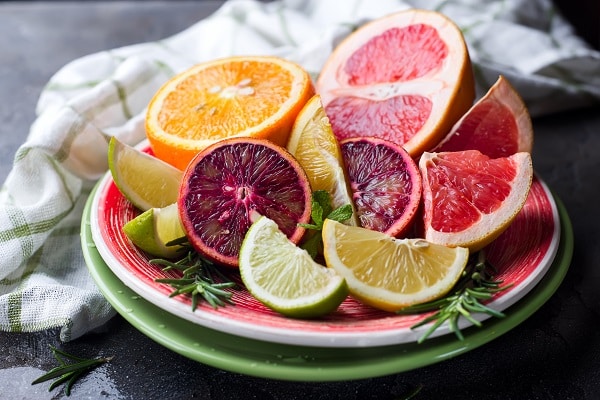
Despite their nutritional benefits, citrus fruits like oranges, grapefruits, and lemons have high levels of citric acid, which can be a major exacerbating factor for individuals with acid reflux. The acidity can irritate the esophagus, leading to discomfort and the familiar burning sensation. However, obtaining vitamin C is crucial, especially in a vegan diet, so finding alternative sources is essential.
Foods such as bell peppers, kale, and strawberries offer high vitamin C content without the high acidity. For those who enjoy the tangy flavor that citrus provides, it’s recommended to consume these fruits in moderation and to pair them with less acidic foods to balance the meal.
Coffee

Coffee, a beloved beverage by many, can pose a problem for acid reflux due to its caffeine content which may relax the lower esophageal sphincter. This relaxation can allow stomach acid to escape into the esophagus and cause reflux symptoms. Decaffeinated coffee can be a viable alternative, although it still contains some compounds that can trigger acid reflux in sensitive individuals.
It is often beneficial to trial periods without coffee to determine if symptoms improve. Additionally, herbal teas or chicory root coffee can offer a comforting warmth and ritual without the negative effects on acid reflux, aligning well with a vegan diet and lifestyle.
Fried Foods
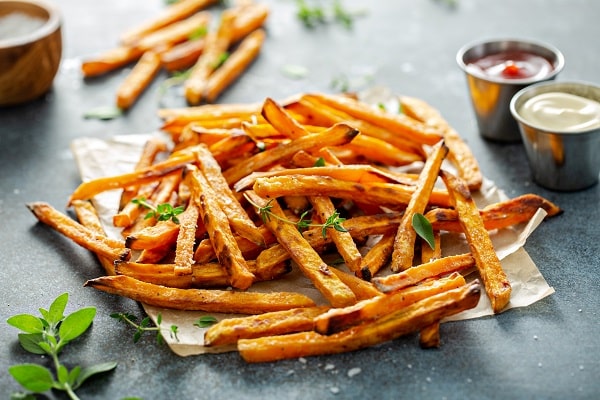
Fried foods, even those that are vegan, are typically high in fat and can aggravate acid reflux by delaying stomach emptying and increasing pressure within the stomach. This can result in an increased chance of stomach acid making its way back into the esophagus. Adopting cooking methods such as baking, steaming, or grilling can greatly reduce the intake of excessive fats and help maintain a healthy digestive system.
Plant-based diets rich in whole foods offer a plethora of options that are both delicious and beneficial for acid reflux sufferers. Foods like tempeh, tofu, and a variety of legumes can provide ample protein while also being conducive to good digestive health when prepared using these alternative cooking methods.
The Bottom Line
In conclusion, effectively managing acid reflux within a vegan diet involves careful consideration of both the foods that can soothe symptoms and those that may trigger them. By embracing foods like oatmeal, alkaline vegetables, ginger, and melons, one can craft a dietary strategy that not only mitigates the discomfort of acid reflux but also provides comprehensive nutritional benefits. Conversely, staying mindful of the potential adverse effects of items such as alcohol, citrus fruits, coffee, and fried foods is paramount. With the right balance, it is entirely possible to enjoy a rich and varied vegan diet that supports both the joy of eating and the wellness of the digestive system.