

Probiotics are becoming increasingly essential in the discourse surrounding health and wellness, especially concerning digestive health. These beneficial bacteria are not just a trend but are backed by science to improve gut flora and overall digestive function. This article will explore what probiotics are, delve into their benefits for digestive health, and discuss how to incorporate them effectively into your diet. By understanding the fundamental roles these microorganisms play, you can make informed decisions about enhancing your digestive health through probiotics.
What Are Probiotics?
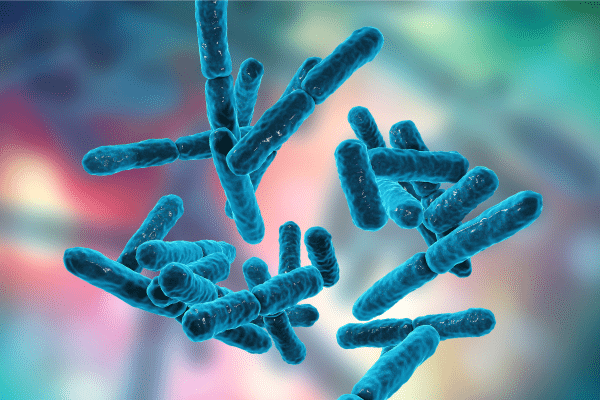
Probiotics are live microorganisms, primarily bacteria and yeasts that provide health benefits when consumed in adequate amounts. Commonly recognized strains include Lactobacillus, Bifidobacterium, and Saccharomyces. These organisms are similar to the beneficial microorganisms naturally found in the human gut, especially in the digestive tract. Probiotics are often referred to as “good” or “helpful” bacteria because they help maintain the gut’s health by supporting immune function and controlling inflammation.
Various sources offer probiotics, including dietary supplements and traditionally fermented foods. Yogurt, kefir, sauerkraut, and kombucha are just a few examples of foods rich in probiotics. The effectiveness of probiotics can depend on several factors, including the type and quantity of bacteria present. Thus, understanding the different types and sources of probiotics can help individuals choose the most suitable option for their health needs.
The Science Behind Probiotics and Digestion
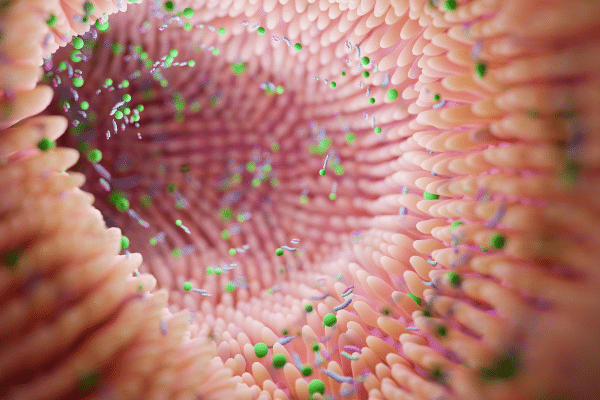
Probiotics contribute to a balanced gut microbiota, crucial for proper digestion and absorption of nutrients. By interacting with gut flora, they can enhance the intestinal barrier, compete with harmful pathogens, and modulate the immune system. Scientific studies suggest that a healthy balance of gut bacteria facilitated by probiotics can prevent and even treat some digestive issues, such as irritable bowel syndrome (IBS) and antibiotic-associated diarrhea.
The mechanisms through which probiotics work are complex and involve a wide range of biological interactions. For instance, they can produce substances that have antimicrobial properties or compete for nutrients that harmful pathogens would otherwise use to survive. Probiotics also play a role in the synthesis of vitamins and digestion of fibrous components that the human stomach cannot digest alone. The expanding body of research continues to support the integration of probiotics into daily diets for optimal digestive health.
Benefits of Probiotics for Digestive Health
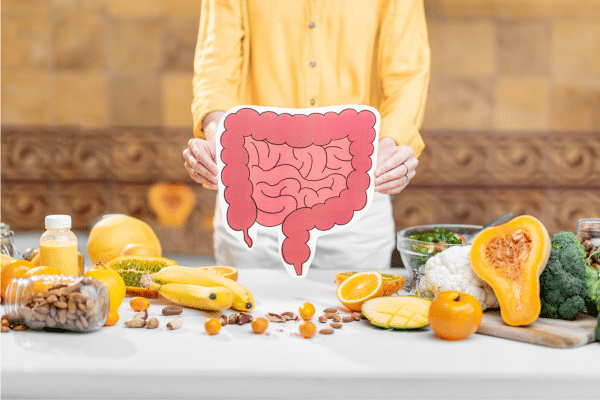
Probiotics are renowned for their role in enhancing digestive health and managing gastrointestinal symptoms. They are particularly effective in treating and managing symptoms of bloating, constipation, and irritable bowel syndrome (IBS). These benefits are primarily attributed to their ability to restore the natural balance of gut bacteria, which can be disrupted by factors like poor diet, stress, and antibiotic use.
Moreover, probiotics have shown promise in managing more severe conditions such as Crohn’s disease and ulcerative colitis, which are types of inflammatory bowel disease (IBD). While they are not a cure, probiotics can significantly reduce the symptoms of these disorders by modulating immune responses and reducing inflammation within the gut. Their use in clinical settings continues to grow as more becomes known about their capabilities and benefits in digestive health management.
Probiotics and Gut-Brain Connection

The connection between the gut and brain, known as the gut-brain axis, is a complex network that links the emotional and cognitive centers of the brain with peripheral intestinal functions. Probiotics influence this connection by producing and facilitating neurotransmitters and other chemicals that play a key role in mental health. For example, certain probiotics can produce serotonin, which is predominantly found in the gastrointestinal tract and is crucial for mood regulation. The potential of probiotics to impact mental well-being is a fascinating area of study that has seen considerable interest in recent years.
Emerging research suggests that probiotics may help manage symptoms of psychological stress, anxiety, and depression. These effects are mediated through the gut-brain axis, providing a non-pharmacological approach to mental health issues. Additionally, probiotics can enhance the resilience of the gut microbiota, which in turn supports a healthier response to stress and anxiety. While more research is needed to establish definitive conclusions, the current findings are promising for those looking for holistic approaches to mental health.