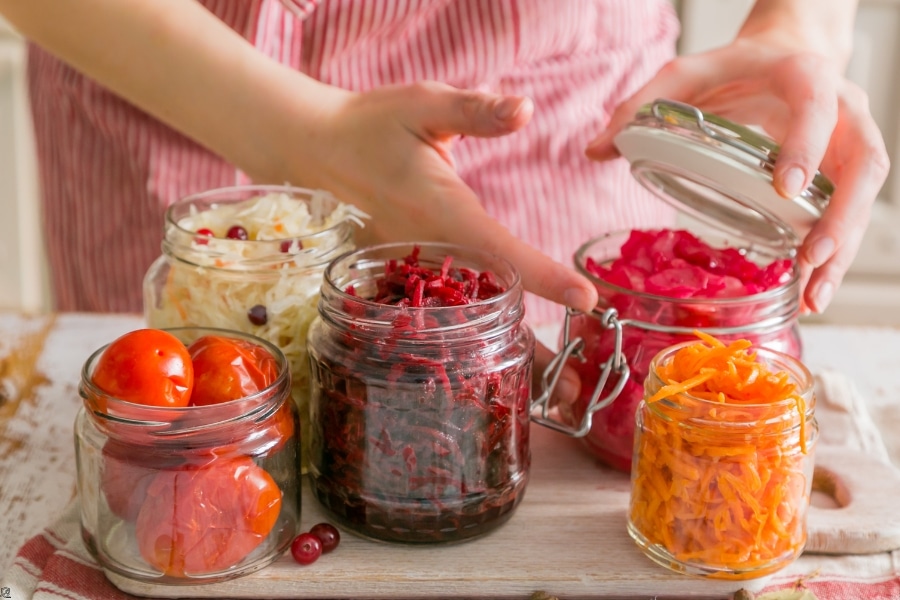

Acid reflux, characterized by the uncomfortable ascent of stomach acid into the esophagus, can disrupt daily life with its persistent symptoms. For individuals following a vegan lifestyle, navigating dietary choices to manage this condition presents unique challenges. This article delves into the world of vegan-friendly foods that not only soothe the symptoms of acid reflux but also contribute to overall health. It will also highlight common vegan foods that could exacerbate the condition, empowering readers with the knowledge to make informed dietary decisions.
Acid Reflux: Foods That Help
Certain foods can serve as a calming balm for the irritated esophageal lining, offering relief from the fiery grip of acid reflux. The following sections will explore vegan foods that are not only kind to the digestive system but also contribute to a balanced and healthful diet.
Oatmeal
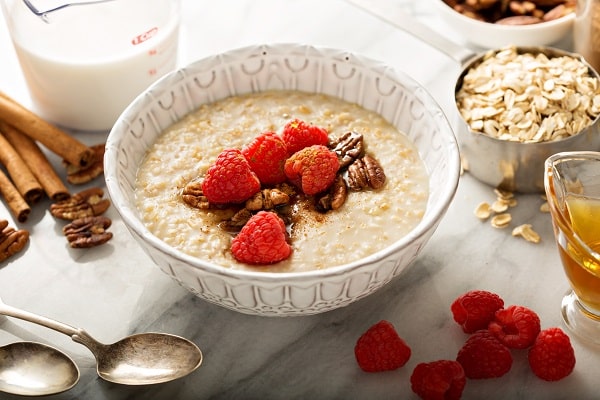
A comforting bowl of oatmeal is more than just a vegan breakfast staple; it is a powerful ally against acid reflux. The soluble fiber in oatmeal absorbs stomach acid, reducing symptoms and providing a lengthy sensation of fullness, which helps prevent overeating—a common trigger for acid reflux.
Additionally, oatmeal’s versatility allows for numerous preparations, from savory to sweet, ensuring it can cater to diverse tastes while keeping acid reflux at bay. It can serve as a blank canvas for a variety of toppings, from almond milk to fresh berries, allowing it to fit seamlessly into a vegan diet without compromising on flavor or nutritional value.
Alkaline Vegetables
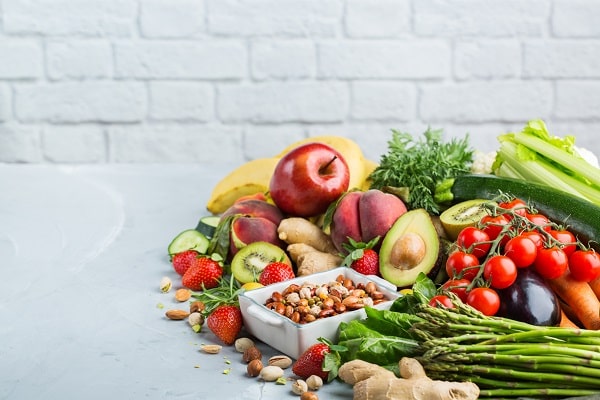
Alkaline vegetables are a cornerstone of a diet designed to quell acid reflux symptoms. Their ability to neutralize stomach acid makes them an excellent choice for those struggling with this condition. Vegetables such as broccoli, cucumbers, and leafy greens like kale are not only low in acid but are also rich in magnesium, a mineral that has been linked with better digestion and improved gut health.
These vegetables can be enjoyed raw in salads, steamed, or blended into smoothies, providing flexibility and variety in a vegan diet. Including a broad spectrum of alkaline vegetables ensures that meals are not just conducive to reducing acid reflux symptoms but are also packed with essential nutrients and antioxidants.
Ginger
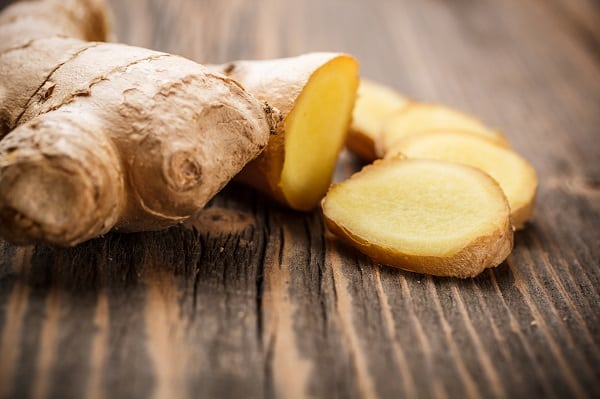
Ginger, with its potent anti-inflammatory properties, stands out as a culinary root that doubles as a medicinal powerhouse, especially in combating acid reflux. Its natural ability to soothe the stomach lining makes it a favorable addition to any acid reflux diet. By incorporating ginger into daily meals, whether through freshly brewed teas, stews, or stir-fries, it can provide a protective effect against gastrointestinal irritation.
Ginger’s versatility also allows it to be a flavorful addition to smoothies and desserts, offering a zesty kick that complements the natural sweetness of fruits and other vegan ingredients. Beyond its benefits for acid reflux, ginger is celebrated for its potential to alleviate nausea and improve overall digestive health, making it a valuable component of a holistic vegan lifestyle.
Melons
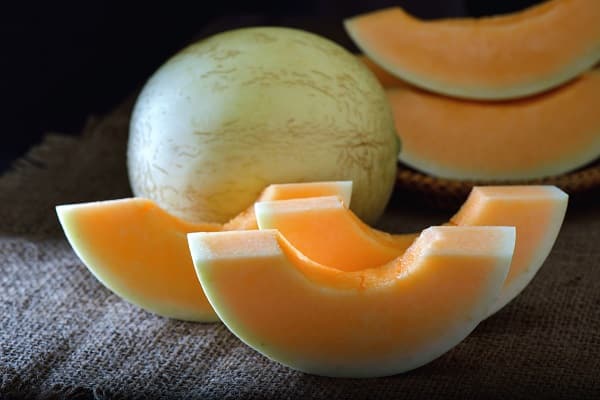
Melons such as watermelon, cantaloupe, and honeydew present a refreshing and hydrating solution for those dealing with acid reflux. Their high water content and low acidity make them an ideal choice for maintaining hydration without triggering symptoms. Melons can be enjoyed on their own as a sweet treat or blended into smoothies for a nutrient-dense beverage.
Also, integrating melons into a morning fruit salad or using them as a base for a chilled soup can add both variety and relief to a vegan diet. This fruit group is also a good source of magnesium, a mineral that has been associated with improved digestive health and a reduction in acid reflux occurrences.