
Fermented foods have carved a niche in various cultures worldwide, revered not only for their unique flavors but also for their health benefits. In vegan diets, these foods are particularly crucial as they provide essential nutrients that are harder to obtain from plant-based sources alone. This article delves into the world of fermented vegan foods, highlighting their importance for gut health and beyond, offering insights into how these ancient practices can enhance modern eating habits.
Understanding Fermentation

Fermentation is a metabolic process where natural bacteria feed on sugars and starch in food, creating acid, alcohol, and gases. This ancient technique not only preserves foods but also enhances their nutritional value and flavor. Different methods, such as lacto-fermentation, are employed to produce a variety of fermented goods, each with unique characteristics. These methods have been pivotal in human nutrition for thousands of years, providing a bridge between culinary tradition and nutritional science.
The application of fermentation to vegan ingredients can transform their digestibility and nutritional profile. For instance, fermenting soybeans to make tempeh significantly increases their protein quality and vitamin content. Similarly, fermenting oatmeal can enhance its bioavailability of minerals, making it a heartier and more beneficial meal. Understanding these processes is essential for anyone looking to improve their diet through fermented foods.
Essential Fermented Vegan Foods
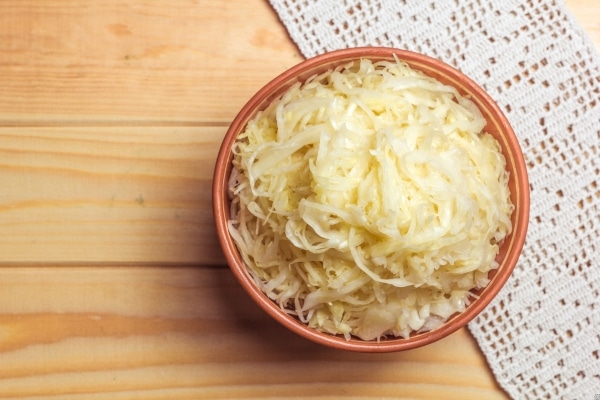
Sauerkraut is a simple yet potent fermented food, made from just cabbage and salt. It is rich in vitamins C and K, and its live cultures can help improve digestive health. Kimchi, although traditionally made with fish sauce, can be adapted for a vegan diet by substituting seaweed or miso paste, which maintains its health benefits and distinctive taste. These foods not only offer health advantages but also introduce exciting flavors to a vegan regimen.
Kombucha and tempeh represent two other pivotal fermented products in vegan diets. Kombucha, a fermented tea, provides a fizzy, sweet-sour drink loaded with probiotics, while tempeh offers a meaty texture with enhanced nutritional benefits, making it a favorite protein source among vegans. Incorporating these foods into daily meals can significantly enhance flavor diversity and nutritional content, encouraging a more satisfying and healthful eating experience.
Nutritional Benefits of Fermented Foods

The fermentation process breaks down complex food compounds, making them easier to digest. For instance, the hard-to-digest lactose in milk is converted into simpler sugars such as glucose and galactose through fermentation. This makes the food lighter on the stomach and helps in the efficient absorption of nutrients. Fermented foods are thus excellent for improving digestion and preventing common gastrointestinal issues like bloating and indigestion.
Moreover, fermentation enhances the nutrient availability in foods. Vitamins such as B and K are often increased in fermented foods, which are crucial for energy metabolism and blood clotting, respectively. The presence of probiotics in these foods helps maintain a healthy gut flora, which is vital for proper digestion and nutrient absorption. This makes fermented foods incredibly beneficial, particularly for individuals on strict diets like veganism where nutrient sources are limited.
Integrating Fermented Foods in Vegan Meals

Introducing fermented foods into your breakfast can be as simple as adding a spoonful of sauerkraut to your avocado toast or blending a shot of kombucha into your morning smoothie. These additions enhance the flavor profile of your meals and boost your nutrient intake right from the start of the day. Such integrations ensure that you receive a steady supply of probiotics and other beneficial nutrients throughout your day.
For lunch and dinner, incorporating tempeh into your dishes can add both texture and a nutritional punch. Experimenting with kimchi in your salads or using miso as a base for soups can diversify your meal plans while packing them with flavors that are both robust and satisfying. These fermented components can transform a simple vegan meal into a complex, nutrient-rich feast that supports overall health and wellness.