
The Science of Fermentation and Gut Health
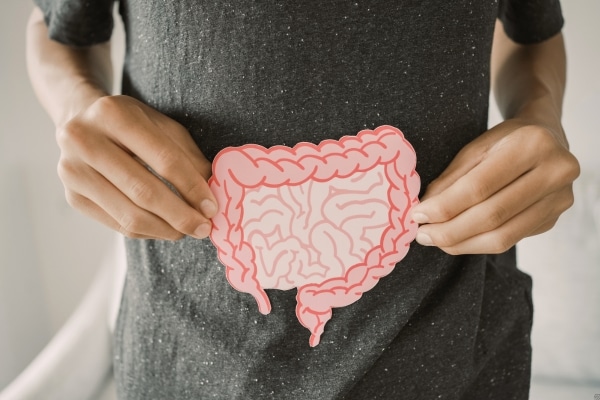
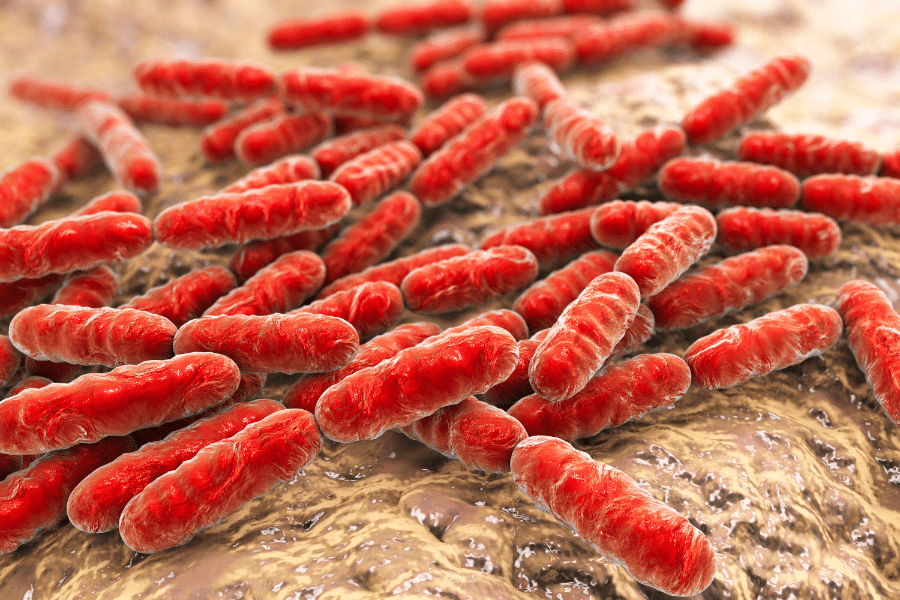
Fermented foods significantly impact gut health by enhancing the microbiome, the community of beneficial bacteria in the digestive system. The probiotics found in foods like sauerkraut and kombucha help populate the gut with healthy bacteria, which aid in digestion and bolster the immune system. This introduction of beneficial bacteria can help mitigate common digestive disorders, such as irritable bowel syndrome and inflammatory bowel disease, making fermented foods a key component in maintaining gut health.
Moreover, the fermentation process produces compounds that can boost the immune system. Short-chain fatty acids, produced when probiotics ferment fiber in the colon, have been shown to strengthen gut barriers, reduce inflammation, and lower the risk of chronic diseases. The role of a well-maintained gut microbiome extends beyond digestion—it also significantly influences immune responses and overall health, underscoring the importance of including fermented foods in one’s diet.
DIY Fermentation Techniques
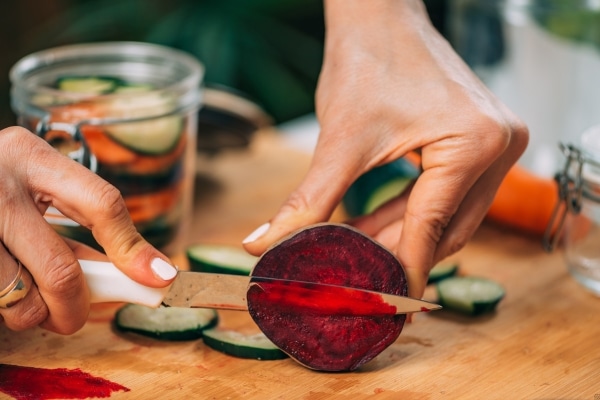
Starting with fermentation at home can be a rewarding endeavor, allowing for customization and control over the ingredients and fermentation levels. Basic foods like vegetables, fruits, and nuts can be transformed into probiotic powerhouses with just a few simple tools and ingredients, such as salt, water, and a clean jar. For beginners, sauerkraut is an excellent starting point because of its simple recipe and the minimal equipment required. This hands-on experience not only provides delicious results but also imparts a deeper understanding of food science.
Safety is paramount when fermenting at home. It’s crucial to ensure all containers and tools are sterilized to prevent unwanted bacteria from spoiling the food. Keeping the fermentation environment anaerobic (without oxygen) is key to avoiding mold growth. If problems like mold or an off-putting smell occur, knowing how to troubleshoot can save a batch or prevent future issues. Learning these techniques ensures that the fermentation process is both safe and successful, providing plentiful health benefits and a satisfying culinary hobby.
The Future of Fermentation in Vegan Diets

As vegan diets continue to grow in popularity, the role of fermentation in culinary innovation expands. Fermented foods are becoming staples in vegan cuisine due to their health benefits and their ability to mimic flavors and textures that are typically associated with non-vegan foods. For instance, fermented nuts can take on a cheesiness that makes vegan cheese more palatable to those used to dairy cheese. Innovations like these are crucial for making vegan diets more diverse and enjoyable.
Sustainability is another crucial aspect of why fermented foods are valued in vegan diets. Fermentation can help reduce food waste by preserving seasonal produce and transforming less desirable parts of plants into nutritious, tasty foods. This process extends the shelf life of perishables and supports a sustainable food system by minimizing waste and enhancing the nutritional value of available food. As these practices gain traction, they contribute to a food culture that is not only health-conscious but also environmentally friendly.
Nourish and Flourish with Fermentation
Fermented vegan foods offer a unique blend of tradition and health, vital for any diet but particularly beneficial for vegans. Embracing these foods can lead to improved gut health, enhanced nutrient absorption, and an overall boost in wellbeing. As you continue to explore and innovate within your diet, the integration of fermented foods stands out as a practical and delightful way to enrich your meals and nourish your body.