

Digestive health is a cornerstone of overall well-being, and the foods chosen play a pivotal role in maintaining it. This blog post focuses on vegan-friendly foods that are especially beneficial for digestion. These foods are not only crucial for those adhering to a vegan lifestyle but are also advantageous for anyone interested in enhancing their digestive health. Embracing a variety of plant-based foods rich in fiber, enzymes, and natural probiotics can lead to improved gut health and a more balanced digestive system.
High-Fiber Vegetables

Vegetables high in fiber are essential for smooth digestion. Fiber, found abundantly in vegetables, aids in regular bowel movements and helps prevent constipation. Vegetables such as broccoli, Brussels sprouts, and carrots are not only nutritious but also packed with the fiber necessary for maintaining a healthy digestive tract. Including these vegetables in daily meals can be both a delicious and practical way to boost digestive health.
Fiber-rich vegetables also play a role in feeling fuller for longer periods, which can aid in weight management. Moreover, they help in regulating blood sugar levels, contributing to overall health. Creative culinary techniques, such as roasting or blending these vegetables into smoothies, can make them a delightful addition to any meal. It’s essential to consume a variety of these vegetables to reap all the nutritional benefits they offer.
Fermented Foods For Gut Health

Fermented foods are a boon for the gut microbiome. The fermentation process creates probiotics, beneficial bacteria that enhance the health of the gut flora. Foods like sauerkraut, kimchi, and tempeh are not only vegan-friendly but also packed with these probiotics, promoting better digestive health. Regular consumption of these fermented foods can lead to an improved balance of gut bacteria, aiding in digestion and nutrient absorption.
Aside from their digestive benefits, fermented foods also boost the immune system and may reduce inflammation. They are incredibly versatile in culinary uses, making them an easy addition to various dishes. For instance, sauerkraut can be added to salads or sandwiches, while tempeh makes an excellent protein-rich addition to stir-fries. Including these foods in regular diets can significantly impact gut health positively.
Whole Grains For A Healthy Gut
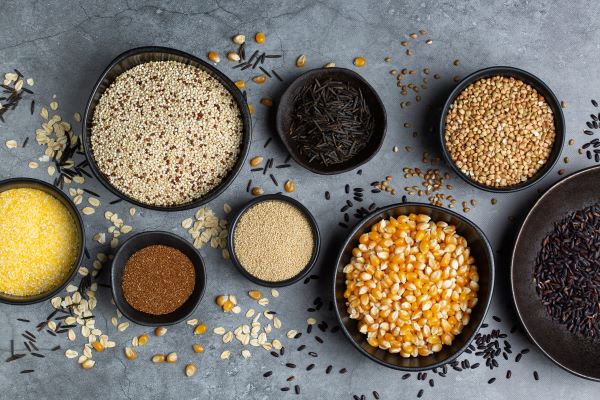
Whole grains are an essential component of a diet conducive to good digestion. Unlike refined grains, whole grains retain all parts of the grain – bran, germ, and endosperm. This means they are rich in fiber, which aids in digestive health by promoting regular bowel movements and preventing constipation. Examples of nutritious whole grains include quinoa, brown rice, and oats. Integrating these into meals not only supports the digestive system but also provides a steady source of energy.
The benefits of whole grains extend beyond just aiding digestion. They are also linked to a lower risk of chronic diseases such as heart disease and type 2 diabetes. The versatility of whole grains in cooking makes them an excellent choice for any meal. Quinoa can be used in salads, brown rice as a side dish, and oats for a hearty breakfast. Experimenting with different grains adds variety and numerous health benefits to a diet.