

Legumes: Protein And Fiber Powerhouses

Legumes, including lentils, chickpeas, and beans, are an excellent source of both protein and fiber, making them an ideal food choice for digestive health. The high fiber content in legumes helps maintain regular bowel movements and prevents digestive issues like constipation. Additionally, the protein in legumes is crucial for those following a vegan diet, as it provides a vital nutrient typically associated with animal products.
Legumes are not only beneficial for digestion but also for overall health. They are associated with lower blood cholesterol levels and have a low glycemic index, making them suitable for blood sugar management. Lentils can be used in soups, chickpeas in salads or hummus, and beans in a variety of dishes, from tacos to stews. Their versatility in the kitchen makes them an excellent addition to any meal.
Hydration With Herbal Teas

Hydration plays a critical role in digestion, and herbal teas can be an excellent way to maintain it. Teas such as ginger, peppermint, and chamomile not only provide hydration but also offer specific digestive benefits. For example, ginger tea can alleviate nausea, while peppermint tea is known for its ability to ease digestive discomfort and chamomile tea for its soothing properties.
Incorporating these herbal teas into a daily routine can have a significant impact on digestive health. They are a calming and enjoyable alternative to plain water and can be consumed hot or cold, making them suitable for any season. Regular consumption of herbal teas can help in reducing bloating, easing abdominal discomfort, and improving overall digestive function.
Nuts And Seeds For Digestive Health
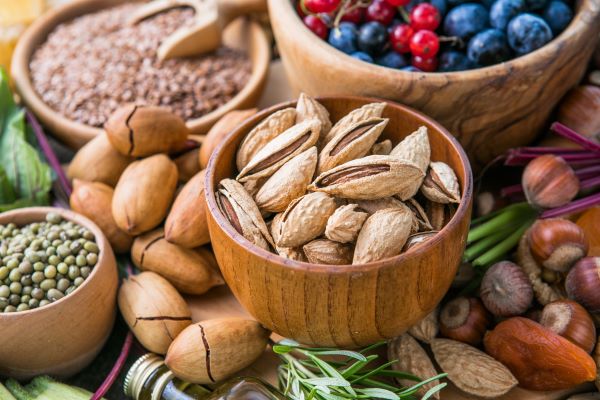
Nuts and seeds are a nutritious addition to a diet focused on digestive health. They provide a good source of healthy fats and fiber, which are essential for proper digestion. Almonds, chia seeds, and flaxseeds, in particular, offer these benefits and can be easily incorporated into daily diets. The fiber in nuts and seeds aids in preventing constipation and maintaining a healthy gut.
In addition to digestive benefits, nuts and seeds are rich in vitamins, minerals, and antioxidants, contributing to overall health. They can be added to salads, yogurts, or eaten as a snack. Chia seeds and flaxseeds are also great in smoothies or as toppings on oatmeal. Their versatility and health benefits make them an excellent choice for anyone looking to improve their digestive health.
Fruits: Natural Sweetness With Digestive Benefits

Fruits are not only a source of natural sweetness but also have various digestive benefits. Papaya, apples, and berries are particularly beneficial for digestion. Papaya contains an enzyme called papain, which aids in the digestion of proteins, while apples are high in fiber, promoting regular bowel movements. Berries, with their high fiber content, also contribute to a healthy digestive system.
Incorporating these fruits into daily meals is an enjoyable way to improve digestion. They can be eaten as snacks, added to cereals, or blended into smoothies. Not only do they add flavor and variety to meals, but their high fiber and enzyme content also make them an excellent choice for anyone looking to enhance their digestive health.
The Bottom Line
The foods highlighted in this blog post offer a range of benefits for digestive health, particularly for those following a vegan diet. High-fiber vegetables, fermented foods, whole grains, legumes, herbal teas, nuts, seeds, and certain fruits each play a unique role in maintaining a healthy digestive system. Regularly incorporating these foods into meals can lead to improved digestion, better nutrient absorption, and overall enhanced well-being. Embracing a variety of these plant-based foods is not only beneficial for the digestive system but also contributes to a balanced and nutritious diet.