

Low-fat diets have been marketed as the ultimate solution for weight loss and better health for decades. People are often told that cutting out fat will help them shed pounds and protect their hearts from disease. But what many don’t realize is that the real story behind low-fat diets is far from healthy. In fact, these diets can lead to a range of hidden dangers that might harm your body more than help it. This post will uncover the unsettling truth about low-fat diets and why embracing healthy fats is essential for long-term well-being.
The Importance of Healthy Fats
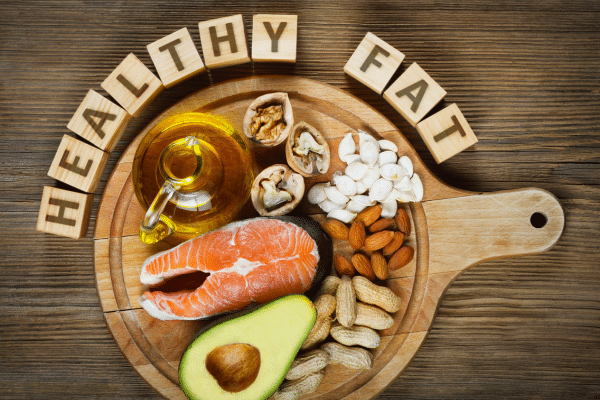
Healthy fats are essential for the body to function properly. Fats play a vital role in hormone production, brain function, and energy storage. Without enough healthy fats, the body struggles to maintain balanced hormone levels, which can lead to mood swings and fatigue. Fats also aid in the absorption of vitamins like A, D, E, and K, which are crucial for immune function, bone health, and overall well-being.
Not all fats are created equal, and it’s important to understand the difference between good and bad fats. Monounsaturated and polyunsaturated fats, found in foods like avocados, nuts, and fish, provide numerous health benefits. On the other hand, trans fats and excessive saturated fats can lead to clogged arteries and heart disease. Cutting out all fats, as many low-fat diets suggest, robs the body of these essential nutrients, leading to unintended health issues.
The Sugar Problem in Low-Fat Diets

One of the biggest problems with low-fat diets is that they often replace fat with sugar. Food manufacturers use sugar to enhance the flavor of low-fat products that would otherwise taste bland. This increased sugar content can lead to blood sugar spikes and crashes, which contribute to cravings and overeating. Over time, this pattern can lead to weight gain and an increased risk of developing type 2 diabetes.
When people choose low-fat options, they often don’t realize that they’re consuming much more sugar than they would in the full-fat versions. Many low-fat yogurts, salad dressings, and snacks are loaded with added sugars to compensate for the loss of flavor. This hidden sugar can have serious consequences, including insulin resistance and chronic inflammation. In the long run, a low-fat, high-sugar diet can do more harm than good, setting the stage for metabolic issues.
Why Low-Fat Diets Fail for Weight Loss

Low-fat diets are often promoted as a way to lose weight quickly, but they rarely work in the long term. While cutting fat may initially lead to some weight loss, most of it comes from water and muscle mass rather than fat. This slows down your metabolism, making it harder to keep the weight off. When you lose muscle, your body burns fewer calories, which is why many people on low-fat diets eventually regain the weight they lost.
Another issue with low-fat diets is that they tend to be high in carbohydrates. When fats are restricted, people often overeat carbs, which are quickly converted into sugar in the bloodstream. This not only leads to energy crashes but also promotes fat storage, particularly around the abdomen. Over time, this can result in weight gain, particularly in the form of stubborn belly fat, making low-fat diets counterproductive for long-term weight loss.
Surprising Effects on Heart Health

Contrary to popular belief, low-fat diets may not be the best for heart health. Many people assume that reducing fat will lower cholesterol and protect their hearts, but this isn’t always the case. When fats are replaced with processed carbohydrates and sugars, it can actually raise levels of bad cholesterol (LDL) and lower good cholesterol (HDL). This imbalance increases the risk of heart disease and other cardiovascular issues.
Healthy fats, such as those found in olive oil, nuts, and fatty fish, have been shown to improve heart health. These fats help reduce inflammation and support healthy cholesterol levels. By cutting out fats, particularly the healthy ones, low-fat diets deprive the body of essential nutrients that promote heart health. In the end, low-fat diets may do the opposite of what they promise, increasing the risk of heart problems instead of preventing them.