
Nutrition Guide
Plant-Based Foods That Have More Protein Than You Might Think
From soy foods and seitan to humble lentils and seeds, here is where protein hides in a vegan kitchen.
Many people still assume that plant-based foods cannot deliver enough protein, yet a closer look at everyday ingredients tells a different story. Plant-based foods that have more protein than you might think are often sitting in the pantry already, including lentils, chickpeas, tofu, peas, oats and even seeds and nuts. Protein is built from amino acids, and plants supply all of them, though in varying proportions and alongside fiber, minerals and beneficial plant compounds that animal foods generally do not provide. Understanding which foods are especially rich in protein, how protein quality is judged, and how meals can be assembled around these ingredients makes it far easier to meet daily needs without relying on animal products or heavily processed supplements.
Why Plant Protein Sources Are Often Underestimated
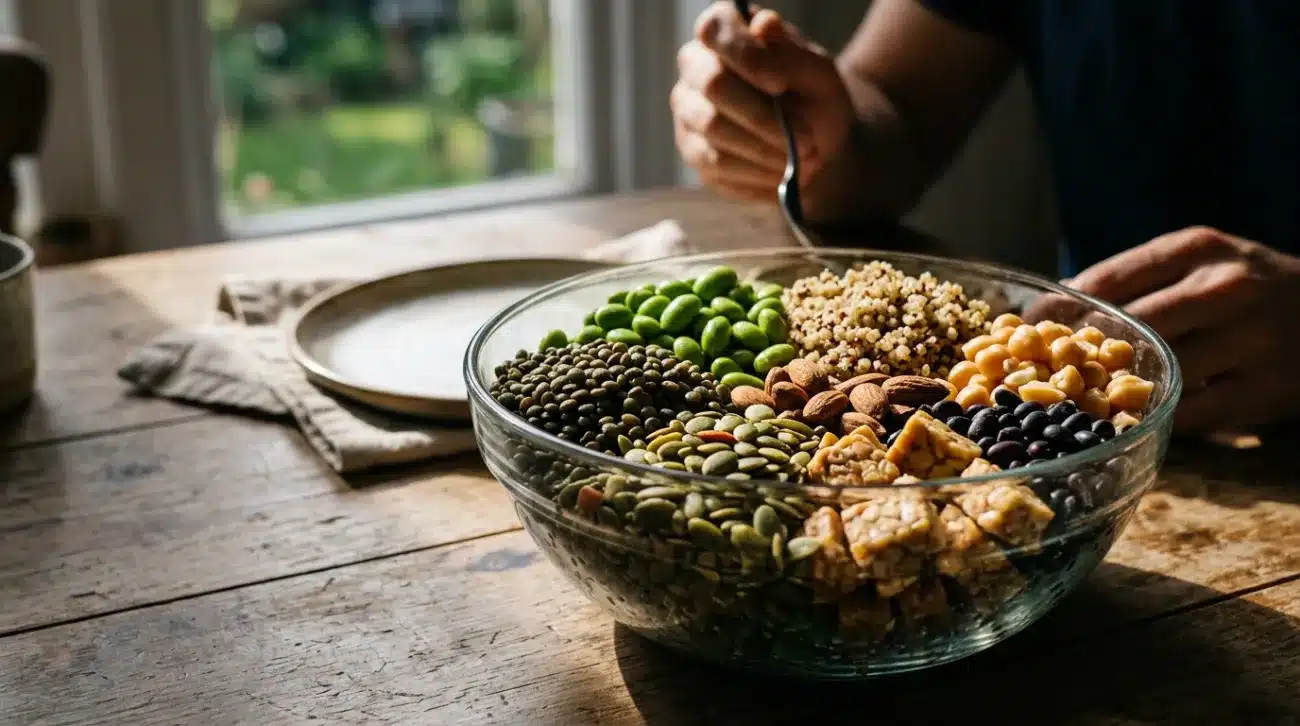
The belief that plants are poor protein sources comes largely from the way protein has traditionally been discussed. Meat, eggs and dairy are widely described as “complete” proteins because they contain all nine essential amino acids in useful amounts, while many plant foods have been labeled “incomplete.” That framing is technically accurate for some individual foods, but it overlooks two important points. First, several plant foods are complete or close to it on their own. Second, the body does not require every essential amino acid to be present in a single meal. It draws from a pool of amino acids built up over the course of the day.
The Academy of Nutrition and Dietetics has stated in its position paper that appropriately planned vegetarian and vegan diets can be healthful and nutritionally adequate for people at all stages of life. The key phrase is “appropriately planned,” which means paying attention to variety and to whole food groups rather than simply removing animal products. Protein is generally not the nutrient that causes the most difficulty on a well-planned vegan diet, provided overall calorie intake is sufficient and legumes, soy foods, grains, nuts and seeds appear regularly.
It also helps to know how much protein people actually need. The commonly cited Recommended Dietary Allowance for healthy adults is 0.8 grams of protein per kilogram of body weight per day. Individual needs can be higher for athletes, older adults and people recovering from illness, and anyone with a medical condition should consult a doctor or registered dietitian. For many people eating enough food, a varied plant-based diet can reach the general recommendation without special effort.
Soy Foods: Tofu, Tempeh and Edamame as High Protein Staples

Soy is one of the best-known plant protein sources, and for good reason. Soybeans are among the few plant foods generally recognized as containing all nine essential amino acids, which is why soy protein is often compared favorably with animal protein in nutrition research. Tofu, made by coagulating soy milk and pressing the curds, is mild in flavor and takes on the taste of whatever it is cooked with. Firmer varieties usually contain more protein per serving than softer ones because they hold less water.
Tempeh is made by fermenting whole soybeans into a firm cake, and it tends to be more protein-dense by weight than tofu because the whole bean is used. The fermentation process also gives it a nutty, savory flavor and a chewy texture that works well sliced, crumbled or marinated. Edamame, which are immature soybeans, can be eaten steamed from the pod as a snack or added to grain bowls and salads, offering protein together with fiber. Soy milk is another option, and unsweetened versions are among the plant-based milks most similar to cow’s milk in protein content, though labels differ between brands and are worth checking.
Seitan and Wheat-Based Meat Alternatives
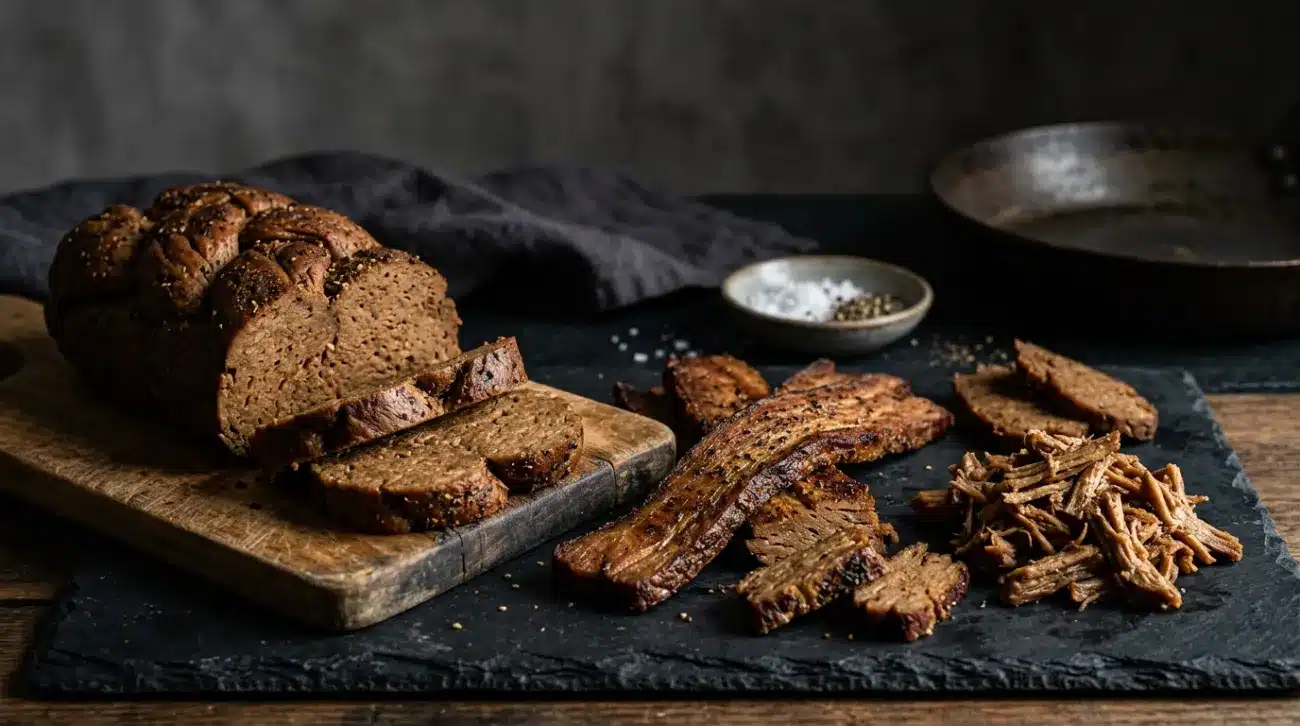
Seitan, sometimes called wheat meat, is made by washing wheat dough until the starch rinses away, leaving behind gluten, the main protein in wheat. The result is a dense, chewy food that is exceptionally high in protein relative to its weight and that has long been used in East Asian cooking and in vegetarian cuisine. Because it is largely concentrated gluten, it is naturally unsuitable for people with celiac disease or gluten sensitivity.
From a nutritional standpoint, seitan is a reminder that a food can be rich in protein while still being low in one particular amino acid. Wheat protein is limited in lysine, an essential amino acid, so seitan is best paired with lysine-rich foods such as beans, lentils or soy over the course of the day. This is a simple adjustment, since many classic dishes already combine them, such as a stir-fry that includes both seitan and tofu or a stew that pairs wheat-based meat with lentils.
Legumes: Lentils, Beans, Chickpeas and Peas
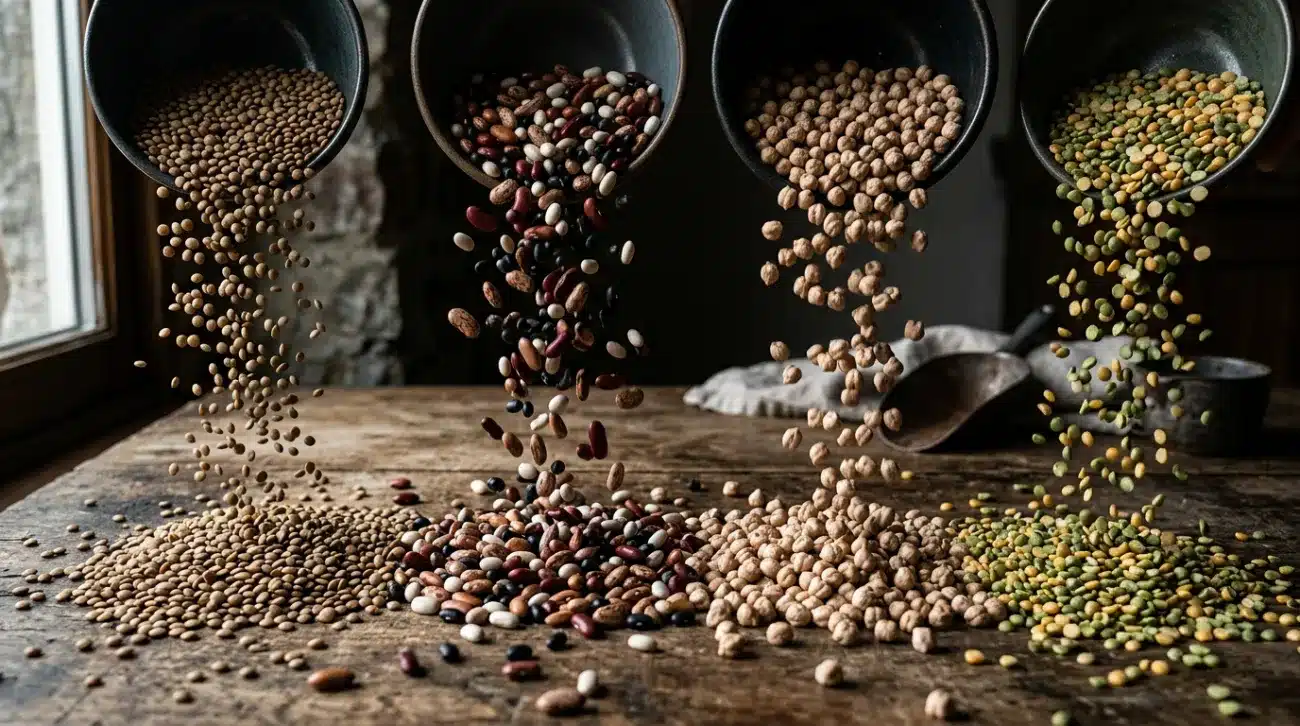
Legumes form the backbone of plant-based protein around the world. Lentils, black beans, kidney beans, chickpeas, split peas and many other varieties deliver substantial protein along with fiber, iron, folate and complex carbohydrates. Dietary guidelines in many countries encourage regular legume consumption because of their association with good heart health and digestive function.
Lentils stand out for how quickly they cook and how versatile they are, turning up in soups, curries, salads and veggie burgers. Chickpeas can be roasted, blended into hummus, or simmered in stews, and chickpea flour is used to make flatbreads and savory pancakes. Green peas are often overlooked, yet they contain more protein than many other vegetables, and pea protein has become a popular base for plant-based milks and protein powders. Like grains, legumes tend to be lower in the amino acid methionine, which is one reason eating them alongside whole grains makes nutritional sense, although the pairing does not need to happen at the same meal.
Seeds, Nuts and Nut Butters as Protein Boosters
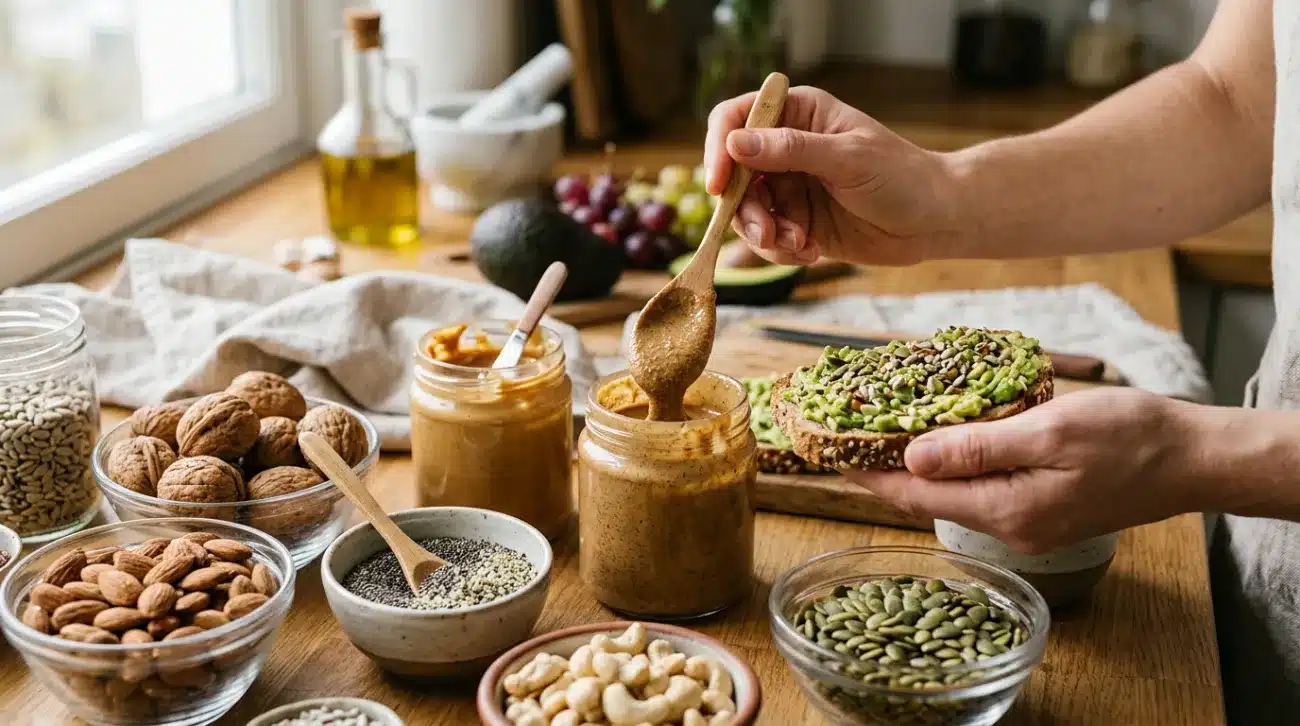
Seeds and nuts rarely serve as the main protein source in a meal, but they contribute meaningfully when used regularly. Hemp seeds are notable because they are generally reported to contain all essential amino acids, and they can be sprinkled over oatmeal, salads and smoothies without any cooking. Pumpkin seeds, sunflower seeds, chia seeds and flaxseed also provide protein along with healthy fats, minerals and fiber. Peanuts are technically legumes rather than true nuts, and peanut butter is one of the most accessible protein-containing spreads, while almonds and pistachios are often cited among the more protein-rich tree nuts.
Because nuts and seeds are energy-dense, small portions go a long way. A spoonful of nut butter on toast, a handful of seeds on a grain bowl, or tahini whisked into a dressing can add protein without making a meal feel heavy. For people with higher energy needs, these foods can be especially helpful, while those watching calories may prefer to treat them as accents rather than staples.
Whole Grains and Pseudocereals With Surprising Protein Content
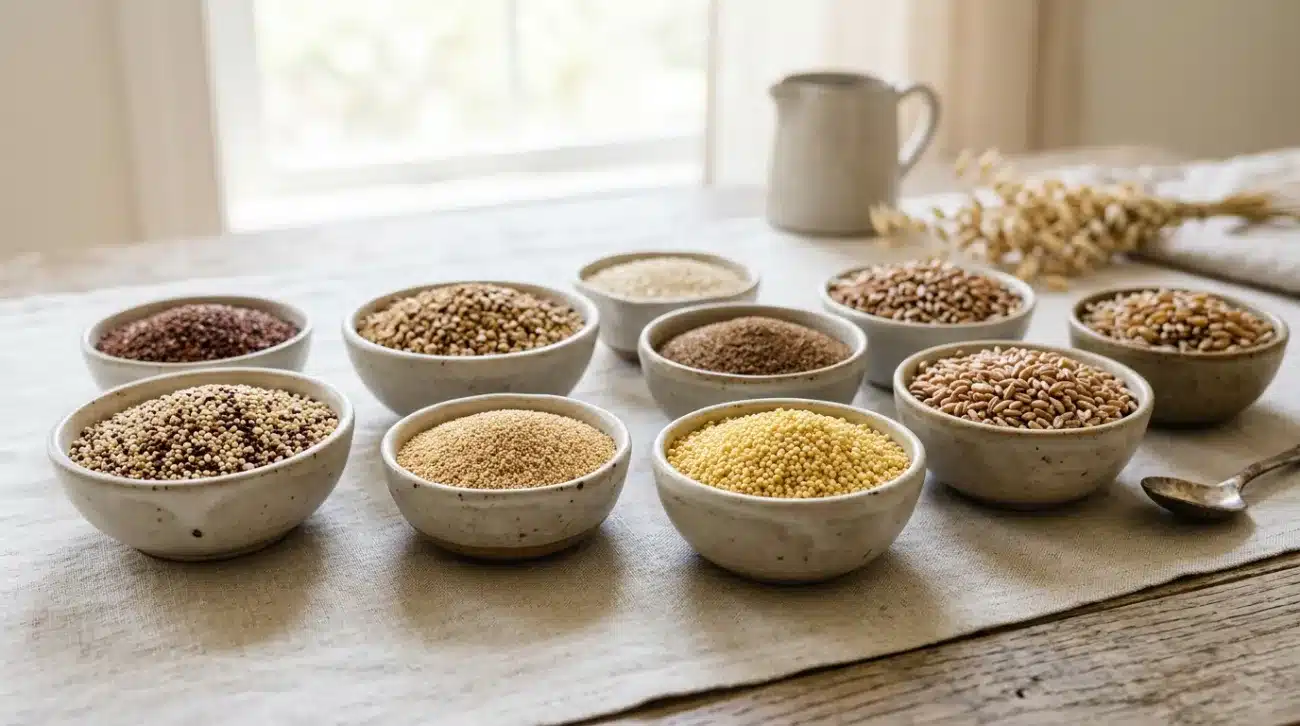
Grains are usually thought of as carbohydrate foods, but they contribute more protein than many people realize, especially when they make up a large share of daily intake. Oats, whole wheat, brown rice, barley and farro each supply a modest amount per serving, and over several servings a day it adds up. Quinoa, amaranth and buckwheat are technically seeds rather than true cereals, and they are frequently described as complete proteins because they contain all essential amino acids, although the levels of some, such as lysine, vary and are often described as modest in comparison with soy.
Nutritional yeast, a deactivated yeast with a savory, cheese-like taste, is another easy way to add protein to pasta, popcorn, sauces and scrambled tofu. Many commercial brands are also fortified with vitamin B12, which vegans need from fortified foods or supplements, but fortification differs by product, so checking the label is advisable.