
Understanding Protein Quality and Amino Acid Variety
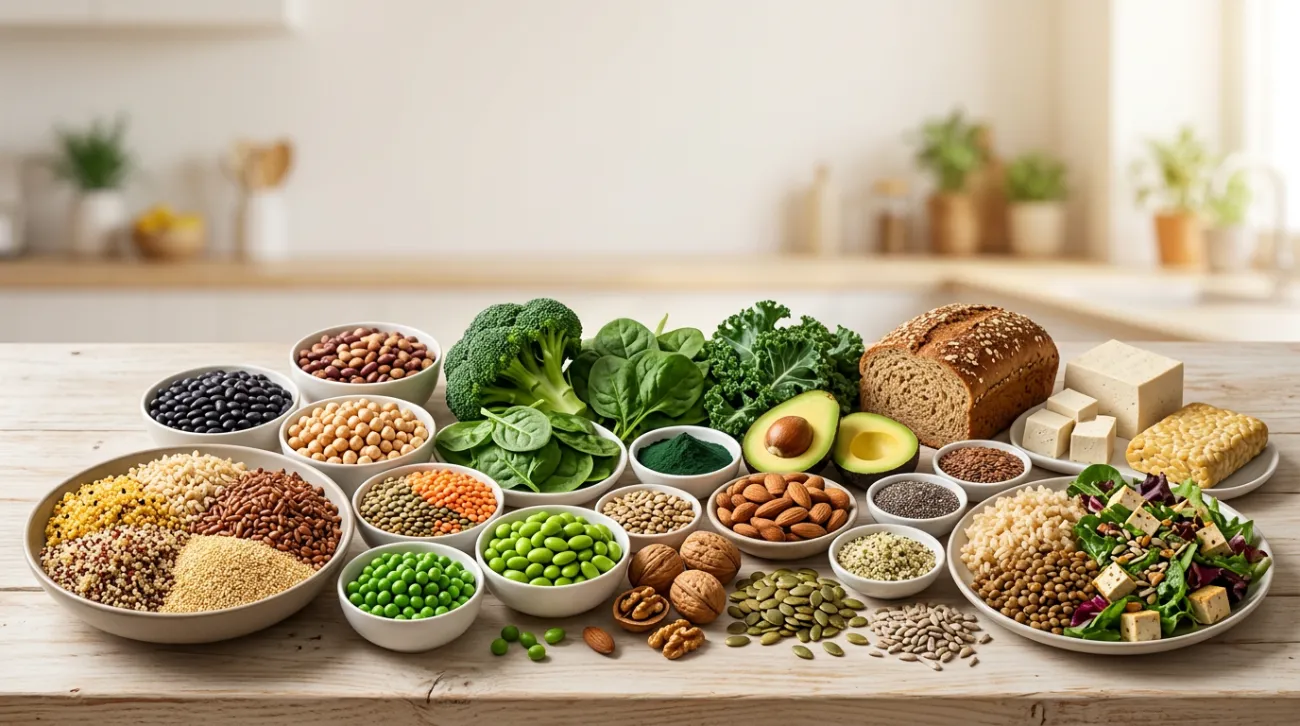
Researchers assess protein quality using measures such as the Protein Digestibility Corrected Amino Acid Score and the more recent Digestible Indispensable Amino Acid Score, both of which consider amino acid content and how well the body can digest and absorb the protein. Animal proteins generally score higher on these scales, while soy and some pea or potato protein products score well among plant sources. Whole plant foods also contain fiber and other compounds that can slightly reduce digestibility compared with isolated proteins, which is one reason some nutrition professionals suggest that people relying fully on plants may want to aim for the upper end of recommended intake, especially if they are very active.
In practice, eating a variety of foods through the day typically covers the amino acid spectrum. Grains tend to be lower in lysine, while legumes tend to be lower in methionine, so a diet that includes both naturally balances out. Complicated meal combining is not necessary, and the idea that proteins must be paired precisely at each meal has been moved away from by major dietetic organizations.
A Contextual Breakdown of Where Plant Protein Comes From

The grid below is an editorial categorization, not measured data. It groups the foods discussed above by the role they usually play in a vegan diet.
Main-Course Anchors
Tofu, tempeh, seitan, lentils and beans usually serve as the centerpiece of a meal, supplying the largest share of protein in a typical vegan dish.
Everyday Supporting Contributors
Peas, oats, whole grains, quinoa and soy milk add protein steadily across breakfast, lunch and dinner without being the focus of the plate.
Small but Useful Boosters
Hemp seeds, pumpkin seeds, nut butters, tahini and nutritional yeast are used in small amounts to lift the protein content of salads, bowls, spreads and sauces.
Source: Editorial categorization based on general nutrition guidance; not measured data.
Practical Ways to Build High-Protein Vegan Meals
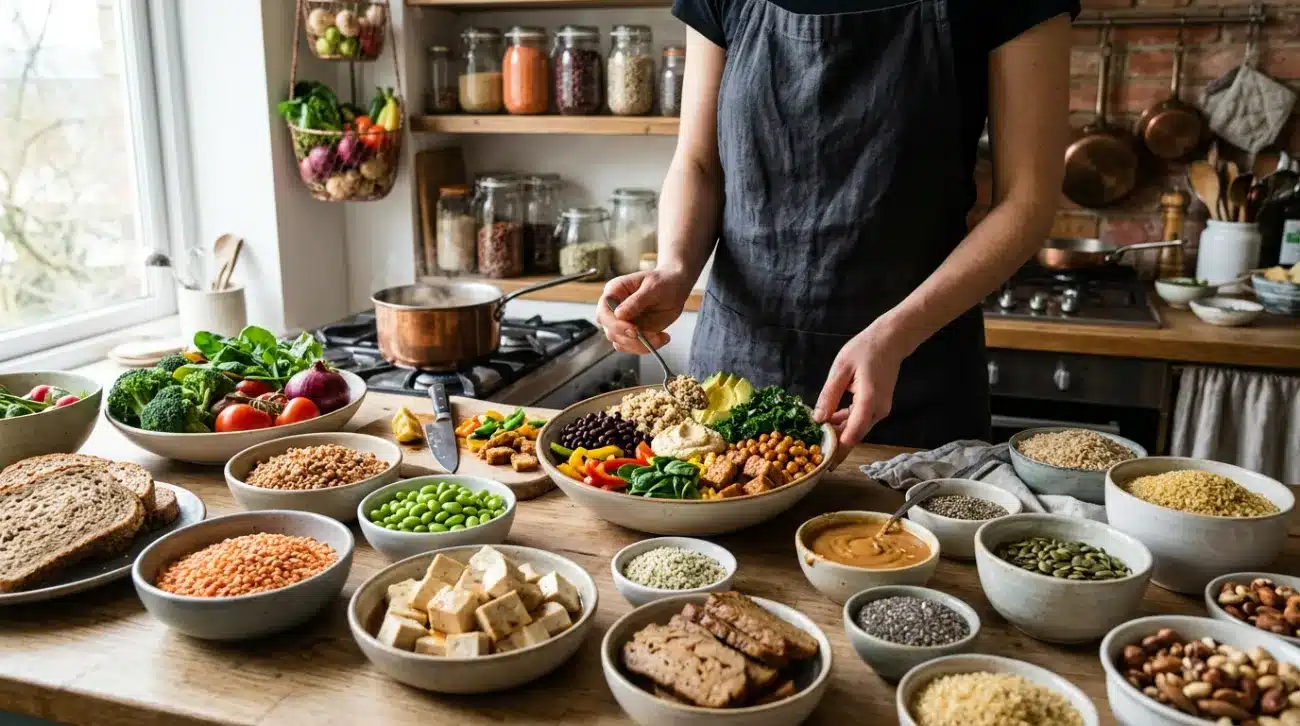
Turning this information into meals is simpler than it may sound. A breakfast of oatmeal topped with hemp seeds and nut butter, accompanied by soy milk, already brings together three different plant protein sources. A lunch built on a lentil soup with whole-grain bread, or a grain bowl with chickpeas, edamame and tahini dressing, covers legumes, grains and seeds in one sitting. Dinner might feature a tofu or tempeh stir-fry served over quinoa or brown rice, with vegetables and a sprinkle of nutritional yeast or seeds.
Snacks offer more opportunities, from roasted chickpeas and edamame to hummus with vegetables and a handful of nuts. Reading nutrition labels remains useful, particularly with packaged products such as meat alternatives, plant milks and protein bars, where protein content, sodium and added sugars can differ widely. Anyone with specific health conditions, high athletic demands, or concerns about their intake can benefit from working with a registered dietitian who is familiar with plant-based eating.
Rethinking the Protein Question on a Vegan Plate
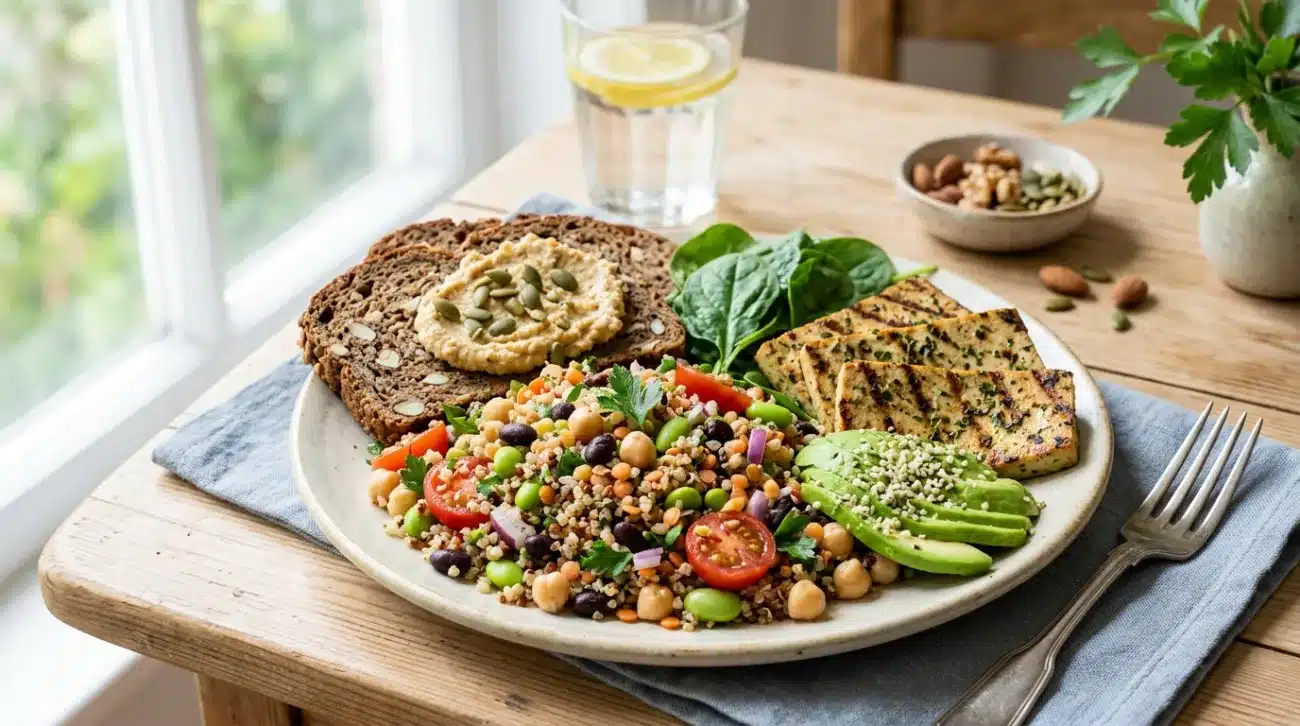
Protein on a plant-based diet is far less of a challenge than popular assumptions suggest, because the vegan kitchen already contains a wide range of ingredients that contribute meaningfully to daily needs, from soy foods and seitan to lentils, peas, seeds and whole grains. By eating a variety of these foods across the day, paying attention to calorie sufficiency, and choosing fortified products where needed for nutrients such as vitamin B12, most people can meet protein recommendations without difficulty. The more useful question is not whether plants contain enough protein, but how to enjoy them in combinations that are satisfying, balanced and sustainable over the long term, and that shift in perspective can make plant-based eating feel less restrictive and far more abundant.