

Achieving hormonal balance is essential for physical and mental well-being, influencing everything from mood and energy to weight and sleep quality. Hormones act as messengers that regulate complex processes throughout the body, and when they’re out of balance, symptoms can manifest quickly. Surprisingly, diet plays a pivotal role in hormone regulation, affecting levels of key hormones like insulin, cortisol, and estrogen. With a few simple dietary tweaks, it’s possible to foster a more balanced hormonal environment naturally. From protein intake to smart carbohydrate choices, these accessible diet strategies can help stabilize hormones and support overall health.
Understanding the Basics of Hormonal Health

Hormones are chemical messengers that control many bodily functions, including metabolism, growth, and mood regulation. The endocrine system, which produces these hormones, is extremely sensitive to external factors such as diet, stress, and lifestyle. When hormones are balanced, the body functions smoothly, but even small imbalances can lead to fatigue, mood swings, weight gain, and sleep disturbances. With hormone-related conditions on the rise, understanding how to support hormonal health is more important than ever.
Diet is one of the most direct ways to influence hormonal balance. What we eat not only affects blood sugar and energy but also impacts hormone production and stability. For example, certain nutrients act as building blocks for hormones, while others can disrupt normal hormone levels if consumed excessively. By understanding the connection between diet and hormones, individuals can make food choices that help maintain a balanced and healthy hormonal environment.
Prioritize Protein at Every Meal
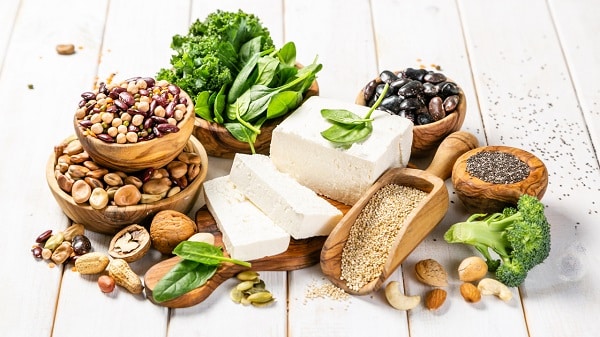
Protein is a crucial macronutrient for supporting hormone health, especially in stabilizing blood sugar levels and providing sustained energy. Eating protein at each meal helps prevent blood sugar spikes and dips that can disrupt insulin levels—a key factor in maintaining hormone balance. When blood sugar levels are stable, there is less strain on the body’s cortisol (stress hormone) production, leading to better mood and energy stability. High-quality protein sources, such as lean meats, fish, tofu, and legumes, provide essential amino acids necessary for overall hormone production.
In addition to blood sugar stability, proteins supply amino acids that are building blocks for neurotransmitters and hormones like serotonin and dopamine. These mood-regulating hormones help manage stress and maintain a sense of well-being. By prioritizing protein intake throughout the day, individuals can ensure they are supporting their hormonal systems with the nutrients needed to maintain mental and physical health. Regular protein consumption, along with other balanced dietary choices, provides a solid foundation for promoting overall hormonal harmony.
Include Healthy Fats for Hormone Synthesis

Healthy fats are indispensable for hormone production, as many hormones, including sex hormones like estrogen and testosterone, are synthesized from fats. Without adequate fat intake, the body struggles to produce these hormones in the necessary quantities. Incorporating sources of healthy fats, such as avocados, nuts, seeds, and olive oil, provides the raw materials needed for efficient hormone synthesis. Omega-3 fatty acids, found in foods like salmon and flaxseeds, are particularly beneficial as they reduce inflammation and promote hormone balance by supporting cortisol and estrogen levels.
Furthermore, healthy fats help to regulate the body’s metabolism and promote cellular health, which are essential for hormone function. These fats improve the body’s sensitivity to insulin, helping to control blood sugar levels and reduce the likelihood of insulin resistance—a major disruptor of hormonal balance. By choosing healthy fats, individuals can support hormonal stability, foster better energy levels, and create a more balanced internal environment conducive to overall wellness.