
Glycemic Impact and Diabetes

Contrary to popular belief, not all vegan sweeteners are free from impacting blood sugar levels. While some, like stevia, have a negligible effect on glycemic response, others, like xylitol, can still influence blood sugar levels, albeit to a lesser extent than sugar. This is particularly relevant for individuals with diabetes or those predisposed to metabolic syndrome. Consumers often assume these sweeteners are universally safe for glycemic management, a misconception that needs addressing for informed dietary choices.
Furthermore, the response to these sweeteners can vary significantly between individuals, complicating their use as a universal substitute for sugar. For some people, even small amounts of certain sweeteners can cause a spike in insulin levels, disrupting metabolic health over time. This variability makes personalized dietary advice crucial for those using vegan sweeteners, especially for individuals managing diabetes or other metabolic conditions.
Environmental Concerns

Another significant concern is the environmental impact of producing vegan sweeteners. For example, stevia cultivation requires substantial water and land resources. In some regions, the demand for these resources can contribute to environmental degradation and conflict over land use. Moreover, the energy-intensive processing required for some synthetic vegan sweeteners can further exacerbate their environmental footprint, challenging the notion that vegan sweeteners are inherently more sustainable than traditional sugars.
This environmental cost extends beyond the immediate effects on land and water. The production processes for many synthetic sweeteners involve emissions of greenhouse gases and other pollutants. As the demand for these sweeteners grows, so too does their potential environmental impact, necessitating a closer look at manufacturers’ sustainability practices and encouraging consumers to consider the broader ecological implications of their dietary choices.
Regulatory and Labeling Issues
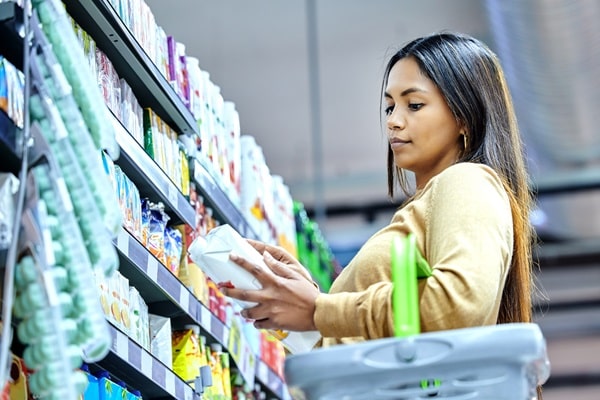
The regulation and labeling of vegan sweeteners often lack transparency and consistency. In many jurisdictions, the criteria for labeling a product as “natural” or “vegan” are not stringent, allowing some manufacturers to market processed and chemically altered products under these labels. This lack of stringent regulatory oversight can mislead consumers about the true nature of the ingredients in their food, potentially exposing them to unknown health risks.
Moreover, the absence of standardized definitions for terms like “natural” can result in a wide variation in the quality and safety of vegan sweeteners in the market. This regulatory gap poses challenges for consumers seeking to make informed dietary choices and highlights the need for more rigorous standards and clearer labeling to protect consumer interests and health.
The Organic Misconception
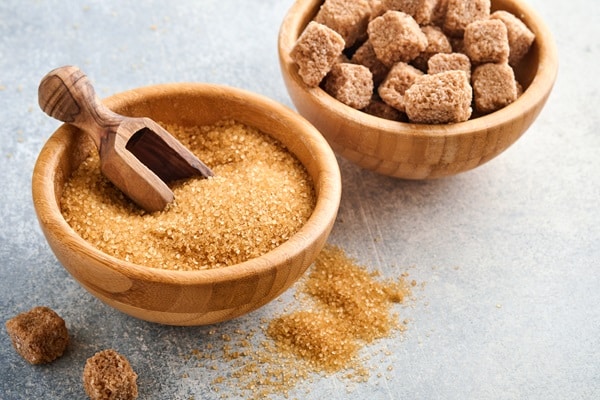
There is a common misconception that all vegan sweeteners are organic or inherently healthier. However, organic certification primarily addresses the methods of growing and processing foods without synthetic pesticides or fertilizers and does not automatically imply health benefits. The organic label on a vegan sweetener does not guarantee that it is healthier or safer than its non-organic counterparts, an important distinction consumers must recognize when making dietary choices.
Additionally, the health benefits of organic sweeteners are often overstated, with little consideration given to the actual nutritional content or the presence of other potentially harmful additives. This misconception can lead consumers to choose organic sweeteners without critically assessing their overall dietary impact, potentially leading to poorer health outcomes.
Sweetening the Deal: Rethinking Our Choices
As we delve deeper into the world of vegan sweeteners, it becomes clear that they are not the simple solution they appear to be. The hidden threats in these products—ranging from health risks to environmental impacts—suggest a need for greater scrutiny and regulation. By rethinking our choices and demanding more transparency, we can ensure that our pursuit of sweetness does not come at an undue cost to our health and the planet.