Sweet Potatoes

Sweet potatoes are delicious, but they are also one of the healthiest vegetables you can eat. They are a good source of fiber, which can help regulate digestion. They are also high in vitamins A and C and potassium and magnesium. Sweet potatoes are low on the glycemic index, meaning that they won’t cause a sudden spike in blood sugar levels.
A low glycemic index makes them a good choice for people with diabetes or those trying to lose weight. Additionally, sweet potatoes contain antioxidants that can help protect against diseases such as cancer. So go ahead and enjoy a delicious sweet potato dish knowing that you’re doing your body a favor!
Brussels Sprouts
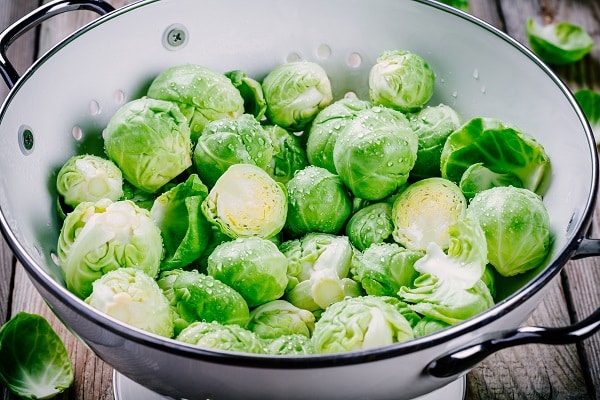
Few vegetables get as much hate as the Brussels sprout. These little green cabbages have been the subject of many a dinner table debate, and their reputation as a holiday side dish is not exactly glowing. However, Brussels sprouts are one of the healthiest vegetables you can eat. They are full of vitamins and minerals, and they contain high levels of fiber and protein. Additionally, Brussels sprouts are an excellent source of antioxidants.
They are one of the few vegetables that contain all four major types of antioxidant compounds. And if that wasn’t enough, Brussels sprouts have been linked to a lower risk of cancer and heart disease. So next time you’re at the grocery store, don’t be so quick to judge these little cabbages. They may not be the most popular vegetable, but they certainly pack a nutritional punch.
Asparagus
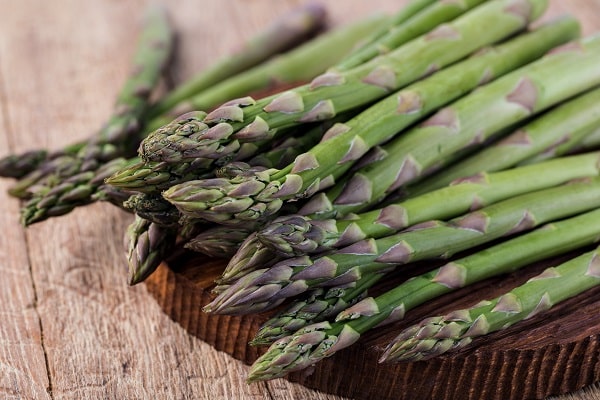
Asparagus is a delicious, nutritious vegetable that deserves a spot on your dinner table. It is low in calories and fat, but it is also full of vitamins, minerals, and antioxidants. Asparagus is one of the healthiest vegetables you can eat; it is an excellent source of vitamins A, C, and E and folate. It also contains a significant amount of fiber, essential for gut health.
Additionally, asparagus is very low in sodium and contains no cholesterol. All of these nutrients work together to promote overall health. The antioxidants in asparagus also have numerous health benefits. They help protect cells from damage and may help prevent certain chronic diseases. Additionally, the fiber in asparagus helps to keep you regular and may reduce your risk of constipation.
Beets
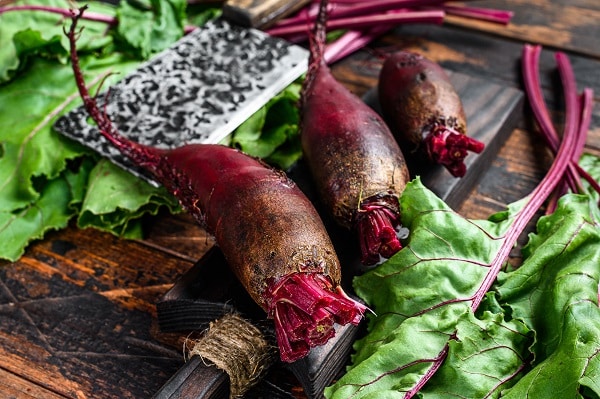
Beets are vegetables full of nutrients and health benefits. For starters, beets are a great source of fiber, which helps to keep your digestive system running smoothly. They’re also rich in iron, folate, and manganese, all essential nutrients for keeping your body healthy.
Beets also contain nitrates, which can help to lower blood pressure and improve athletic performance. And if that’s not enough, beets are also loaded with antioxidants, which can help protect your cells from damage.
Start Adding These Vegetables To Your Diet!
There are so many health benefits to eating vegetables that it’s hard to know where to start. All of the vegetables listed in this article are excellent fiber, vitamins, and minerals sources. They also contain high levels of antioxidants, which can help to protect your cells from damage. Additionally, they can help lower the risk of chronic diseases such as cancer and heart disease. So next time you’re at the grocery store, be sure to pick up some fresh produce! You’ll be doing your body a favor with every bite.