The Best Foods To Detox Your Body Naturally
How diet, key nutrients, and proper hydration work alongside the body’s built-in detoxification organs to support long-term health.
Detoxification is not a trend or a marketing concept — it is a continuous, around-the-clock biological process performed by the body’s own organs to neutralize and eliminate harmful substances. When it comes to the best foods to detox your body naturally, the science points clearly toward dietary choices that support, rather than replace, those organs. The liver, kidneys, lungs, skin, and digestive tract each play a distinct and documented role in clearing the blood and tissues of metabolic waste, environmental pollutants, and other unwanted compounds. What individuals eat can either provide those organs with the nutrients they need to function efficiently, or it can burden them further. Understanding how that relationship works — and which foods genuinely contribute — requires setting aside the language of commercial cleanses and looking at what evidence-based research actually shows.
How the Body’s Natural Detoxification System Actually Works
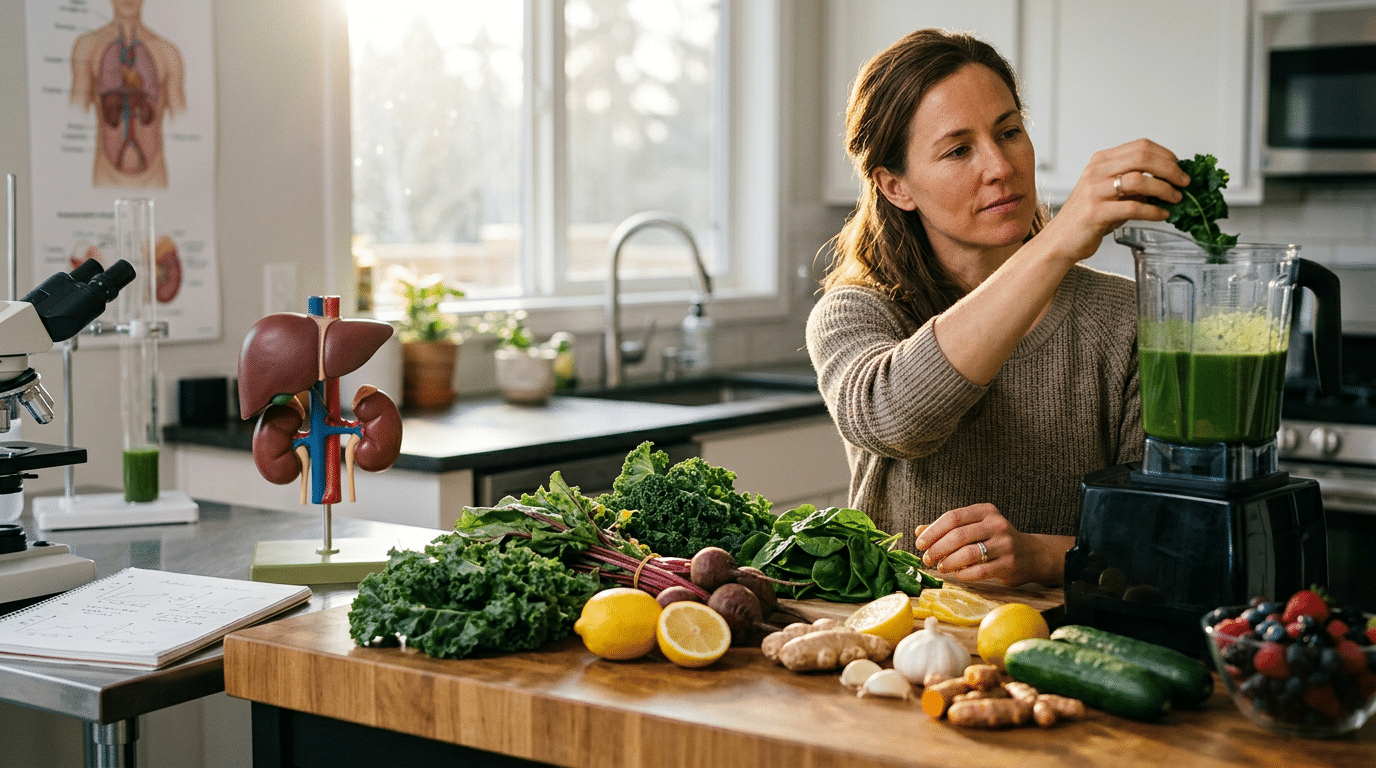
The human body runs its own detoxification system continuously, powered by multiple organs that work in concert to neutralize and remove harmful substances. The liver performs the heaviest workload, processing virtually everything that enters the bloodstream — from alcohol and medications to environmental pollutants and the metabolic by-products of normal cellular activity. This work happens in two documented phases. In Phase I, enzymes from the cytochrome P450 family chemically modify toxic compounds through oxidation, reduction, or hydrolysis, making them more reactive. In Phase II, these modified compounds are then conjugated — bound to water-soluble molecules such as sulfates or glucuronic acid — so they can be excreted more easily through bile or urine.
The kidneys handle the next stage of the process. They filter waste products and toxins from the blood, regulate electrolyte balance, and maintain the body’s acid-base equilibrium before excreting those substances through urine. The digestive system and colon then eliminate fat-soluble toxins via bile, while the skin and lungs contribute by expelling selected metabolic products through sweat and breath respectively. Crucially, this entire system operates independently and continuously — it does not require special diets, cleanses, or supplements to function. What diet can do, however, is ensure that these organs have the specific nutrients, antioxidants, and compounds they need to run their detoxification pathways as efficiently as possible.
Scientific literature consistently distinguishes between the body’s genuine physiological detoxification — carried out by the liver, kidneys, and associated organs — and commercial “detox” products, for which there is limited clinical evidence of benefit. Supporting natural organ function through diet is a well-documented approach; replacing organ function with supplements or juice cleanses is not.
The Role of Diet in Supporting Liver and Kidney Detox Pathways
Diet plays a verified and substantial role in how effectively the body’s detoxification pathways operate. For the liver specifically, registered dietitian Melissa Azzaro, author of A Balanced Approach to PCOS Cookbook, has noted that detoxification — which occurs primarily in the liver — is a process that requires many nutrients to function properly. The detoxification enzymes used in both Phase I and Phase II depend on adequate micronutrients as co-factors. For example, the enzyme glutathione peroxidase, which is central to Phase II detoxification, is measurably less active when the body lacks sufficient selenium. This is why broad nutritional adequacy, rather than any single “superfood,” forms the most reliable dietary foundation for supporting detox organ function.
A diet rich in antioxidants, fiber, and essential vitamins and minerals provides the raw materials these enzymes need. Conversely, highly processed foods, excess added sugars, and excessive alcohol consumption have been associated with increased oxidative stress on the liver and reduced detoxification efficiency. Trans fats and very high-fructose diets have also been linked to non-alcoholic fatty liver disease, a condition that directly impairs the organ primarily responsible for neutralizing toxins. Long-term dietary habits, rather than short-term interventions, have the most meaningful influence on how well the body manages waste and harmful compounds over time.
Nutritional Breakdown — Detox-Supportive Foods by Primary Benefit

The following categories represent a contextual editorial breakdown of foods by their primary documented mechanism of supporting the body’s detoxification organs. This is an organizational framework based on nutritional science, not a ranked list of measured clinical outcomes.
Leafy Greens
Kale, spinach, Swiss chard, and collard greens contain chlorophyll and high levels of antioxidants that help neutralize toxins and support liver function, alongside fiber that aids regularity.
Citrus Fruits
Lemons, oranges, limes, and grapefruit are rich in vitamin C and flavonoids, which stimulate the liver to produce glutathione — a key antioxidant central to Phase II detoxification.
Garlic
Contains allicin, a sulfur compound that activates liver enzymes responsible for flushing out toxins, and boosts glutathione production alongside its natural antimicrobial properties.
Turmeric
Its active compound curcumin supports bile secretion and liver function, and has demonstrated antioxidant properties that protect liver cells from oxidative stress in research models.
Berries
Blueberries, strawberries, and blackberries are packed with anthocyanins — antioxidants that protect against cellular oxidative damage — plus fiber that promotes digestive elimination.
Beets
Betalain pigments support Phase II liver detoxification enzymes and help manage oxidative stress within liver tissue; beets also supply nitrates that support healthy blood flow to the organ.
Green Tea
Rich in catechins — particularly EGCG — which have been shown in preclinical studies to upregulate Phase II detoxifying enzymes including glutathione S-transferase in liver tissue.
Cruciferous Vegetables
Broccoli and cauliflower contain sulforaphane and other sulfur compounds that assist the liver in detoxifying harmful substances and may help boost the liver’s regulatory capacity.
Leafy Greens and Citrus Fruits — Antioxidant-Rich Foundations of a Detox Diet
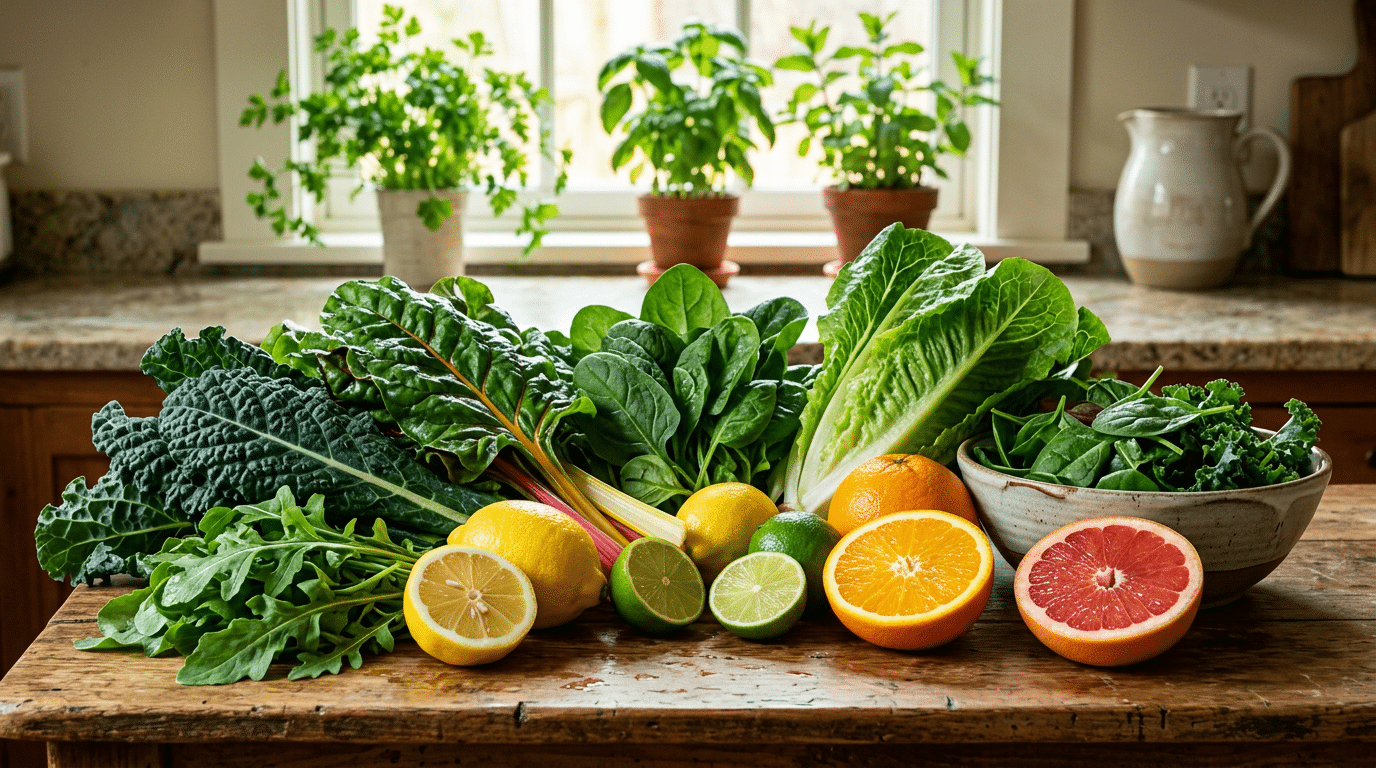
Dark leafy greens such as kale, spinach, Swiss chard, and collard greens are among the most nutrient-dense plant foods available. They contain chlorophyll, which has been described as a natural detoxifier that helps neutralize certain toxins and supports liver function. Their high dietary fiber content also aids digestion and promotes bowel regularity, which is one of the body’s primary routes for expelling waste. These vegetables additionally supply calcium, iron, magnesium, and vitamins A, C, and K — many of which act as co-factors for the enzymatic reactions involved in detoxification. Asparagus, another green vegetable, contains glutathione — a well-recognized antioxidant that promotes detoxification — and is also documented to support kidney and bladder function.
Citrus fruits, including lemons, oranges, limes, and grapefruit, provide a meaningful contribution through their vitamin C and flavonoid content. These compounds stimulate the liver to produce glutathione and support bile production, which helps balance digestive processes and assists in the removal of fat-soluble waste. It is worth noting that grapefruit, while nutritionally valuable, may interact with certain medications — a consideration that warrants discussion with a healthcare provider before increasing intake significantly. Across the citrus category, the consistent nutritional contribution is the upregulation of glutathione pathways, which are central to Phase II liver detoxification.
Garlic, Turmeric, and Beets — Compounds Shown to Support Detoxification Enzyme Activity

Garlic contains allicin, a sulfur compound that has been shown to boost liver detoxification enzymes and increase glutathione production. Its natural antimicrobial properties further support gut health, which plays a direct role in the overall efficiency of the body’s detoxification processes — a healthy gut microbiome is recognized as critical for optimal detoxification. Onions share many of these properties, containing similar sulfur compounds that contribute to liver enzyme activation and toxin elimination.
Turmeric’s active compound, curcumin, has been the subject of considerable research regarding liver health. Studies published in peer-reviewed journals suggest that curcumin may increase bile secretion, helping the gallbladder empty more completely and supporting the liver’s ability to process and excrete fat-soluble toxins through bile. Research published in the National Center for Biotechnology Information found that turmeric extract and curcumin significantly protect against liver injury by improving hepatic glutathione content and reducing lipid peroxidation markers. Curcumin is also recognized as a potent antioxidant, capable of scavenging free radicals and protecting liver cells from the oxidative stress that is an inherent part of the detoxification process itself. However, current evidence supporting curcumin’s effects in humans comes primarily from animal models and limited clinical trials, and it should be understood as a supportive dietary compound rather than a medical treatment.
Beets owe much of their documented health value to betalains — the pigments responsible for their deep red-violet color. Research indicates that betalains support Phase II liver detoxification by helping maintain the activity of enzymes involved in conjugation, the process by which the liver attaches molecules to toxins to make them water-soluble and easier to excrete. A 2024 study published in Scientific Reports found that beetroot protects against liver injury by restoring antioxidant pathways and regulating cellular function, with betalains and phenolics linked to the vegetable’s anti-inflammatory and antioxidant activities. Beets also supply natural nitrates that the body converts into nitric oxide, a molecule that improves blood flow and helps ensure the liver receives an adequate supply of oxygen and nutrients for its continuous work.
Green Tea and Cruciferous Vegetables — Enzymatic Support for Natural Cleansing Processes
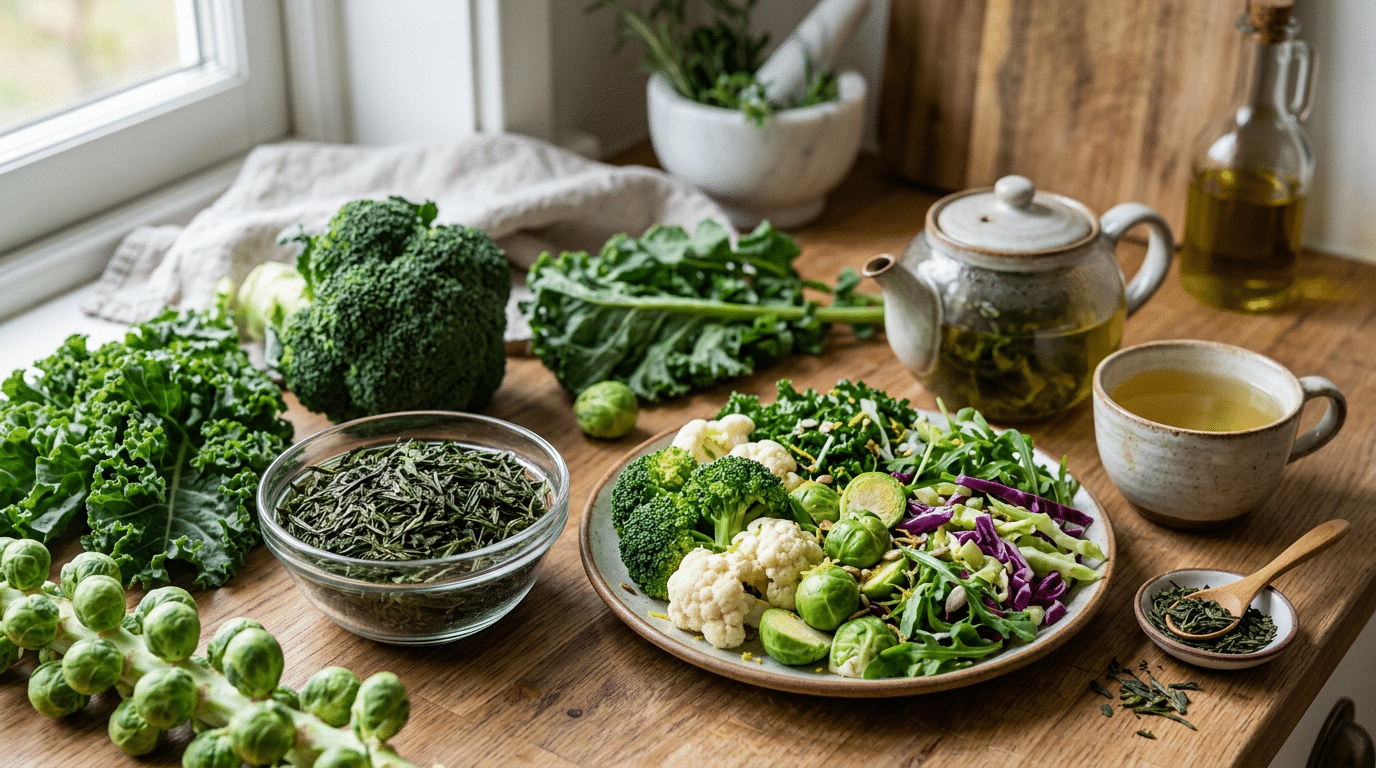
Green tea is one of the most studied plant-based beverages in relation to liver health. It is rich in catechins — a class of antioxidant polyphenol — with epigallocatechin gallate (EGCG) being the most prominent. Preclinical research, including work published in peer-reviewed biochemistry journals, has shown that green tea catechins activate a cellular pathway called Nrf2, which in turn increases the expression of Phase II detoxifying enzymes in liver tissue, including glutathione S-transferase, glutathione peroxidase, and superoxide dismutase. These enzymes bind toxins and facilitate their excretion from the body. It is worth acknowledging that high-dose green tea extract supplements have been associated with elevated liver enzyme levels in some human studies, underscoring the importance of consuming green tea as a beverage in moderate quantities rather than in concentrated supplement form.
Cruciferous vegetables — including broccoli, cauliflower, Brussels sprouts, and kale — contain sulforaphane and other sulfur compounds that assist the liver in detoxifying harmful substances. Research suggests that these compounds may help the liver regulate chemical levels and boost its capacity to break down both endogenous and exogenous toxins. Asparagus, while not a crucifer, is also notable in this context: it is a documented source of glutathione and is recognized for promoting kidney and bladder function, two attributes directly relevant to the body’s natural waste removal processes.
The detox-supportive foods discussed in this article operate through several distinct mechanisms: some boost Phase II enzyme activity (beets, cruciferous vegetables, garlic), some raise glutathione levels (citrus, asparagus, turmeric), some reduce oxidative stress on the liver (berries, green tea, turmeric), and some support physical waste elimination via fiber and digestion (leafy greens, legumes, seeds). No single food addresses all pathways simultaneously; dietary variety across these categories offers the most comprehensive support.
Legumes, Seeds, Nuts, and Ginger — Fiber, Omega-3s, and Digestive Support
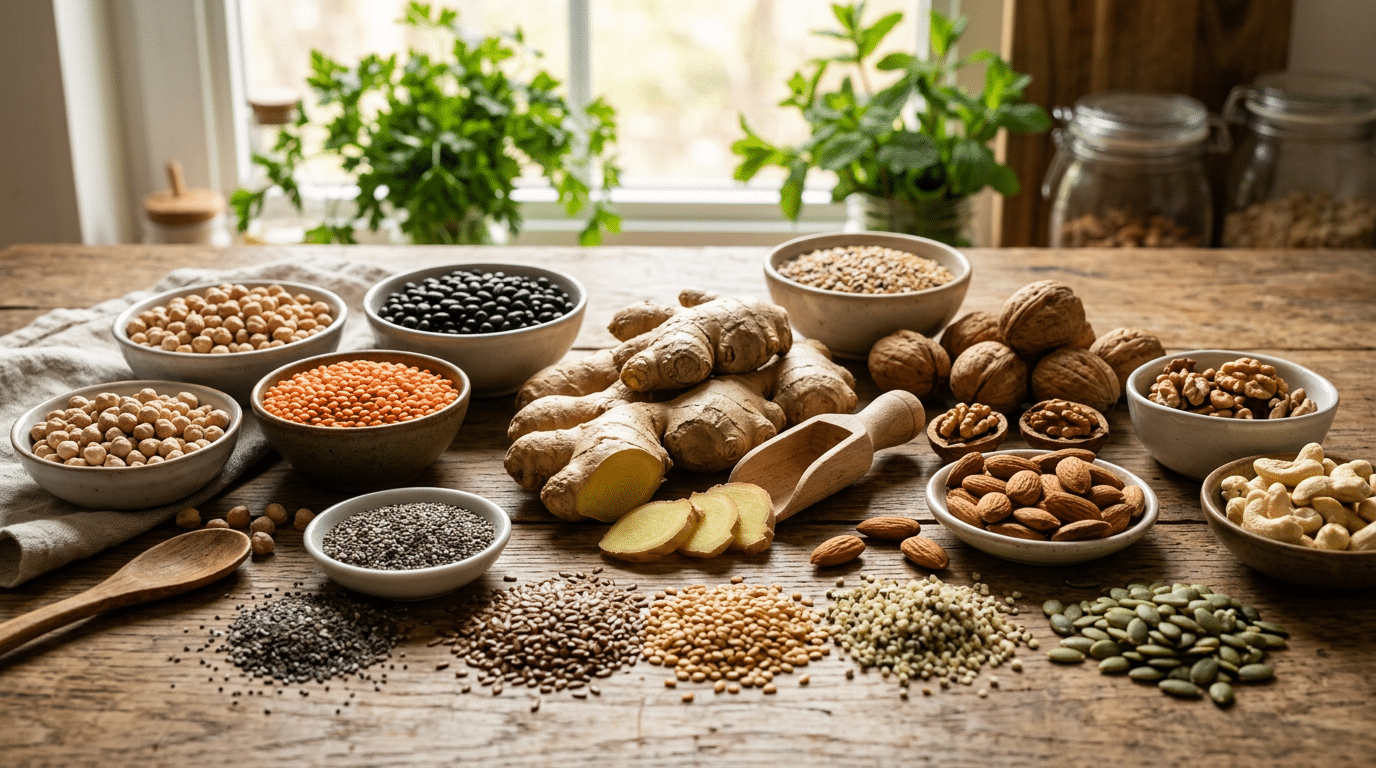
Legumes are a well-documented source of dietary fiber, folate, protein, and iron. Their high fiber content promotes bowel regularity, which is one of the body’s primary mechanisms for expelling toxins through waste elimination. The digestive system and colon work together to remove waste that the liver has processed into bile — fiber helps move that material through and out of the body efficiently, preventing reabsorption of waste compounds. Some legumes, including lentils, contain measurable amounts of molybdenum, a trace mineral that plays a documented role in the enzymatic breakdown of sulfite compounds and other substances processed in the liver.
Seeds such as flaxseeds and chia seeds contribute both dietary fiber and omega-3 fatty acids, the latter of which have anti-inflammatory properties that can reduce the oxidative burden on the liver and kidneys. Walnuts are similarly rich in essential fatty acids and antioxidants that have been associated with liver health support. Ginger, meanwhile, is recognized for its digestive properties and its primary active compounds — gingerol and shogaol — which have demonstrated anti-inflammatory and antioxidant effects in research settings. These compounds support the body’s defenses against oxidative stress, which is inherently elevated during active detoxification processes in the liver.
Why Adequate Hydration Remains the Most Accessible Tool for Supporting Natural Detox

Water is consistently identified in the clinical literature as one of the body’s most important and accessible detoxification tools. The kidneys filter waste products and toxins from the blood and excrete them through urine — a process that depends directly on fluid intake. Staying well-hydrated dilutes the urine, allowing the kidneys to flush out more toxins and reduce the risk of kidney stone formation. Water intake directly impacts how effectively the kidneys can remove metabolic waste such as urea and uric acid from the bloodstream. The liver also relies on adequate water levels to transport processed toxins into bile and to the kidneys for excretion.
A narrative review published in a peer-reviewed journal proposed that optimal total daily water intake should approach 2.5 to 3.5 liters per day to allow for the excretion of 2 to 3 liters of dilute urine, with urine color serving as a practical monitoring tool. Drinking 2 to 3 liters daily in steady amounts throughout the day — rather than large volumes at once — supports consistent kidney filtration without straining the organs. The lymphatic system, which assists with immune function and the removal of cellular debris, also benefits from adequate hydration, as fluid keeps lymph moving efficiently. Eating water-rich foods such as fruits and vegetables contributes meaningfully to overall hydration and, by extension, to the body’s natural waste-clearance mechanisms.
Diet Supports Detoxification — It Does Not Replace It
The body’s liver, kidneys, and associated organs perform detoxification continuously and do not require special cleanses or supplements to function. What they do require is an adequate and consistent supply of the nutrients, antioxidants, and water that enable their enzymatic processes to run efficiently. A varied diet inclusive of leafy greens, citrus fruits, garlic, turmeric, beets, green tea, cruciferous vegetables, fiber-rich legumes, seeds, and sufficient water provides the most evidence-aligned support for these natural pathways.
A Plate Built for the Body’s Own Detox Machinery
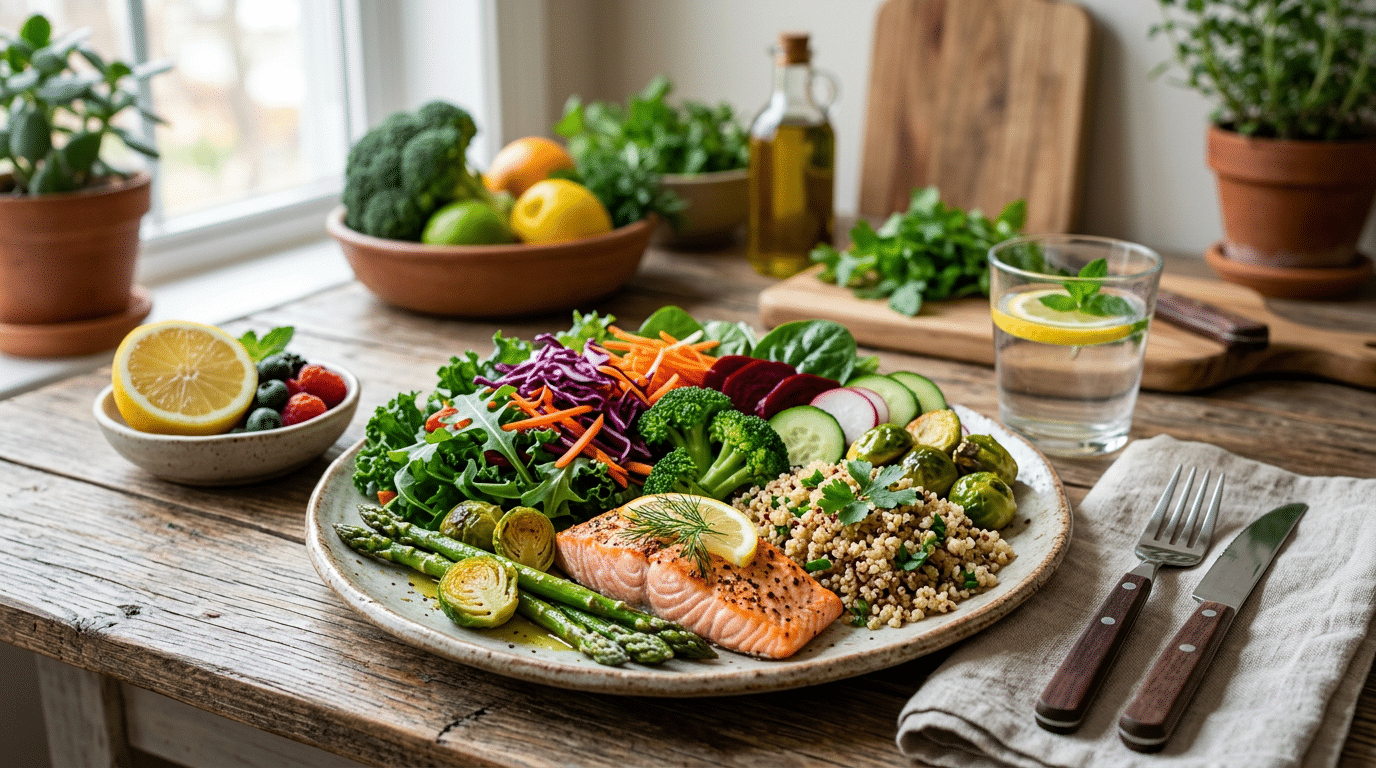
The best approach to supporting the body’s detoxification processes is not a dramatic reset or an expensive cleanse — it is the daily, consistent practice of eating a diet rich in antioxidants, dietary fiber, and the micronutrients that the liver, kidneys, and digestive system depend on to do their work. Foods like dark leafy greens, citrus fruits, garlic, turmeric, beets, green tea, broccoli, and legumes each contribute documented compounds — from betalains and sulforaphane to catechins and glutathione precursors — that research has linked to improved organ function, reduced oxidative stress, and more efficient waste elimination. Paired with consistent and adequate hydration, these dietary choices do not override the body’s natural systems; they give those systems the raw materials they need to operate at their best, day after day.