
As the sweltering heat of summer takes over, the importance of staying hydrated cannot be overstressed. When you think of hydration, what usually comes to mind is the image of a cold water bottle or perhaps a chilled sports drink. But did you know that you can “eat” your water, too? Indeed, hydration is not just about quenching your thirst with a drink but also about the foods you consume. ‘Eating your water’ is an effective and refreshing way to stay hydrated during the scorching summer heat.
The Importance Of Hydration

Your body is roughly 60% water. This vital fluid is crucial for almost every bodily function, including regulating body temperature, lubricating joints, and transporting nutrients. When you don’t consume enough water, especially during the hot summer months, your body can become dehydrated, leading to fatigue, dizziness, and even more severe health concerns like heatstroke.
The concept of dehydration often brings images of a parched throat and dry mouth, but the truth is that by the time you’re feeling thirsty, you might already be mildly dehydrated. Dehydration is more than just feeling thirsty; it can impair physical performance, cognitive functions, and overall well-being. That’s why it’s essential to keep hydration levels up, particularly in the heat.
Beyond The Water Bottle: The Concept Of “Eating Your Water”
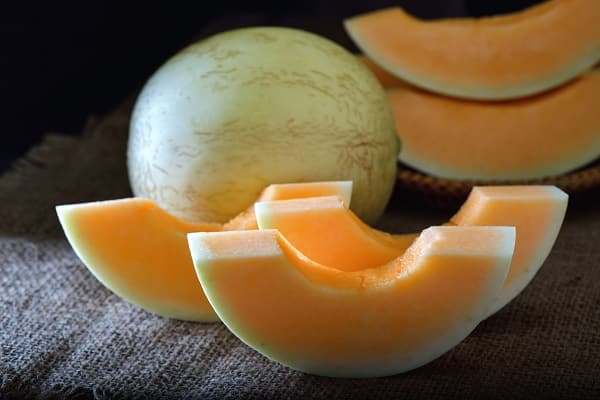
While it’s still crucial to drink plenty of fluids, you can also consume significant amounts of water through the foods you eat. Some fruits and vegetables are up to 90% water! This is not only an additional source of hydration, but consuming these foods can also provide valuable vitamins, minerals, and fiber that support overall health.
By “eating your water”, you can also take advantage of the slow-release hydration that these foods provide. Since the water in foods is trapped within a cellular structure, it is absorbed more slowly by the body, providing longer-lasting hydration than simply chugging a bottle of water.
Hydrating Foods To Add To Your Diet
To stay hydrated during summer, it’s useful to know which foods are high in water content. The following sections outline the top foods that can easily be incorporated into your diet for maximum hydration.
The Hydration Powerhouse: Cucumbers
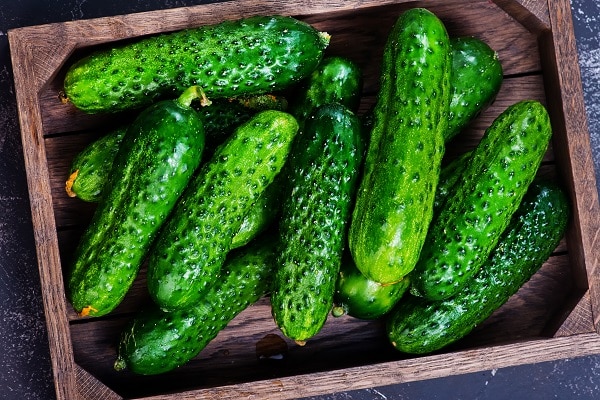
One of the champions in the hydration game is undoubtedly the cucumber. This common garden vegetable is composed of approximately 96% water, making it one of the most hydrating foods you can eat. But the benefits of cucumbers extend beyond just their water content. They are also a good source of vitamin K, vitamin C, and potassium, providing a nutritional boost with every bite. Plus, their crisp texture and refreshing taste make them a delightful addition to salads, sandwiches, and even beverages like infused waters.
The Summer Classic: Watermelons
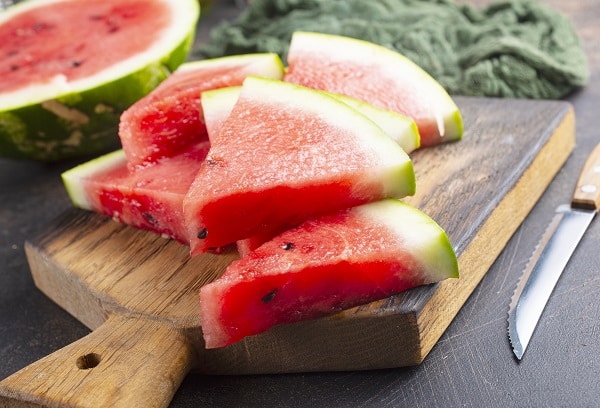
When it comes to summer and hydration, one fruit stands out: the watermelon. With about 92% water, this juicy and sweet fruit is the epitome of summer freshness. Watermelons are also packed with vitamins A and C and have a high content of lycopene, a potent antioxidant. The natural sweetness of watermelons can satisfy a sugar craving, making it a healthier dessert option. Plus, you can enjoy them in a variety of ways, from fresh slices to smoothies to salads.
The Small but Mighty: Strawberries
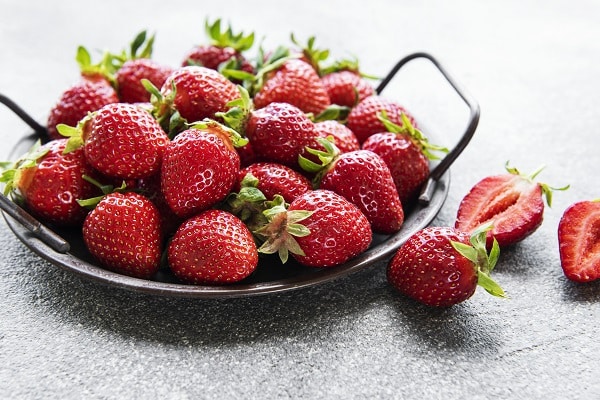
Don’t let their small size fool you; strawberries are a hydration hero. Like watermelon, they’re composed of about 92% water. They’re also an excellent source of vitamin C, manganese, and antioxidants. Strawberries add a sweet and tangy flavor to various dishes, from salads to desserts, and can even be used to flavor your water. Next time you’re feeling parched, reach for a handful of these ruby-red fruits for a quick hydration boost.