The Low-Cal Sweetness: A Closer Look at Sugar Alcohols

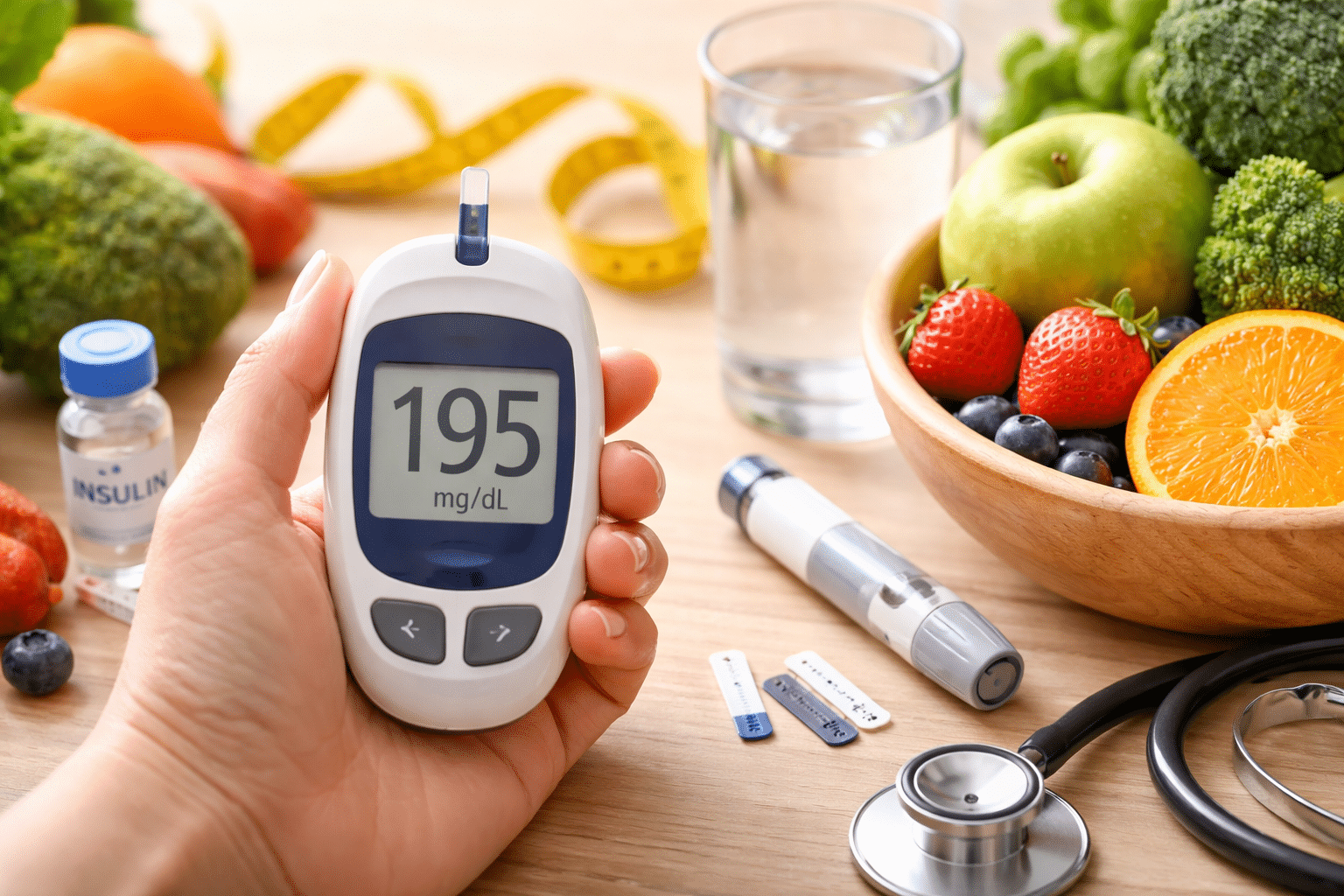
Sugar alcohols like erythritol and xylitol offer a middle ground between artificial sweeteners and sugars. Erythritol, which is almost non-caloric and does not affect blood sugar or insulin levels, can be an excellent sugar substitute for those watching their weight or managing diabetes.
On the other hand, xylitol provides about a third fewer calories than sugar and doesn’t cause a significant increase in blood sugar levels. However, it may cause digestive discomfort when consumed in large amounts and is highly toxic to dogs. Therefore, careful handling and use are recommended.
How To Switch To Natural Sweeteners
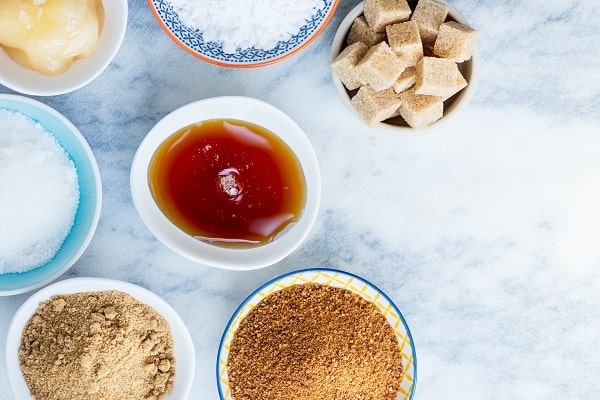
Transitioning from processed sugar to natural sweeteners might require some taste adjustments. Start by slowly decreasing the amount of processed sugar in your diet while gradually introducing natural sweeteners. Remember, each sweetener has a unique flavor and sweetness level, so you may need to experiment with amounts.
Additionally, pay attention to your body’s response. Some people might experience digestive discomfort when introducing new sweeteners, especially sugar alcohols. Start with small amounts and increase gradually to allow your body to adjust.
Natural Sweeteners In Baking
Substituting sugar with natural sweeteners in baking can be challenging, as sugar contributes to texture, moisture, and browning. Start by substituting only a part of the sugar and make adjustments as needed. Also, remember that natural sweeteners are often much sweeter than sugar, so you’ll need less.
Some sweeteners, like date sugar and coconut sugar, can impart a distinct flavor to your baked goods, which can be a delightful change. So don’t be afraid to experiment and adjust recipes according to your taste.