Plant-Based Sweetness: The Stories Of Stevia And Yacon Syrup
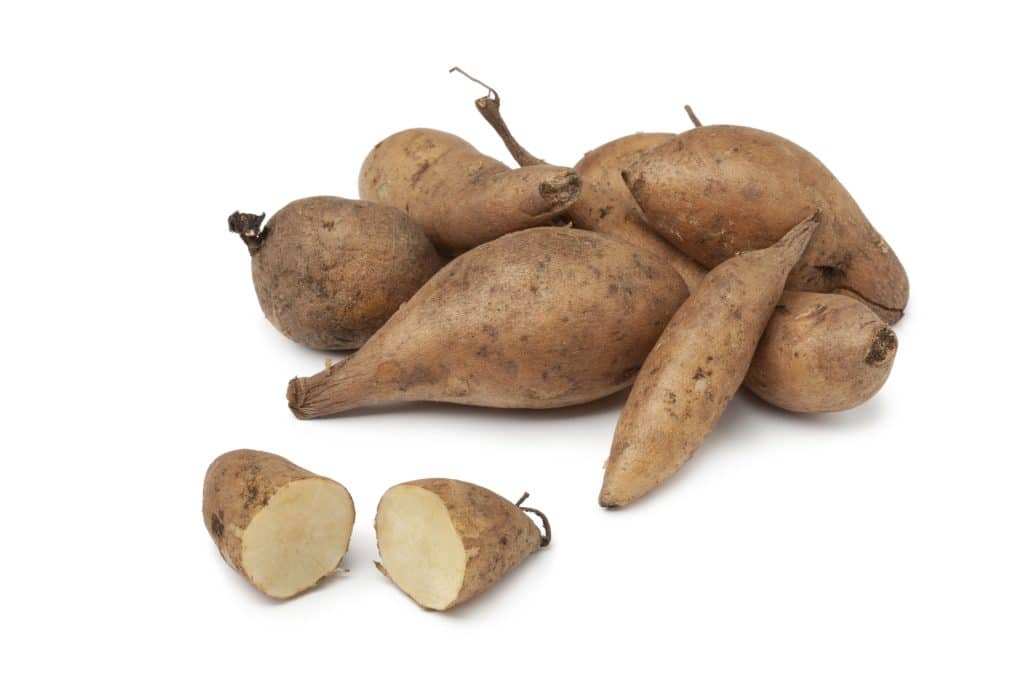
Stevia, originating from a South American shrub’s leaves, is a zero-calorie, carb-free natural sweetener. This intense sweetener can be up to 300 times sweeter than table sugar, making it a potent addition to your pantry. Especially popular among dieters and people with diabetes, stevia can fulfill sweet cravings without the caloric impact or blood sugar spike.
Meanwhile, yacon syrup, derived from the tuberous roots of the yacon plant, offers a sweet taste with a hint of fruitiness. It is rich in fructooligosaccharides, a type of prebiotic fiber that aids in promoting a healthy gut. Although yacon syrup has fewer calories than many other sweeteners, it can cause digestive discomfort if consumed excessively, so moderation is recommended.
Tropical Sweetness: Exploring Agave Nectar And Coconut Sugar

Agave nectar, produced from the sap of the agave plant, is a thick, honey-like sweetener with a delicate sweetness. While it does have a lower glycemic index than table sugar, it’s essential to remember that it is high in fructose. Too much fructose can lead to various health problems, including liver disease and insulin resistance. Therefore, agave should be used sparingly.
Coconut sugar, harvested from the sap of the coconut palm’s flower buds, is another tropical delight. It carries a hint of caramel flavor, adding a unique flavor profile to your dishes. Besides, it comes with a lower glycemic index and offers nutrients like iron, zinc, and potassium. However, just like any sweetener, it should be consumed with restraint due to its high-calorie content.
The Low-Cal Sweetness: A Closer Look at Sugar Alcohols
Sugar alcohols like erythritol and xylitol offer a middle ground between artificial sweeteners and sugars. Erythritol, which is almost non-caloric and does not affect blood sugar or insulin levels, can be an excellent sugar substitute for those watching their weight or managing diabetes.
On the other hand, xylitol provides about a third fewer calories than sugar and doesn’t cause a significant increase in blood sugar levels. However, it may cause digestive discomfort when consumed in large amounts and is highly toxic to dogs. Therefore, careful handling and use are recommended.
How To Switch To Natural Sweeteners
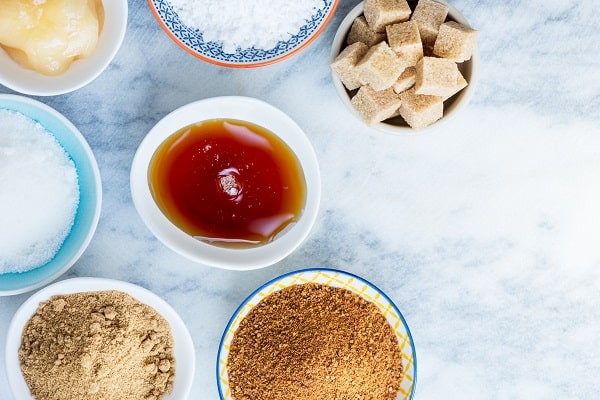
Transitioning from processed sugar to natural sweeteners might require some taste adjustments. Start by slowly decreasing the amount of processed sugar in your diet while gradually introducing natural sweeteners. Remember, each sweetener has a unique flavor and sweetness level, so you may need to experiment with amounts.
Additionally, pay attention to your body’s response. Some people might experience digestive discomfort when introducing new sweeteners, especially sugar alcohols. Start with small amounts and increase gradually to allow your body to adjust.
Natural Sweeteners In Baking
Substituting sugar with natural sweeteners in baking can be challenging, as sugar contributes to texture, moisture, and browning. Start by substituting only a part of the sugar and make adjustments as needed. Also, remember that natural sweeteners are often much sweeter than sugar, so you’ll need less.
Some sweeteners, like date sugar and coconut sugar, can impart a distinct flavor to your baked goods, which can be a delightful change. So don’t be afraid to experiment and adjust recipes according to your taste.
Potential Side Effects And Precautions
Despite their benefits, even natural sweeteners should be consumed in moderation. Excessive consumption can lead to digestive issues, especially with sugar alcohol. It’s also essential to note that some sweeteners, like agave nectar and honey, are high in fructose and can cause health issues if consumed excessively.
Individuals with specific health conditions, such as diabetes or irritable bowel syndrome, should consult their healthcare provider before making significant changes to their diet. Although natural sweeteners are generally healthier than processed sugar, they can still affect blood sugar levels and digestive health.
Consider Making The Switch To Natural Sweeteners!
Transitioning to natural sweeteners can be a valuable step towards better health. These sweeteners can provide nutrients and sweetness without the damaging effects of processed sugar. With a variety of options available, there’s a natural sweetener to suit every palate and dietary need. Remember, the key to a healthy diet is balance and moderation. Just because a sweetener is natural doesn’t mean you can consume it without limit. Pay attention to your body, and adjust your consumption as necessary. Here’s to a healthier, sweeter future!