

Educate Others About Plastic Pollution

Educating others about the dangers of plastic pollution is another powerful tool in reducing plastic use. Raising awareness can influence individuals’ habits and businesses’ policies, contributing to a larger cultural shift toward sustainability. Start by sharing information through social media, community forums, and discussions with friends and family. The message can resonate more deeply by presenting facts about the environmental impact of plastic, along with practical advice on reducing usage.
Workshops and educational programs can also be effective, especially when targeted at younger audiences. Schools are ideal venues for instilling a sense of responsibility towards the environment. Encouraging institutions to adopt more sustainable practices, like eliminating single-use plastics in cafeterias, can foster eco-friendly habits among students. This kind of community involvement spreads knowledge and encourages collective action.
Recycle and Dispose of Plastic Properly
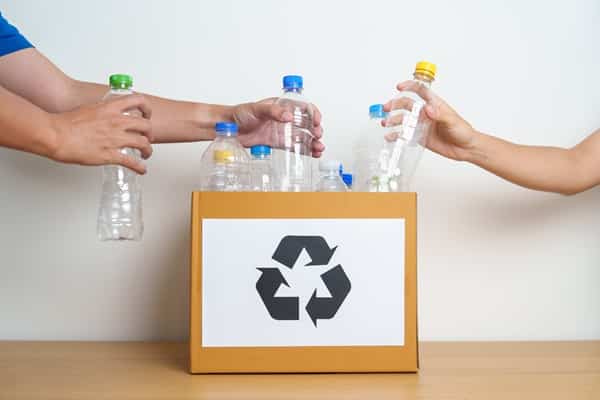
Understanding how to recycle and dispose of plastics properly is essential for minimizing the negative impact on the environment. Many people are unaware of the specifics of recycling, which can lead to non-recyclable plastics contaminating the recycling process. Educating oneself about the local recycling rules and regulations is a vital first step. This includes knowing which types of plastic your local facility can process and ensuring that plastics are clean and free from food waste before recycling.
Finding proper disposal methods for plastics that cannot be recycled is crucial. Some communities offer special collection days for materials that require special handling, like certain plastics, electronics, and hazardous waste. Participating in these programs ensures that waste is treated in a way that least impacts the environment. Moreover, learning about and participating in “take-back” programs where manufacturers reclaim used products can further reduce plastic waste.
Final Thoughts
Reducing plastic usage involves a series of lifestyle adjustments and conscious decisions that collectively contribute to significant environmental preservation. Individuals can make a substantial impact by assessing personal plastic use, opting for reusable alternatives, supporting legislative efforts, educating others, and recycling correctly. Through these daily actions, we can hope to mitigate the plastic pollution crisis. Embrace these strategies, advocate for change, and inspire others to join in reducing plastic consumption. The health of our planet depends on the choices we make today.