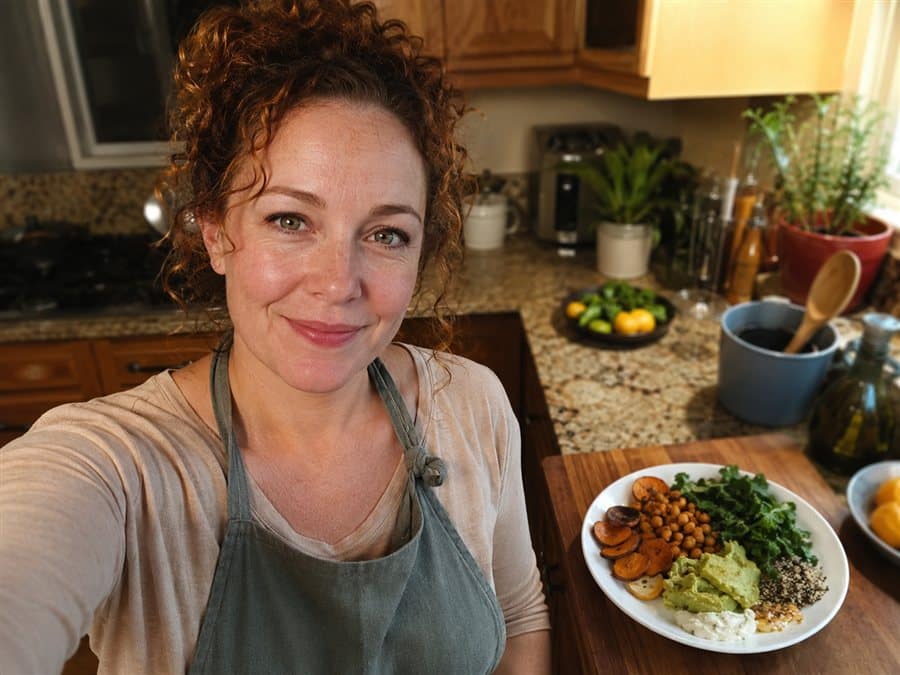
Growing your own kitchen garden offers a rewarding way to engage with your food directly, ensuring it is fresh and organic. You control what goes into the soil and onto your plants, making it a healthier choice for your meals. This guide provides step-by-step instructions to help both novice and experienced gardeners set up a garden that is easy to maintain and productive. From choosing the best spot in your home to harvesting your own produce, you’ll learn how to start a kitchen garden that fits your space and lifestyle, enriching your diet and providing a satisfying hobby.
Choosing the Right Location
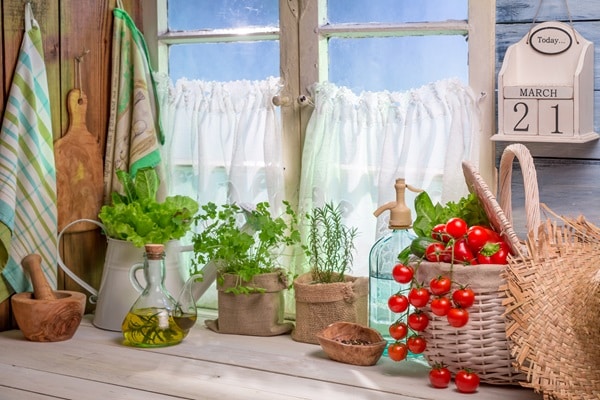
The success of your kitchen garden begins with choosing the right location. It’s essential to find a spot that receives at least six hours of direct sunlight daily, as sunlight is crucial for plant health and productivity. Avoid areas prone to strong winds, which can damage plants and accelerate soil drying. Also, consider the convenience of having your garden close to your kitchen or a water source, simplifying tasks like watering and harvesting.
In addition to environmental factors, think about the visibility of your garden. A location that you can easily see and access daily encourages regular care and interaction, which can be crucial for spotting issues early and enjoying your garden’s progress. If space is limited, explore vertical gardening or containers, which can be particularly effective on balconies or patios, allowing you to grow a variety of plants in compact areas.
Selecting Your Crops

Selecting the right crops involves understanding your local climate and seasonal weather patterns. Start with vegetables and herbs that are known for their resilience and suitability to your region. For beginners, herbs such as basil, cilantro, and vegetables like lettuce, radishes, and peppers are excellent choices due to their low maintenance and quick growth cycles.
You should also consider what you like to eat and what you frequently use in your kitchen. Growing your favorite herbs and vegetables not only ensures you enjoy the gardening process but also increases the likelihood of using your harvest effectively. Employ companion planting strategies—such as planting tomatoes with basil or carrots with onions—to naturally repel pests and enhance growth, maximizing your garden’s yield and health.
Soil Preparation
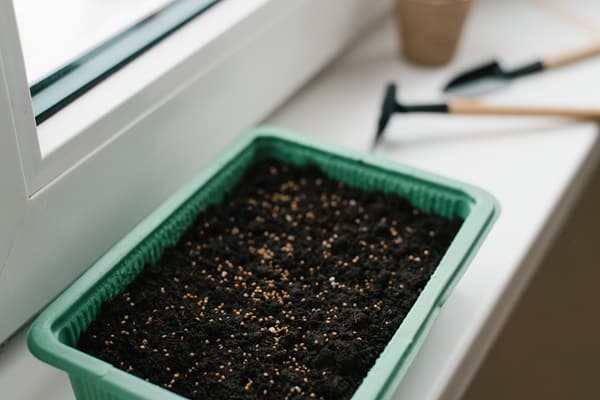
For an indoor kitchen garden, choosing the right soil is crucial as it determines how well your plants will grow. Opt for a high-quality potting mix that is specifically designed for indoor plants, which will ensure proper drainage and aeration. These mixes usually contain peat moss, perlite, and vermiculite, helping to keep the soil light and breathable while retaining adequate moisture. Regularly check the soil moisture with your finger—indoor environments can dry out soil more quickly than outdoors.
Maintaining nutrient levels in garden soil is also important since potting mix often lacks the diverse organic material found in outdoor gardens. Consider mixing in a slow-release organic fertilizer at the beginning of your planting season to provide a steady supply of nutrients. Additionally, top-dress your plants with compost or worm castings a few times a year to boost their nutrient intake without over-fertilizing, which can be harmful in a confined soil volume. Avoid compacting the soil when watering; instead, water gently to ensure the water distributes evenly without disturbing the root system or the soil structure.