Ensuring Adequate Vitamin B12 Intake

Vitamin B12, essential for nerve function and blood formation, is a nutrient of concern in plant-based diets due to its primary presence in animal products. Fortunately, there are several reliable plant-based sources of B12, including fortified foods like plant milks, breakfast cereals, and nutritional yeast. This section will explore these options in detail, ensuring that readers have a clear understanding of how to maintain adequate B12 levels.
Since plant-based sources of B12 can vary in their content and bioavailability, supplements are often recommended for those following a strictly plant-based diet. This blog will provide guidance on choosing the right supplement, understanding dosage, and the importance of regular blood tests to monitor B12 levels. Emphasis will be placed on the critical nature of this nutrient and the simple yet effective ways to include it in a plant-based diet.
Getting Enough Omega-3 Fatty Acids

Omega-3 fatty acids, crucial for heart health and cognitive function, are often associated with fish oil. However, plant-based diets can provide these essential fats through flaxseeds, chia seeds, hemp seeds, and walnuts. This section will detail how to include these foods in a daily diet and the importance of regular consumption for maintaining optimal health.
The difference between the types of omega-3s – ALA (alpha-linolenic acid) found in plants, and EPA and DHA found in marine sources – will be explained. For those on a plant-based diet, algal supplements are a direct source of EPA and DHA and can be a valuable addition. The importance of a balanced intake of omega-3 and omega-6 fatty acids for overall health will also be discussed, highlighting the role of dietary choices in achieving this balance.
Vitamin D: The Sunshine Vitamin
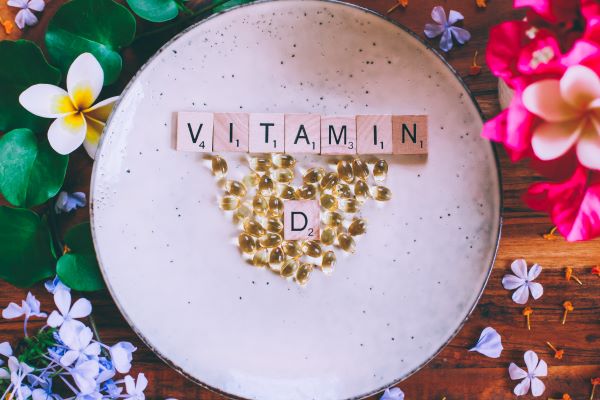
Vitamin D, known as the sunshine vitamin, is essential for bone health and immune function. While it is naturally obtained from sunlight, certain plant-based foods and fortified products can also contribute to vitamin D intake. This section will outline the limited but significant sources of vitamin D in a plant-based diet, such as fortified plant milks and some mushrooms exposed to ultraviolet light.
The challenges of obtaining sufficient vitamin D from diet and sunlight alone, especially in areas with limited sun exposure, will be addressed. Strategies such as regular sun exposure, consuming fortified foods, and taking supplements will be recommended. The importance of vitamin D for overall health, especially in the context of a plant-based diet, will be emphasized, along with tips for monitoring and maintaining adequate levels.
Balancing A Plant-Based Diet: Tips And Tricks

A well-planned plant-based diet can meet all nutritional needs, but it requires knowledge and attention to detail. This section will offer practical tips for meal planning to ensure a balanced intake of essential nutrients. It will cover the importance of variety in food choices, from whole grains and legumes to fruits, vegetables, nuts, and seeds.
Common pitfalls in plant-based diets, such as over-reliance on processed foods or under-consumption of certain nutrients, will be discussed. Strategies to avoid these pitfalls will be provided, such as focusing on whole, minimally processed foods and being mindful of nutrient-dense choices. The aim is to guide readers towards a healthful, satisfying, and nutritionally complete plant-based diet.
The Bottom Line
Adopting a plant-based diet can be a nutritionally sound and healthful choice, provided it is well-planned and diverse. This blog post has provided a comprehensive guide to obtaining all essential nutrients from plant sources, addressing common concerns and offering practical solutions. Key to success is diversity in food choices, understanding of nutritional content, and occasionally, supplementation. Regular nutritional monitoring is especially vital for those new to plant-based eating, ensuring a balanced and healthful diet that supports long-term well-being.