

Headaches, a frequent and often debilitating condition, can significantly impact daily life. While many turn to medications for relief, the role of diet in managing headache symptoms is increasingly recognized. This blog post delves into various foods known for their headache-relieving properties. From the anti-inflammatory benefits of turmeric to the essential nutrients in walnuts and spinach, an understanding of how these foods contribute to headache relief offers a natural approach to managing this common ailment. Incorporating these foods into a regular diet not only provides potential relief but also promotes a healthier lifestyle.
Turmeric
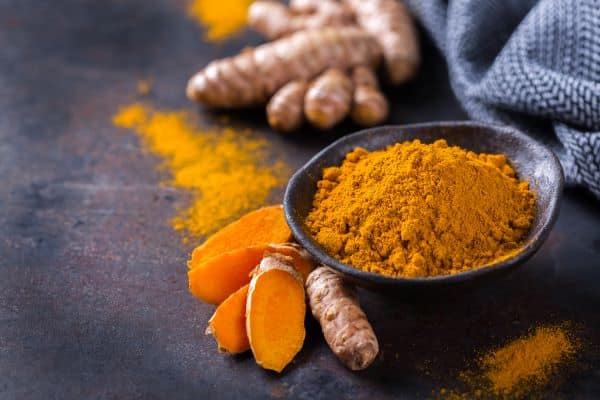
Turmeric, renowned for its bright color and unique flavor, is also a potent anti-inflammatory agent. Curcumin, the active component in turmeric, plays a key role in reducing inflammation, often a trigger for headaches. Research indicates that curcumin’s anti-inflammatory effects can be as potent as certain pharmaceuticals, offering a natural alternative for those seeking relief from headaches. Integrating turmeric into the diet is simple; it can be added to a variety of dishes, including smoothies and curries, making it a versatile option for natural headache relief.
Turmeric also enhances the body’s antioxidant capabilities, aiding in the management of headache symptoms. These antioxidants help fight oxidative stress, which is associated with migraines and other headache types. Regular consumption of turmeric, whether in meals or as a supplement, can help reduce both the frequency and intensity of headaches. Its availability and ease of incorporation into meals make turmeric a practical choice for anyone looking to use dietary means to manage headaches.
Walnuts
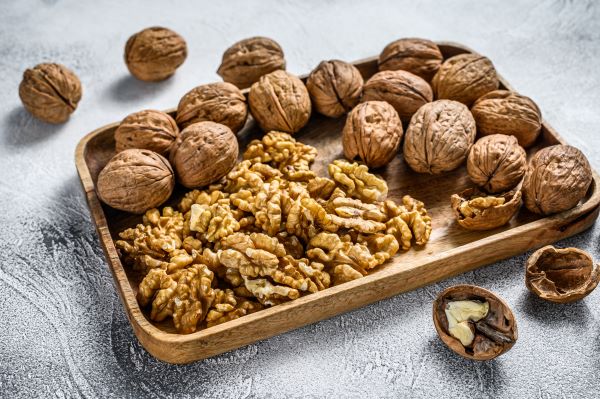
Walnuts are a nutritional powerhouse, especially rich in omega-3 fatty acids, which are crucial for reducing inflammation associated with headaches. The omega-3s in walnuts can decrease the frequency and severity of headaches, particularly migraines. Incorporating walnuts into the diet is easy; they can be enjoyed as a snack, added to salads, or mixed into breakfast dishes, offering a delightful crunch and rich flavor.
Besides omega-3 fatty acids, walnuts are also packed with magnesium, vitamin E, and other nutrients that support brain health and contribute to headache prevention. Regular consumption of walnuts can enhance overall well-being and aid in managing headache symptoms. Their natural, nutty taste and versatility in culinary applications make walnuts a preferred choice for a balanced, headache-preventive diet.
Spinach
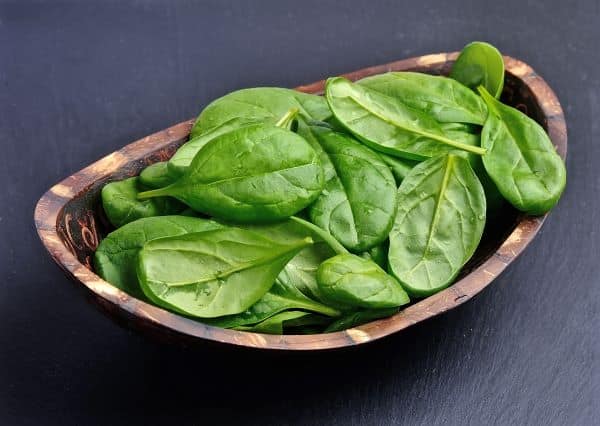
Spinach, a nutrient-dense leafy green, is high in magnesium, a mineral known for its effectiveness in preventing headaches, especially migraines. Magnesium’s role in nerve function and blood pressure regulation is crucial, as its deficiency can lead to increased migraine occurrences. Adding spinach to the diet, in forms such as fresh salads, cooked sides, or blended into smoothies, can help boost magnesium intake and potentially reduce the frequency of migraines.
Spinach is not only rich in magnesium but also contains iron and vitamin B2 (riboflavin), which are beneficial for overall brain health and can aid in managing headache symptoms. Consuming spinach, either raw for maximum nutrient retention or cooked for easier digestion, can be a simple and efficient way to incorporate essential nutrients into the diet. Its versatility and mild flavor make it an ideal ingredient for various dishes, contributing to its popularity in headache-preventive eating plans.