

Watermelon
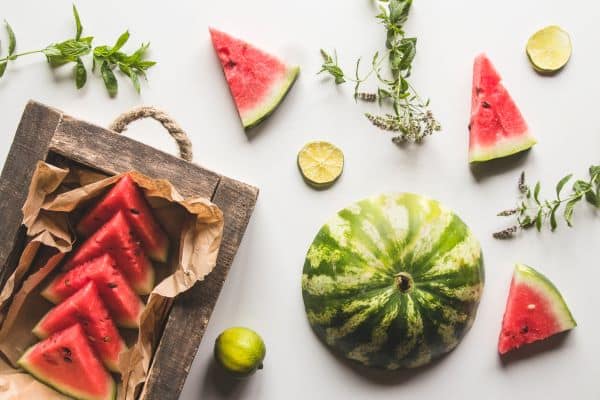
Watermelon, known for its hydrating properties, is an excellent food for preventing headaches, particularly those caused by dehydration. Headaches often result from dehydration, and consuming water-rich foods like watermelon helps maintain hydration levels. Watermelon is not only hydrating but also provides essential minerals like magnesium and potassium, which are important for nerve function and muscle relaxation, thereby helping to prevent headaches. Enjoying watermelon as a refreshing snack or incorporating it into salads and smoothies is a delicious way to stay hydrated and potentially reduce the likelihood of headaches.
Watermelon also offers natural sugars and electrolytes, which are important for maintaining energy levels and electrolyte balance. This balance is crucial in preventing headaches, often triggered by low energy or electrolyte imbalances. Watermelon’s convenience as a portable and easy-to-eat fruit makes it an excellent choice for those seeking natural headache remedies.
Pumpkin Seeds
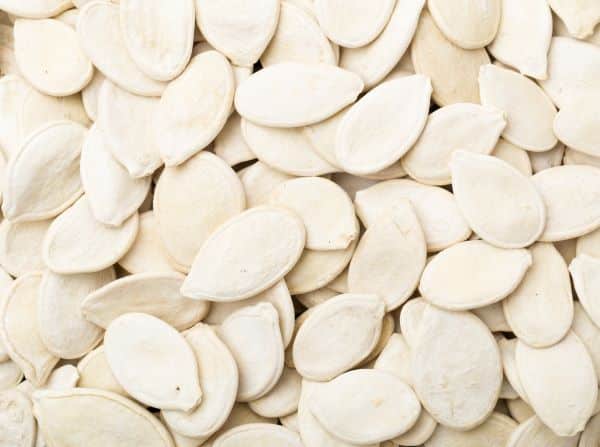
Pumpkin seeds are a valuable source of nutrients like magnesium and zinc, which are essential for headache prevention. High in magnesium, pumpkin seeds can help reduce the frequency of migraine attacks and alleviate headache symptoms. These seeds are a convenient snack and can be easily added to meals, such as oatmeal or salads, providing a crunchy texture and a nutty flavor.
Zinc, another important nutrient in pumpkin seeds, plays a vital role in brain health and can help reduce the severity of headaches. Regular consumption of zinc-rich foods like pumpkin seeds contributes to overall well-being and headache management. These seeds are also a source of healthy fats and antioxidants, making them a nutritious addition to any diet. Their versatility and health benefits make pumpkin seeds an ideal choice for those seeking to improve their diet for headache management.
Ginger
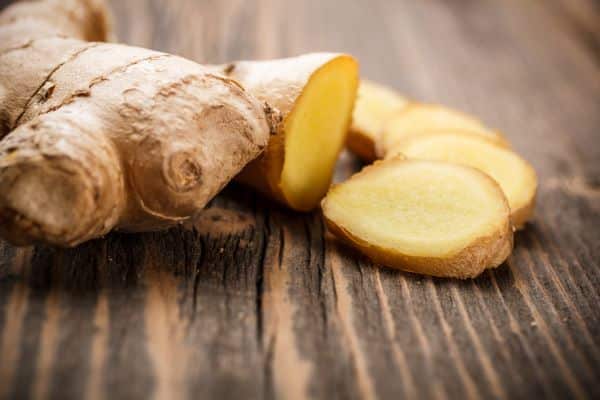
Ginger is a popular spice known for its effectiveness in reducing headache symptoms, especially those associated with migraines and tension headaches. Its anti-inflammatory properties help reduce inflammation and pain, which are common in headaches. Ginger can be consumed in various forms, such as fresh, powdered, or as a tea, making it a versatile addition to the diet. It is particularly effective against nausea, a frequent companion to migraines, enhancing its utility as a natural headache remedy.
Several studies support the benefits of ginger for headache relief, highlighting its ability to lessen the severity and duration of headaches. Incorporating ginger into the diet, whether in cooking or as a beverage, offers a natural and flavorful way to manage headache symptoms. Its strong flavor adds a distinctive touch to dishes, making it a favored choice for those looking for both culinary variety and health benefits.
Blueberries
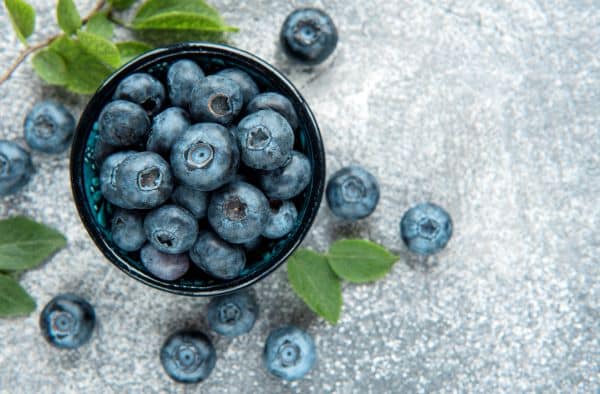
Blueberries are packed with antioxidants, particularly flavonoids, which can help reduce inflammation and oxidative stress, contributing factors to headaches. Regular consumption of blueberries can be beneficial for those prone to headaches, as these berries help address the triggers. Blueberries can be added to breakfast cereals, smoothies, or enjoyed as a snack, offering a tasty way to gain their headache-preventive benefits.
In addition to antioxidants, blueberries are a source of vitamins C and E, along with other nutrients that support overall brain health. This nutritional profile can assist in reducing headache frequency and improving cognitive function. The natural sweetness and health benefits of blueberries make them a favorable addition to a diet aimed at preventing headaches.
The Bottom Line
Concluding, the influence of diet on preventing and alleviating headaches is substantial. Each of the foods discussed, from the magnesium-rich spinach to the nutrient-dense walnuts, offers unique benefits for combating headache symptoms. Adopting a diet that includes these foods is a proactive approach to reducing the impact of headaches. It’s important to remember that these dietary changes should complement medical treatments and advice. For optimal health and headache management, consulting healthcare professionals for personalized dietary recommendations is always advisable.