
Challenges in Adopting a High-Fiber Diet

While the benefits of a high-fiber diet are clear, incorporating more fiber into one’s diet can sometimes pose challenges. Initial increases in fiber intake can lead to intestinal gas, bloating, and discomfort due to the fermentation of fiber in the colon. Such symptoms can discourage continued dietary changes, but they typically resolve within a few weeks as the body adjusts to higher fiber levels. It’s important for individuals to increase their fiber intake slowly and drink plenty of water to mitigate these effects.
Access to high-fiber foods can also be a barrier, particularly in areas where fresh fruits, vegetables, and whole grains are less available or more expensive. Educating oneself about the various sources of fiber, including lesser-known but highly nutritious foods like chia seeds, lentils, and quinoa, can expand options and ease the incorporation of fiber into the diet. Community resources like local farmers’ markets or community-supported agriculture programs can be valuable for obtaining fresh and fiber-rich products.
Fiber Supplements vs. Natural Sources
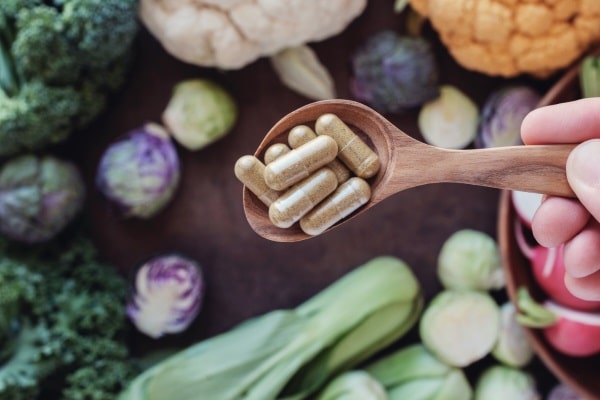
Deciding between fiber supplements and natural food sources is an important consideration for those looking to increase their fiber intake. Fiber supplements, such as psyllium husk, can be a convenient and effective way to increase fiber intake, especially for individuals who struggle to consume adequate amounts through diet alone. However, supplements should not replace high-fiber foods, which contain a variety of other beneficial nutrients like vitamins, minerals, and antioxidants that are not present in fiber supplements.
Natural sources of fiber offer more comprehensive health benefits compared to supplements. For example, eating whole fruits provides fiber along with vitamins and hydration, benefits that are not replicated with a fiber supplement. While supplements can be useful in specific situations, such as for people with severe dietary restrictions or certain medical conditions, incorporating a variety of fiber-rich foods is generally the best approach for most people. This strategy ensures the intake of a wide range of nutrients that contribute to overall health and well-being.
Success Stories and Practical Tips
The impact of a high-fiber diet on health is best illustrated through success stories from individuals who have experienced significant benefits. For example, many report improvements in digestive health, such as a decrease in IBS symptoms or chronic constipation, after incorporating more fiber-rich foods into their diets. Others have noted substantial weight loss and enhanced feelings of fullness that assist in maintaining a healthy weight. These anecdotes serve as powerful motivation for those considering dietary changes and highlight the tangible benefits of increased fiber intake.
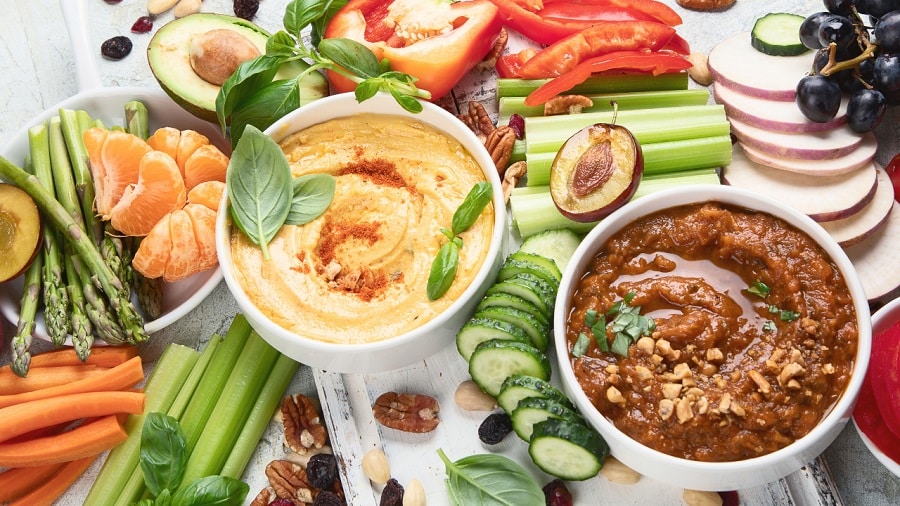
Here are some practical tips and easy-to-prepare recipes to facilitate the transition to a high-fiber diet. Start by introducing one high-fiber meal a day, such as breakfast oatmeal with berries and flaxseeds or a lunch featuring a hearty lentil soup. For snacks, opt for raw vegetables with hummus or a small handful of nuts. Incorporating diverse fiber sources like these not only ensures a broader range of nutrients but also keeps meals interesting and flavorful.
Embracing a Fiber-Rich Future
The myriad health benefits of a high-fiber diet are undeniable, ranging from improved digestive health to reduced risk of chronic diseases like diabetes and heart disease. By understanding the types of fiber and their benefits, acknowledging the recommended intake levels, and overcoming common challenges associated with dietary changes, individuals can significantly enhance their health. It’s time to embrace a fiber-rich future by integrating more whole grains, fruits, vegetables, and legumes into your diet. Start small, make consistent changes, and watch as your health transforms.