A vegan diet is a plant-based diet that excludes meat, eggs, dairy products, and any other animal byproducts. A common misconception about veganism is that it provides low protein content. There are many high protein foods available on a vegan or plant-based diet that do not contain meat. Here are some of the best, high-protein foods available on a vegan diet.
Green Peas

Green peas are an excellent source of protein, providing 8 grams per cup. They are also a good source of dietary fiber, vitamin A, and vitamin C. They’re one of the best sources of vitamin K available on a plant-based diet. In addition to being a healthy snack or side dish, they can be used in soups and other recipes. You can eat them raw or cook them into dishes that require more extended preparation.
Avocado

This creamy fruit is commonly used as a spread for toast and sandwiches. While most people don’t think of it as a protein source, avocado contains 4 grams per cup! Avocado also provides healthy doses of vitamin K, folate, and potassium. It can be paired with many foods to provide a creamy texture without the animal fat found in most cheeses and spreads.
Beans

Beans are an excellent source of protein and fiber that contain 13 grams of protein per cup. They’re also high in iron, magnesium, zinc, potassium, copper, phosphorus, manganese, and riboflavin. Beans come in many different varieties and can be purchased whole, mashed, ground into flour, or refried beans. They’re a great source of protein for those following a vegan diet.
Spirulina

Where do you think fish get their omega-3 fatty acids? From seaweed! Spirulina is a blue-green alga that is incredibly high in protein, containing up to 60% by weight. It also contains high gamma-linolenic acid (GLA), an essential fatty acid with anti-inflammatory properties. Spirulina can be taken as a supplement or added to smoothies or juices for an added protein boost.
Hemp Seeds

Hemp seeds are another source of omega-3 fatty acids, containing 10 grams of protein per 3 tablespoons. They’re also rich in iron, magnesium, zinc, potassium, phosphorus, and calcium. While they are typically used raw or as hemp butter, flaxseeds can be ground into flour for baking or cooking purposes. Hemp seeds can be added to smoothies, cereal, pasta made from whole grain flour, bread, and other baked goods.
Lentils
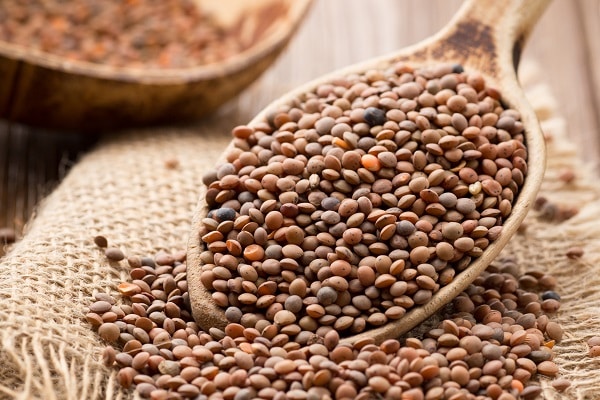
Lentils are an excellent source of protein, providing 18 grams per cup. Lentils also contain vitamins and minerals such as folic acid, magnesium, potassium, copper, phosphorus, zinc, thiamine, and pantothenic acid. Lentils have been shown to reduce cholesterol while increasing the body’s ability to digest carbohydrates more efficiently. They’re incredibly versatile – lentil soup is famous for a good reason!