
Be Aware Of Your Nutritional Needs

As someone interested in transitioning to a vegan lifestyle, it is important to familiarize yourself with the nutritional needs of such an undertaking. Understanding how to obtain those nutrients through different food sources and eating patterns is also a good idea. Doing so will help you to meet your nutritional requirements while selecting only plant-based foods. Many vegan nutritionists recommend getting most of one’s nutrition from whole-food sources, including grains, legumes, fruits, vegetables, and plant-based fats and proteins.
Additionally, understanding which vitamins and minerals are more difficult for vegans to obtain, such as vitamin B12, iron, and calcium, could help add additional items necessary to ensure proper nutrition. Taking time to understand what your body needs to function optimally will help you successfully navigate this journey and feel great along the way!
Start With Small Swaps

The switch to a vegan lifestyle can be overwhelming for some, with so many animal-derived products in the average diet. However, taking small steps towards it and making simple swaps along the way can help make transitioning easier. For example, you could opt for an almond or soy alternative instead of buying your usual milk for your morning coffee. Of course, this isn’t a significant change, but it’s still one small step toward a vegan lifestyle.
You could also try vegan versions of your favorite foods, like vegan cheese or meatless burgers. These options are widely available and help reduce your reliance on animal products without making you feel like you’re missing out on anything. In time, swapping out all animal-derived items in favor of vegan alternatives will become a habit. Then, you’ll be on the path to a healthier lifestyle without stress or anxiety!
Manage Your Expectations
Transitioning to a vegan lifestyle can be an exciting journey, but unfortunately, expectations that are set too high can make it more difficult. It is important to understand that each individual’s experience of transitioning to veganism will be unique, and it may take some time to adjust and settle into it. Having realistic expectations is critical in successfully transitioning to a vegan lifestyle.
Allowing yourself this grace period, where you don’t need to know everything immediately or feel like you have ‘failed’ because of minor indiscretions, helps you assess the dietary requirements you need. Furthermore, it allows you to identify the kinds of food, meals, and products that are right for you.
Create A Meal Plan
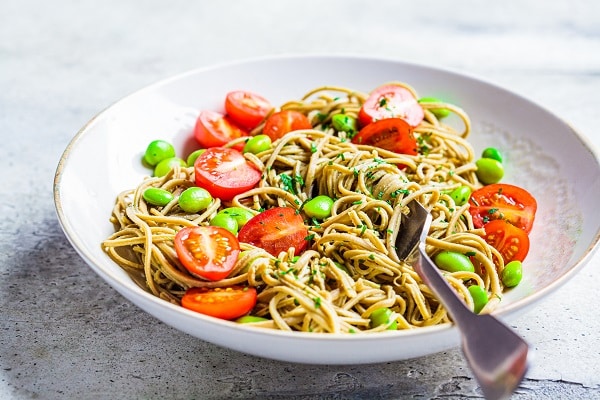
Once you have a few weeks of experience with a vegan lifestyle, creating a meal plan conducive to these new dietary requirements is a good idea. A meal plan will help you feel more organized and prepared for the week ahead, making it easier to stick with your new diet. Some practical ways to create this meal plan include looking at recipes online, speaking with a nutritionist or dietitian, and gathering ideas from vegan friends and family.
And if you don’t have access to other vegans or a nutritionist, that’s okay! There are plenty of online forums and communities that you can use to your advantage, including vegan cookbooks and blogs. Ultimately, finding reliable sources of information about a vegan lifestyle will continue long after you’ve made the initial transition.
The Transition To A Vegan Lifestyle Doesn’t Have To Be Hard!
If you’re thinking about transitioning to a vegan lifestyle, there are many ways that you can make the process easier and more successful. While you don’t have to do all of these at once, incorporating some of these tips throughout the coming days or weeks can make the transition easier and smoother. Whether making small swaps or setting realistic expectations, there are many ways to transition into a vegan lifestyle successfully. So why wait? Start exploring your new vegan lifestyle today and feel great on your journey toward better health!