

Peanuts And Almonds

Peanuts and almonds are among the most well-known plant-based sources of protein. They both contain healthy fats, calcium, zinc, vitamin E, and many other essential minerals and vitamins. Peanuts have seven grams of protein per ounce, while almonds provide six grams per ounce, making them excellent nutritional choices for vegetarians and vegans who don’t get as much protein from non-plant-based sources.
Eating these nuts also helps reduce bad cholesterol in the body, which helps control your overall cholesterol levels. Furthermore, routine consumption of peanuts and almonds can help manage blood sugar levels by steadily releasing glucose into the bloodstream instead of an abrupt spike. Other beneficial health effects associated with these superfoods include reduced risk of heart disease and improved brain function due to the presence of muscle-building omega fatty acids and B vitamins.
Spirulina
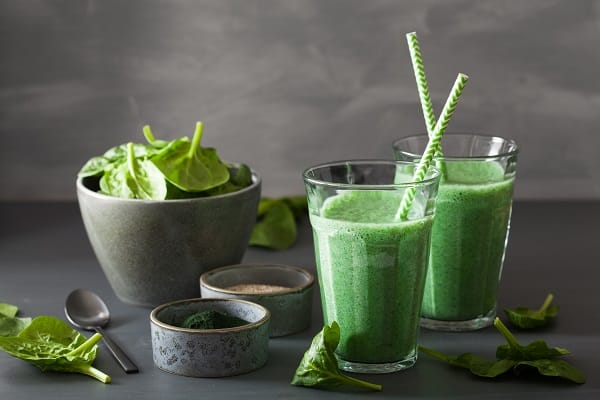
Spirulina is a nutrient-rich source of plant-based protein and other essential vitamins, minerals, and antioxidants. Gram for gram, it contains more protein than beef, chicken, or fish, making it an ideal source of complete protein for vegans or vegetarians. Rich in B vitamins like thiamin, niacin, and riboflavin, spirulina is an excellent source of energy for your body and mind. Additionally, it’s packed with antibacterial compounds that can help fight infections and improve digestive system health.
High in gamma linoleic acid (GLA), spirulina also helps reduce inflammation associated with allergies, arthritis, and other autoimmune conditions. Studies have even indicated that it may help increase metabolism and has antioxidant properties to protect the body from cell damage due to oxidative stress caused by pollution. With such a potent combination of nutrition and disease-fighting potentials, no wonder spirulina is so high on the list of plant-based sources of protein!
Hemp Seeds
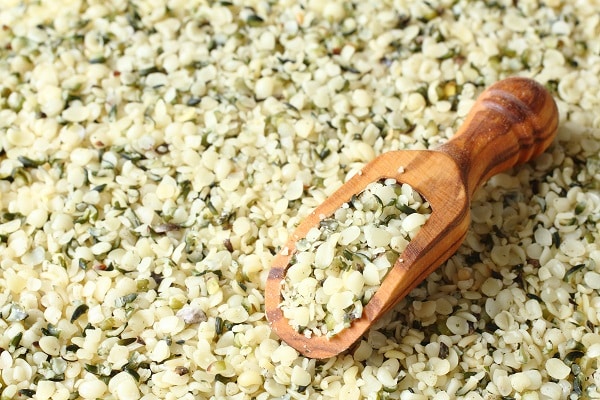
Hemp seeds are an amazing superfood: they are not only packed with protein but with other vitamins and minerals as well! They are one of the best plant-based sources of protein available, containing all twenty amino acids. They also have an outstanding balance of Omega-6 to Omega-3 essential fatty acids—providing a 3:1 ratio. There is even evidence that shows that hemp seeds can be beneficial for your heart health, as the Omega-3 fatty acids can help lower bad cholesterol (LDL) levels and promote good cholesterol (HDL). Studies suggest that these fatty acids also play a role in reducing inflammation throughout the body.
Additionally, hemp seeds contain iron, magnesium, calcium, and zinc, which all help support your immune systems, build strong bones and reduce fatigue. Eating hemp seeds is a great way to get an array of nutrients while giving your body a dose of plant-based proteins
Oats
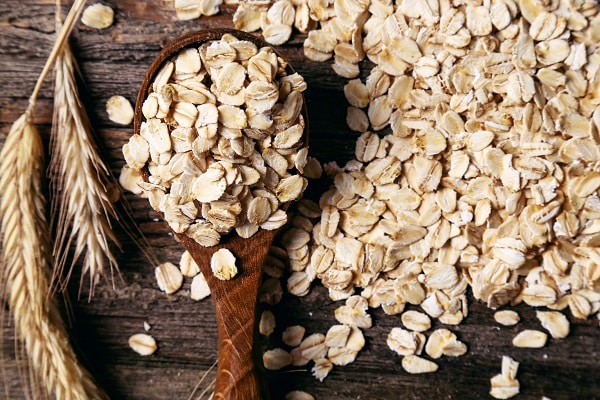
Oats are some of the most nutrient-dense plant-based sources of protein available. A single cup of oats contains 16g of protein, making up 30% of their overall calories. Evidence shows it increases energy throughout the day, reducing fatigue after a workout or a long day at work. Oats also have many other beneficial nutritional qualities. They are full of vitamins, minerals, and antioxidants which can aid digestion and help regulate blood sugar levels while providing a lasting feeling of fullness and reducing cholesterol levels.
Not only are oats incredibly nutritious, but it is also incredibly versatile in food recipes. From breakfast bowls to baked goods, this plant-based source can be incorporated into almost all meals for a delicious boost of protein and needed nutrition. All these features make this type of grain one of the most popular plant-based protein sources – truly making them a great choice for everyone, regardless of age or lifestyle!
Reap The Benefits Of These Plant-Based Sources Of Protein
When it comes to nutrition, plant-based sources of protein are an excellent way to provide your body with the essential nutrients needed for growth, immune function, and energy levels. They can also be beneficial in reducing the risk of diseases like heart disease, diabetes, and cancer. So start incorporating these top plant-based sources of proteins into your diet today!