Monk Fruit Sweetener
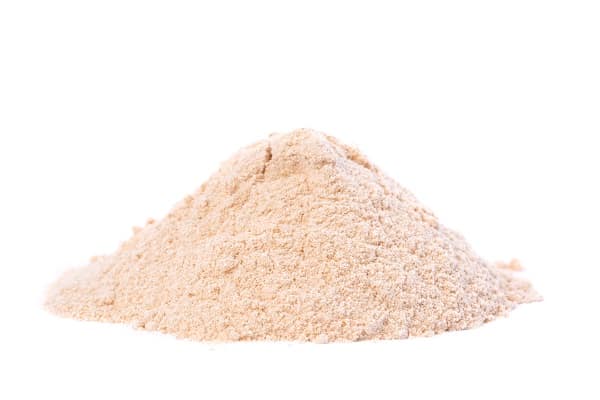
Monk Fruit Sweetener, derived from a small melon native to Southeast Asia, offers a sweetness that is significantly more potent than sugar. The beauty of Monk Fruit Sweetener lies not only in its zero-calorie profile but also in its potential health benefits, including anti-inflammatory properties.
The intensity of Monk Fruit Sweetener’s sweetness means that a little goes a long way. It’s important to adjust usage accordingly to avoid overwhelming the taste buds. This sweetener is an excellent option for people with diabetes, those following a ketogenic diet, or anyone looking for a healthy way to satisfy their sweet tooth.
Yacon Syrup
Derived from the yacon plant of South America, Yacon Syrup offers a sweet, slightly earthy flavor. What makes this syrup unique is its high levels of fructooligosaccharides, a type of sugar molecule that the human body cannot fully digest. This means that Yacon Syrup is low in calories and has a lower glycemic index than many other natural sweeteners.
However, what truly sets Yacon Syrup apart are its prebiotic effects, which can support gut health. It’s also been associated with potential benefits for weight loss, although more research is needed. Like other sweeteners, moderation is key, as consuming too much can lead to digestive discomfort.
Honey
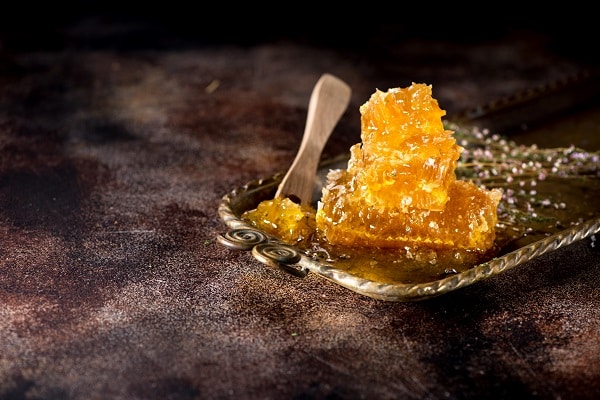
No list of natural sugar substitutes would be complete without Honey, one of the most ancient and widely recognized sweeteners in the world. Not only does it offer a unique, rich flavor that enhances various dishes and drinks, but it also comes with a range of nutritional benefits, including antioxidants.
However, despite its many advantages, Honey is high in calories and should be used sparingly. It’s also important to remember that Honey can trigger allergies in some people and should not be given to children under one year of age due to the risk of botulism.
Maple Syrup

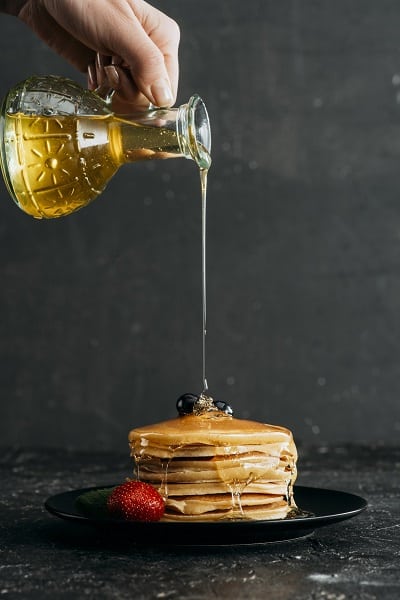
A favorite in many households is Maple Syrup, a natural sweetener that offers a unique, complex flavor profile. Derived from the sap of the sugar maple tree, this sweetener not only enhances pancakes and waffles but can also add depth to a variety of dishes. It’s rich in minerals, including manganese and zinc.
Despite its benefits, Maple Syrup is high in sugar. Therefore, it should be used in moderation. It also has a pronounced flavor, so it may not be the ideal choice for every dish. As always, balance is key when it comes to incorporating these sweeteners into the diet.
Coconut Sugar
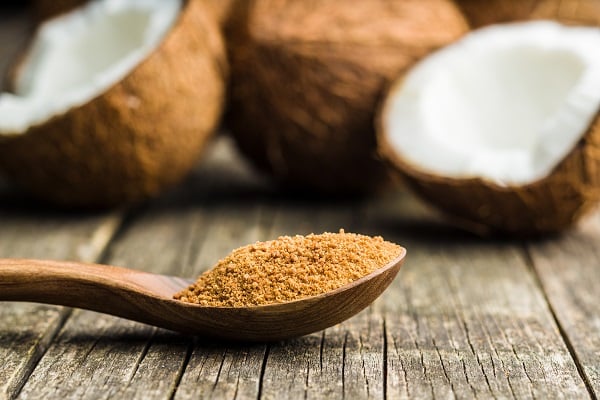
Last but not least, Coconut Sugar is a natural sweetener derived from the sap of the coconut palm. It’s touted for its lower glycemic index compared to conventional sugar, meaning it’s less likely to spike blood sugar levels. It also contains small amounts of minerals and antioxidants.
However, it’s important to remember that, despite these benefits, Coconut Sugar is still high in calories and should be consumed in moderation. Its caramel-like flavor also makes it a more suitable replacement for brown sugar rather than white sugar.
Conclusion
Choosing the right natural sugar substitute involves considering both health and taste preferences. Each of these eight alternatives offers unique benefits and flavors, providing an abundance of options for anyone looking to reduce their sugar intake or simply diversify their sweetening options. With a little experimentation, anyone can find the perfect natural sweetener to match their tastes and dietary needs. Here’s to enjoying sweetness in a healthier way!