
Oxidising
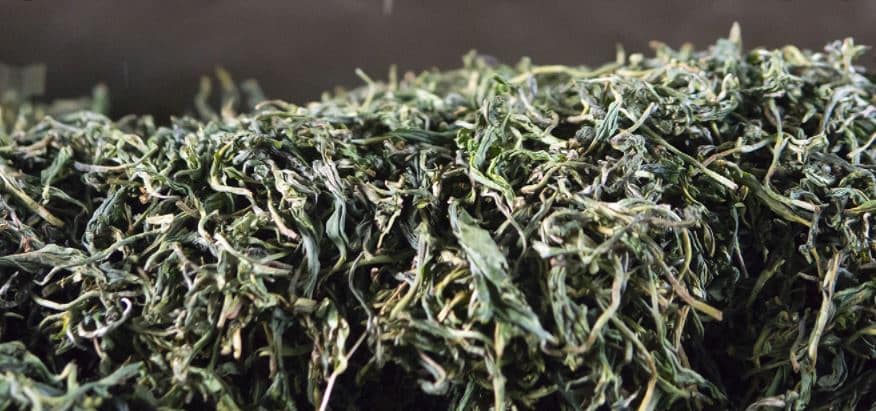
This step is solely responsible for granting the tea leaves their brown color and increasing the concentration of the flavors. All the vaporous components found in it start changing the cells of the leaves that expose to air. The manufacturers control the amount of oxidation to surface the particular levels of flavors. The fermented leaves are moved to a panning trough to get the leaves heated and dried to slow the process.
The colors of the teas keep on changing depending on the level of oxidation. The ones that are fully oxidized have a blackish-brown color, the semi-oxidized form a yellow-amber liquor, while the less oxidized ones are primarily green in color.
Fixing
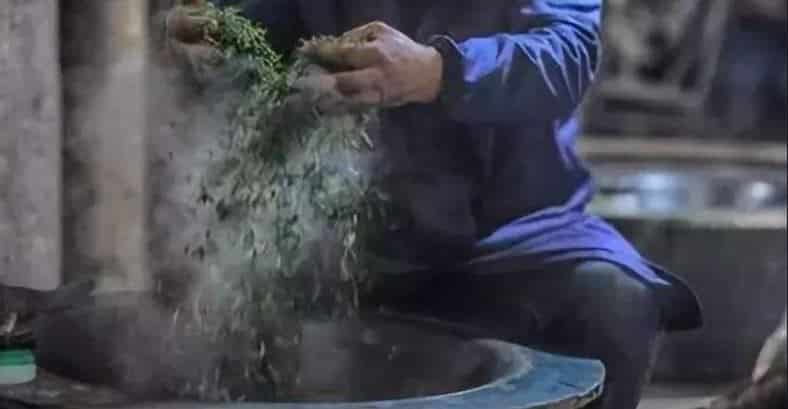
The leaf is warmed to end the oxidation process. Denaturation of enzymes occurs on heating, and that in turn stops the oxidation. Oxidation turns the leaf brown. Except for black tea, this step is common for all. In the formation of black tea, the ultimate drying step is to stop the oxidation slowly. This step is also sometimes known as the kill green procedure. But contrary to the name, this process safeguards the green color left in the leaves.
Some differences are continuously formed from the procedure of heating. Indeed, the Japanese green teas with steamed leaves will taste different from the Chinese ones that go through a roasting process.
Again, many new flavors strike your taste buds when the leaves are fried in a wok. The chances of improvement and new ideas are simply endless. So, the manufacturers can find an infinite number of styles.
Drying
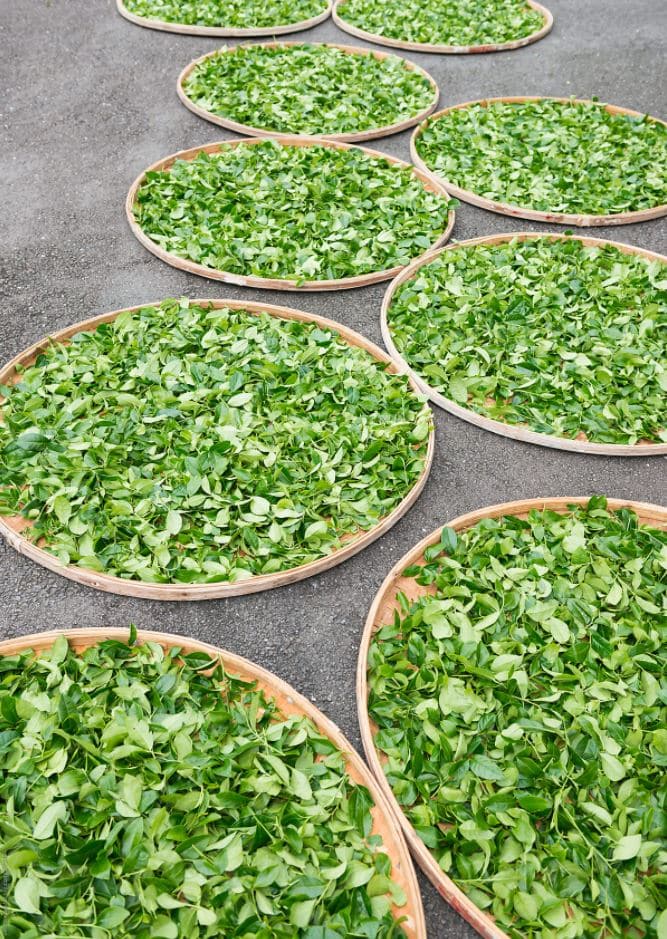
Finally, the remaining moisture has to be removed from the tea leaves and give a shelf life to make it shelf steady. Now, heating the tea again can have a drastic impact on its flavor. The charcoal roasting process mainly does this process. It grants a noticeably rich quality to the taste of the beverage. It may seem like a rough process. But this process can be very gentle too, but that will not lead to any addition to the tea’s flavor. An excellent example of this is white tea. It is given a traditional roast by sun drying.
After completing drying, the tea is headed towards packaging, based on its variations in its formation steps. By these procedures, a tea leaf can get different flavors in different ways. Modern tea makers are still trying to make different flavors after mixing all the steps mentioned above in non-traditional manners.
The Bottom Line
The importance of tea in our daily life is not unknown to anyone. And tea production is an important sector that employs several thousand people. Tea production is a critical process where a slight change in any parameter can result in the profit or loss of the complete production batch. The producers vary from place to place, and their productions also range for implementing unique methods. The real deal is for the customers that find out which tea suits their taste buds the best.