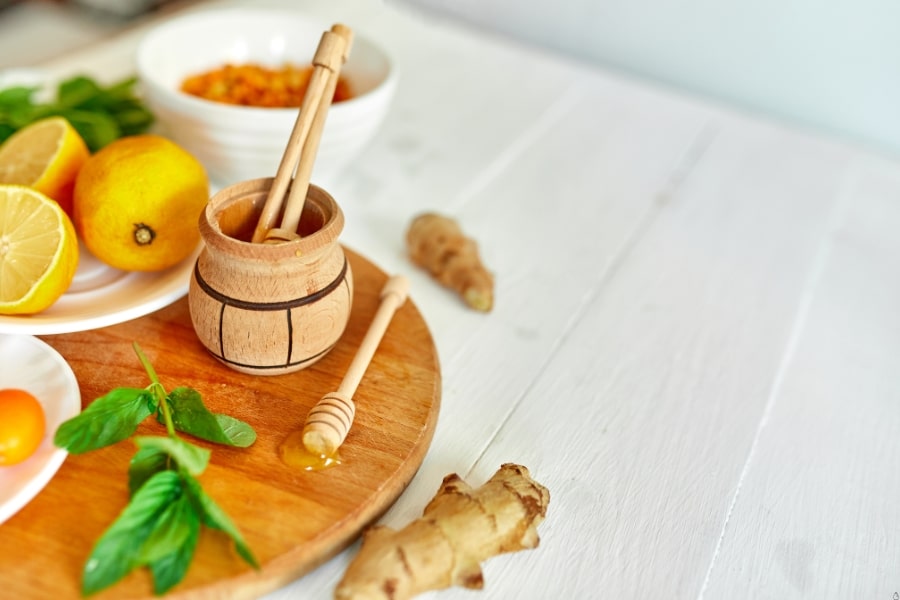

Oranges

Oranges are celebrated for their high Vitamin C content, a potent antioxidant known to enhance immune defense mechanisms. This essential nutrient aids in the production of white blood cells, which are critical for fighting infections. Furthermore, Vitamin C acts as a protective shield against environmental oxidative stress, potentially reducing the duration and severity of common colds. Oranges, with their refreshing taste and nutritional profile, are an excellent addition to a health-conscious diet.
Creative dietary inclusion extends beyond direct consumption. Oranges can be seamlessly integrated into various recipes to enrich flavor and nutritional value. From zesty smoothies and fruit salads to being used as a tangy dressing or marinade, the versatility of oranges ensures they can be enjoyed in numerous ways. This adaptability not only caters to different taste preferences but also encourages regular consumption, contributing to immune system support.
Spinach
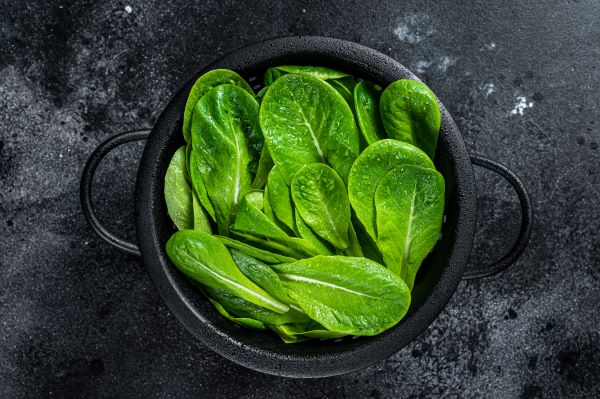
Spinach is a nutrient-dense leafy green, abundant in vitamin C, antioxidants, and beta-carotene. These nutrients are essential for immune function, as they contribute to the immune system’s ability to fight off infections more effectively. Spinach is also versatile and can be incorporated into the diet in various forms, whether raw in salads or smoothies, or lightly cooked in dishes. The cooking process can increase the availability of some nutrients in spinach, making it easier for the body to absorb them.
To retain the maximum nutritional value of spinach, it is best consumed raw or lightly cooked. Cooking methods such as steaming or sautéing quickly can preserve its flavor and nutritional content, including important vitamins and antioxidants. Spinach can be a subtle addition to many dishes, enhancing meals with its nutritional benefits without overwhelming other flavors. Whether used in omelets, pasta, or as a base for a salad, spinach offers a simple yet effective way to boost dietary intake of immune-supporting nutrients.
Ginger
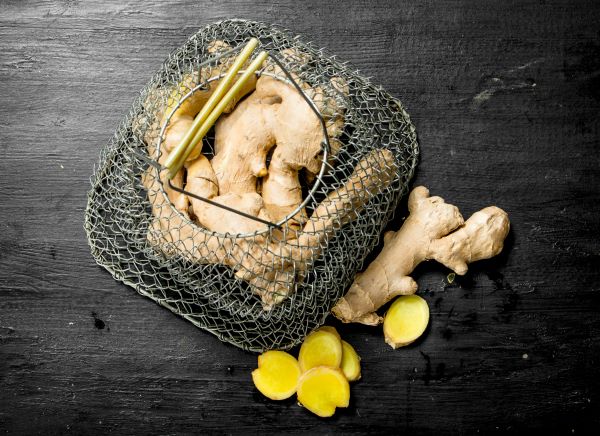
Ginger is more than just a remedy for the common cold; it possesses broad-spectrum anti-inflammatory and antioxidative properties, making it an excellent superfood for immune system support. Its active compounds, such as gingerol, have been shown to help reduce inflammation, combat nausea, and potentially decrease the risk of chronic diseases. The versatility of ginger in culinary applications makes it an accessible option for enhancing both the flavor profile of dishes and the nutritional value of diets.
Integrating ginger into the diet can be as straightforward as adding it to tea or smoothies for a warming and spicy kick. It also complements a variety of savory dishes, from stir-fries and soups to marinades and sauces. Regular consumption of ginger not only contributes to a stronger immune system but also offers a unique flavor enhancement to meals, demonstrating the fusion of health benefits and culinary versatility.
The Bottom Line
In the quest for improved immune function, incorporating a variety of superfoods into the diet offers a natural and effective strategy. Almonds, turmeric, spinach, and ginger each bring unique nutrients and health benefits to the table, contributing to a well-rounded and nutritious diet. Embracing these superfoods not only supports the immune system but also enriches the diet with flavors and textures, making healthy eating both beneficial and enjoyable. As part of a balanced lifestyle, these superfoods can play a significant role in maintaining health and well-being.