
In recent years, the health and wellness community has witnessed a growing debate on juicing vs. blending as individuals strive to find the most effective way to consume fruits and vegetables for optimal health benefits. Both practices have gained momentum for their supposed abilities to enhance nutrition, aid in weight loss, and improve overall wellness. Yet, despite their popularity, confusion, and questions persist about which method truly stands out as the superior choice for health-conscious consumers. This post aims to dissect and compare the nutritional impacts, benefits, and considerations of juicing and blending, providing a clear guide for those looking to make an informed decision about their dietary habits.
The Basics of Juicing

Juicing involves the process of extracting liquids from fruits and vegetables, effectively separating juice from the pulp. This method allows for a concentrated source of vitamins, minerals, and antioxidants, offering a quick and easy way to increase nutrient intake. However, it’s important to note that juicing removes the fiber found in whole fruits and vegetables, which is essential for healthy digestion and maintaining a feeling of fullness. Despite these benefits, the high concentration of sugars in fruit juices can impact blood sugar levels, a significant consideration for those monitoring their glucose intake.
The appeal of juicing lies in its ability to pack a nutrient-dense punch in a single serving, making it an attractive option for those with busy lifestyles or for individuals seeking a quick nutritional boost. Nevertheless, the removal of fiber during the juicing process raises concerns about the overall balance of the diet. To mitigate this, health enthusiasts might incorporate juiced vegetables with lower sugar content or complement their diet with fiber-rich foods to maintain digestive health and stability.
The Essentials of Blending
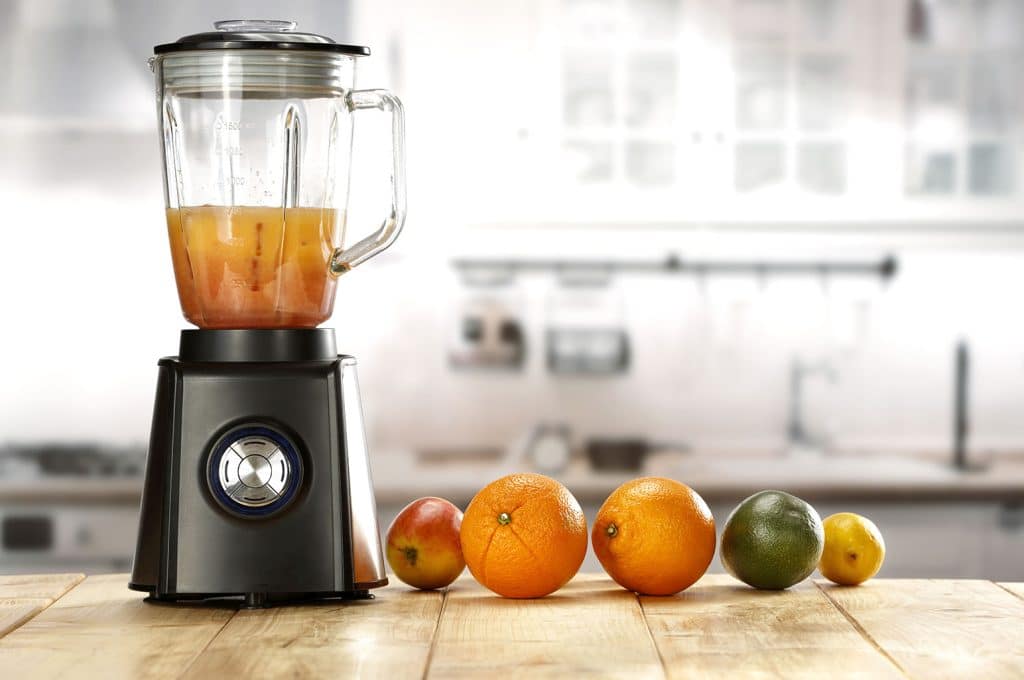
Blending, unlike juicing, utilizes the entire fruit or vegetable, including the pulp and fiber, to create a thick, smooth mixture known as a smoothie. This method ensures that the fiber content is retained, promoting healthy digestion and a prolonged sense of satiety, aiding in weight management. Smoothies can also include other ingredients like nuts, seeds, and protein powders, making them a versatile option for meal replacements or nutritional supplements.
One of the key benefits of blending is the preservation of the whole fruit and vegetable, meaning no valuable fiber or nutrients are lost in the process. This comprehensive approach to consuming produce supports not only digestive health but also provides a steady release of energy, avoiding the spikes in blood sugar levels often associated with juiced fruits. Additionally, the ability to add a variety of ingredients into smoothies allows for a balanced meal with proteins, fats, and carbohydrates, catering to a wide range of dietary needs and preferences.
Nutritional Value Comparison
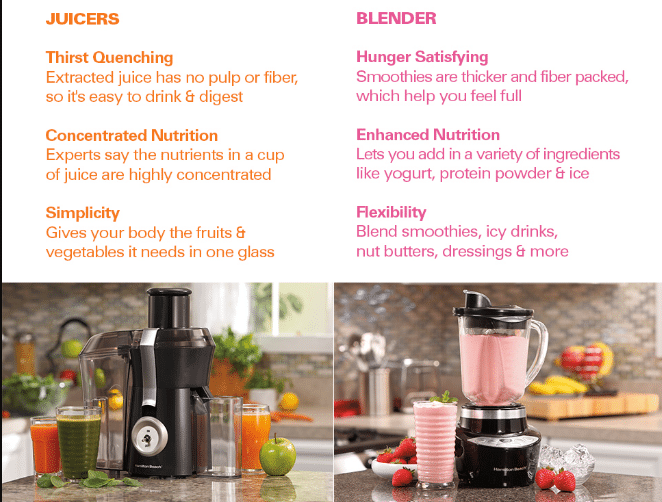
When comparing the nutritional value of juice and smoothies, it’s essential to consider the impact of fiber. Fiber plays a critical role in promoting healthy digestion, regulating blood sugar levels, and supporting heart health. Juicing, while providing a concentrated dose of vitamins and minerals, lacks this vital component, potentially leading to quicker digestion and sugar absorption.
On the other hand, smoothies made through blending retain the fiber of their ingredients, contributing to slower sugar absorption and increased satiety. This not only helps in managing hunger but also assists in maintaining stable blood sugar levels throughout the day. The inclusion of fiber in smoothies makes them a more balanced option, offering a wider array of health benefits compared to juice, which is primarily a source of vitamins and minerals.