
Hemp Milk

Made from hemp seeds, hemp milk contains many health benefits, such as plentiful protein sources, fatty acids, vitamins, and minerals. This can help improve heart health and reduce cholesterol levels due to the high content of unsaturated fats. Hemp milk also contains no saturated fat or cholesterol, so it can benefit those with dietary restrictions or food allergies. However, like everything else on this list, there are some negatives to consider before drinking hemp milk.
Overall, hemp milk offers a variety of nutrients and appeals to those who prefer plant-based diets, but it should still be consumed in moderation. In most cases, it does not possess the same amount of calcium as cow’s milk, so extra supplements may need to be taken for optimal bone health. Additionally, commercial brands of hemp milk are often enriched with vitamins but may have added sugars which can negatively affect blood sugar levels if consumed in excess.
Plant-Based Ice Cream
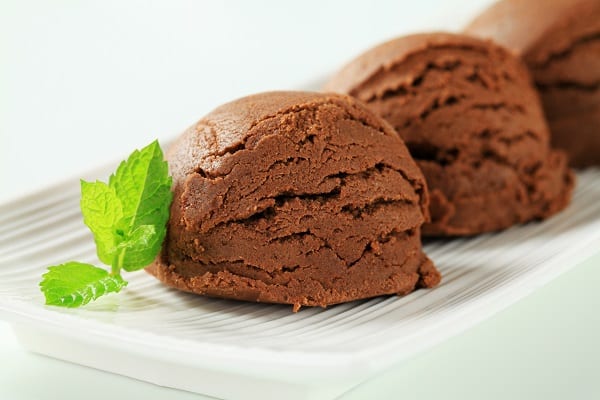
Plant-based ice cream has emerged as a popular alternative to dairy-based ice cream in recent years, with its relative ease of production and indulgent taste. There are many benefits to this type of food, such as the fact that it often contains less fat, more fiber, and fewer calories than traditional dairy products. It can also be an excellent option for those looking for novel flavor combinations, as plant-based ice creams come in many flavors not found in traditional varieties.
Unfortunately, it is usually more expensive than its dairy counterparts and can be difficult to find in regular grocery stores. In addition, some people may find these products lacking in terms of texture or flavor when compared to more traditionally made treats. But for those willing to experiment with frozen treats, plant-based ice cream can be an excellent option.
Tips For Making The Switch To Non-Dairy Alternatives

Making the switch to non-dairy alternatives can be daunting at first, but there is no doubt that it has its benefits. Here are a few tips to keep in mind when trying out non-dairy alternatives to ensure an easy transition.
- Read Labels: Be sure to read labels carefully and check the ingredients list for added sugars or preservatives before buying. This will help you avoid unhealthy or unwanted additives.
- Try Different Brands: Taste is subjective, so trying different brands of non-dairy products is essential to find one you like.
- Mix And Match: Don’t be afraid to get creative and mix and match dairy alternatives with other foods. For example, adding a dollop of coconut yogurt to oatmeal or serving a scoop of almond ice cream with a piece of vegan cake can make for some delicious combinations.
- Experiment With Recipes: Plenty of recipes use non-dairy ingredients, so don’t be afraid to play around and get creative with them.
Replacing Dairy With Non-Dairy Alternatives Is Easy!
Replacing dairy with non-dairy alternatives can be a great option for those seeking to reduce their intake of animal products or trying to avoid dairy for health reasons. From hemp milk and coconut yogurt to plant-based ice cream and cashew-based cheese, there is no shortage of delicious non-dairy options. Just remember to read labels carefully and experiment with different brands and recipes to find the ones that best suit your taste and dietary needs. If you are overwhelmed by all the options, don’t hesitate to consult a nutritionist or healthcare professional for guidance!