

Non-Dairy Creamers

Non-dairy creamers, often used as a vegan substitute for milk or cream in coffee, can be misleading. Despite the “non-dairy” label, many of these creamers contain small amounts of sodium caseinate, a milk-derived protein. This is because the term “non-dairy” is regulated by the FDA and allows for the presence of milk proteins as long as the product is lactose-free.
When choosing a creamer for your coffee, it’s essential to look beyond the “non-dairy” label and check the ingredient list for sodium caseinate. There are many truly vegan creamers on the market, made from almond milk, soy milk, oat milk, and other plant-based milks. These creamers will often explicitly state that they are vegan on the packaging, making them a safer choice for those following a vegan diet.
Red Foods

Many red-colored foods and drinks, such as candies, juices, and sodas, contain a dye called carmine. Carmine, also listed as cochineal or carminic acid, is derived from the cochineal scale insect. The insects are crushed to produce the red dye, which is then used to color a variety of foods and drinks.
To avoid consuming carmine, it’s important to read the ingredient list on any red-colored food or drink. Look for natural plant-based colorings, such as beet juice or red cabbage extract. Many companies are moving away from using carmine due to consumer demand for vegan and allergen-free products, but it’s still widely used, so vigilance is key.
Worcestershire Sauce

Worcestershire sauce, a popular condiment used in a variety of dishes, traditionally contains anchovies. These small fish are used to give the sauce its unique umami flavor. This means that traditional Worcestershire sauce is not suitable for vegans or vegetarians. However, there are vegan-friendly versions of Worcestershire sauce available on the market.
These sauces use a combination of spices and other ingredients to mimic the flavor of the traditional sauce without the use of anchovies. When shopping for Worcestershire sauce, look for brands that explicitly state they are vegan or vegetarian on the label. Alternatively, you can make your own vegan Worcestershire sauce at home using ingredients like soy sauce, apple cider vinegar, and various spices.
Veggie Burgers
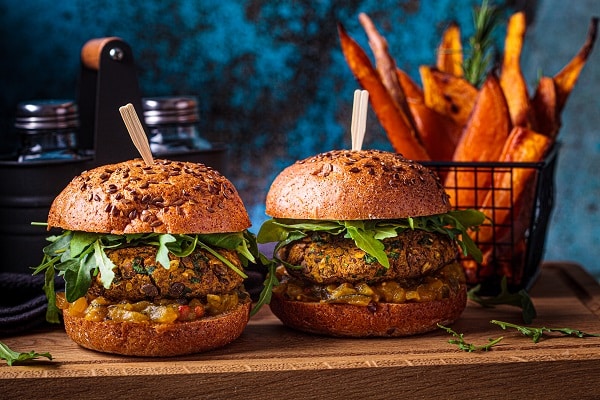
Veggie burgers are a popular choice for vegans seeking a plant-based alternative to traditional meat burgers. However, not all veggie burgers are created equal. Many brands use eggs or dairy products as binding agents to hold the burger together. This means that, despite their vegetable-based ingredients, these burgers are not suitable for vegans.
When shopping for veggie burgers, it’s essential to read the ingredient list carefully. Look for burgers that are labeled as vegan, as these will not contain any animal-derived ingredients. There are many delicious vegan veggie burgers on the market, made from a variety of ingredients like beans, lentils, quinoa, and more. With a bit of research and label-reading, you can find a veggie burger that fits your vegan diet.
Don’t Be Tricked By The Items You Think Are Vegan!
Navigating the world of veganism can be tricky, especially when it comes to identifying hidden animal-derived ingredients in seemingly vegan-friendly products. However, with a bit of knowledge and careful label-reading, it’s entirely possible to maintain a vegan diet without falling into these common traps. Remember, the key is to educate yourself about what goes into your food and to always check the ingredient list. Veganism is more than just a diet—it’s a lifestyle commitment to avoiding harm to animals. By being vigilant about the products you consume, you can uphold this commitment and enjoy a wide variety of delicious, plant-based foods!