The Art Of Humidity Control

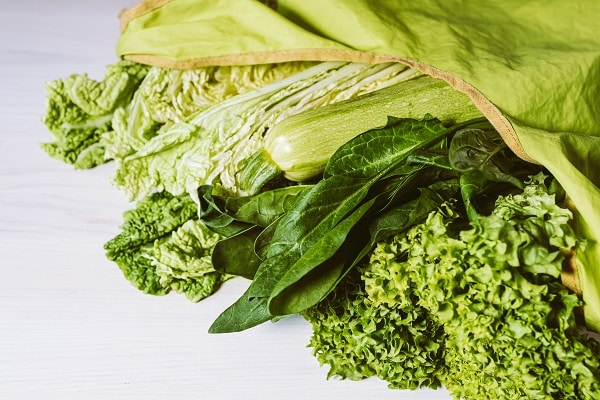
Humidity plays a crucial role in how long your vegetables stay fresh. Too much moisture can lead to mold and rot, while too little can cause veggies to dry out and lose their crunch. Understanding the science behind humidity can help you create the perfect storage environment for each type of vegetable. For instance, leafy greens and herbs generally require high humidity to stay crisp.
On the flip side, vegetables like mushrooms and onions prefer low-humidity conditions. To manage this, many modern refrigerators come with adjustable humidity drawers. If your fridge doesn’t have this feature, consider using perforated plastic bags or cloth bags to control moisture levels.
To Bag Or Not To Bag
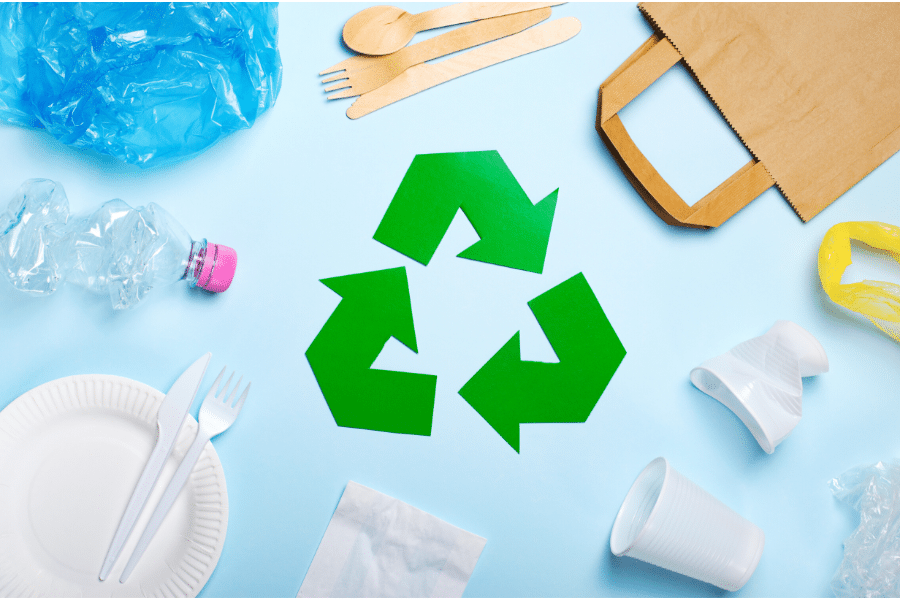
Plastic bags are a common choice for storing vegetables, but they’re not always the best option. While they may seem convenient, they can sometimes trap too much moisture, leading to quicker spoilage. On the other hand, they can be useful for veggies that require a high-humidity environment. The key is to know when to use them and how to adapt them for different vegetables.
If you’re looking for more sustainable options, consider alternatives like beeswax wraps or cloth bags. These eco-friendly choices are not only better for the planet but can also be more effective in maintaining the freshness of your veggies. For instance, cloth bags can provide the right amount of airflow, while beeswax wraps can be molded to fit snugly around vegetables, keeping them fresh for longer periods.
The Role Of Ethylene Gas In Vegetable Storage
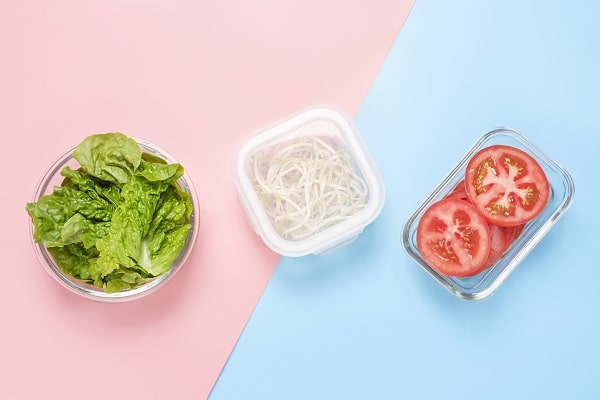
Ethylene gas might sound like something out of a science lab, but it’s a natural compound that many fruits and vegetables produce. This gas acts as a ripening agent, which is great for fruits like bananas but can be detrimental for certain vegetables. Knowing which veggies produce ethylene and which are sensitive to it can help you store them more effectively.
To prevent premature ripening or spoilage, it’s crucial to separate ethylene-producing vegetables like tomatoes from those that are sensitive to it, such as leafy greens and peppers. Simple separation strategies like using different drawers or placing them at opposite ends of the counter can make a significant difference in extending the freshness of your vegetables.
The Freezer: A Last Resort Option

Freezing vegetables is often considered a last resort, but it can be a lifesaver when you have more produce than you can consume in a short period. Freezing can preserve the nutritional value and extend the shelf life of many vegetables. However, it’s essential to know the proper techniques to ensure that the texture and flavor remain intact after thawing.
Certain vegetables, like leafy greens and bell peppers, don’t freeze well because they contain high water content, leading to a mushy texture upon thawing. For those that are freezer-friendly, blanching before freezing can help maintain color, texture, and nutritional value. A step-by-step guide on how to properly freeze vegetables can save you from the disappointment of thawing out a mushy mess.
Follow This Guide For Veggie Freshness!
You have just embarked on a comprehensive exploration of the guide to storing vegetables, ensuring they stay fresh for longer periods. From understanding the basics to mastering advanced techniques like humidity control and ethylene gas management, you’re now equipped to keep your veggies crisp, tasty, and nutritious for longer than ever before. Implement these tips today for healthier, tastier meals, and don’t hesitate to explore the vast array of preservation methods available to you!