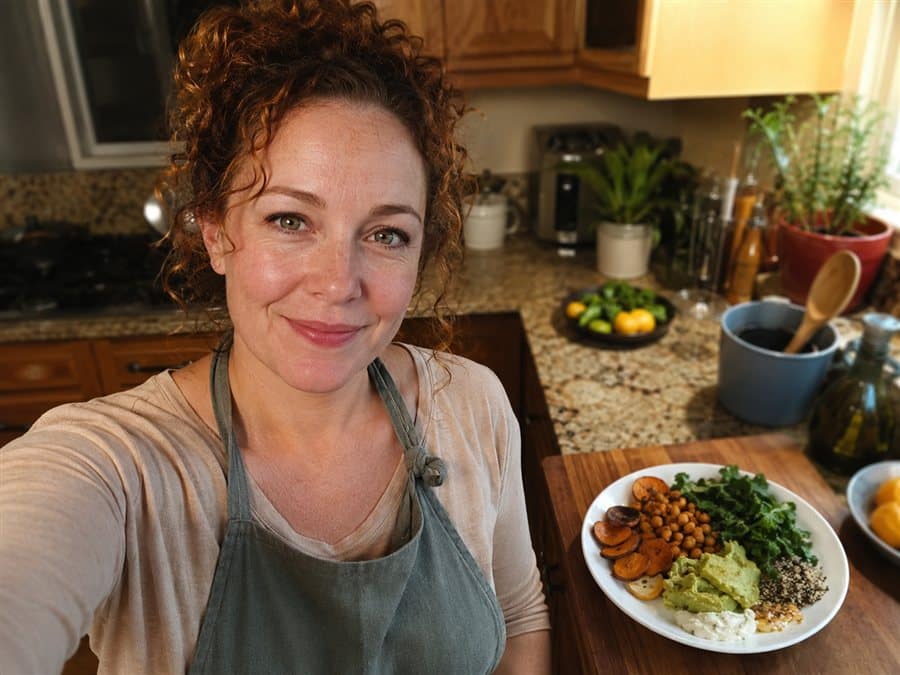

Cooking At Home vs. Eating Out
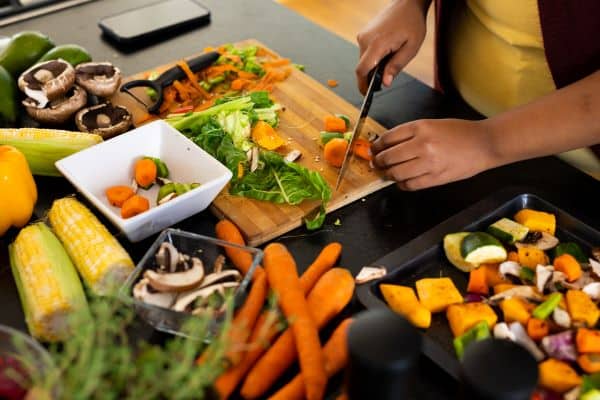
Cooking at home presents an opportunity to control both the nutritional content and the cost of meals. Ingredients purchased for home cooking are generally less expensive and healthier than meals bought at restaurants or as pre-made options. This practice not only saves money but also encourages a deeper understanding of food and its preparation, leading to more informed dietary choices. Furthermore, cooking at home allows for portion control, reducing waste and further optimizing the budget for healthy eating.
The comparison between the cost of home-cooked meals and eating out is stark. The markup on restaurant meals can significantly strain budgets, making regular dining out an unsustainable practice for those wishing to eat healthily and affordably. Additionally, restaurants often prioritize taste over health, leading to dishes high in sodium, sugar, and unhealthy fats. By allocating restaurant spending to grocery shopping and meal preparation, individuals can enjoy a greater quantity and quality of food for the same investment.
Utilizing Leftovers And Reducing Food Waste

Creative repurposing of leftovers is a key strategy in making healthy eating affordable. Leftovers can serve as the basis for new meals, reducing the need to purchase additional ingredients and minimizing food waste. This not only conserves resources but also ensures that the effort and money spent on cooking are fully utilized. Innovative use of leftovers can add variety to the diet without additional expense, challenging the culinary creativity to make the most of what is already on hand.
Proper storage of food extends its shelf life, decreasing the amount of wasted food and money. Knowing how to store different types of food effectively can prevent spoilage and preserve their nutritional value. Investing in good quality storage containers and learning the best practices for refrigerating, freezing, and dry storing can make a significant difference. Reducing food waste not only supports a budget-friendly approach to healthy eating but also contributes to environmental sustainability.
Community Resources And Affordable Healthy Eating

Community resources such as food co-ops, farmers markets accepting SNAP benefits, and community gardens offer avenues to affordable, healthy eating. These resources provide access to fresh, nutritious foods at lower costs, bridging the gap between tight budgets and healthy diets. Participation in community gardens also offers the added benefit of physical activity and social engagement, enhancing the overall approach to wellness.
Leveraging these community resources fosters a sense of connection and support, making healthy eating a more accessible and communal experience. Educational programs offered by these organizations can further demystify the process of choosing and preparing healthy foods, making it easier for everyone to make informed dietary decisions. The collective power of community resources significantly contributes to breaking down the financial barriers to a healthy diet.
Incorporating Plant-Based Meals Into Your Diet
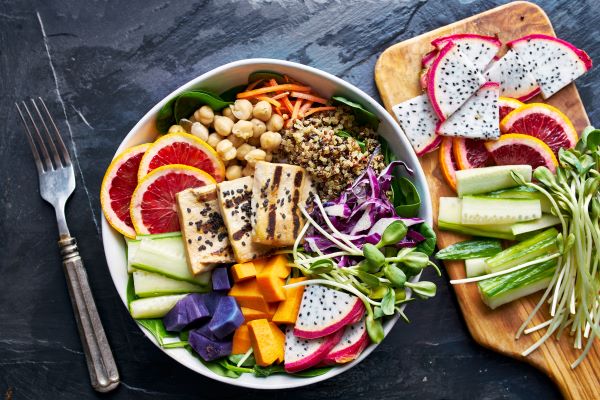
Incorporating plant-based meals into the diet can yield substantial savings and health benefits. Legumes, grains, and vegetables, the staples of plant-based diets, are among the most cost-effective and nutritious foods available. These ingredients can serve as the foundation for a variety of meals, ensuring both dietary diversity and affordability. The transition towards more plant-based meals can reduce grocery bills, decrease health risks, and lessen environmental impact, showcasing the multifaceted benefits of this dietary shift.
Simple, affordable plant-based recipes can be as satisfying and nutritious as their meat-based counterparts. Experimentation with herbs, spices, and different cooking techniques can enhance the flavor and appeal of plant-based meals, making them an enjoyable part of the diet. This approach not only conserves financial resources but also introduces a wider range of nutrients, supporting overall health and well-being.
The Bottom Line
Making healthy eating affordable is achievable through strategic planning, smart shopping, and a creative approach to meal preparation. By understanding nutrition labels, resisting marketing ploys, and prioritizing home-cooked meals, individuals can enjoy a nutritious diet without overspending. Utilizing leftovers, embracing plant-based options, and leveraging community resources are additional strategies that support both health and budget. Ultimately, the journey to affordable healthy eating is marked by informed choices, culinary creativity, and a commitment to well-being. Adopting these practices not only benefits personal health but also contributes to a more sustainable and equitable food system.