Keep Your Bread In A Bread Box

As any baker knows, bread is best enjoyed fresh out of the oven. However, store-bought bread often has a longer shelf life than homemade bread. This is due to the addition of preservatives, which can extend the expiration date by several days or even weeks. However, there is a simple way to extend the shelf life of any bread: storing it in a breadbox.
A breadbox is an enclosed container that helps to keep bread fresh for longer by protecting it from moisture and pests. In addition, the controlled environment of a breadbox slows down the process of oxidation, which can cause bread to go stale. As a result, keeping your bread in a breadbox is an effective way to extend its shelf life.
Tightly Seal Packages And Wrappers
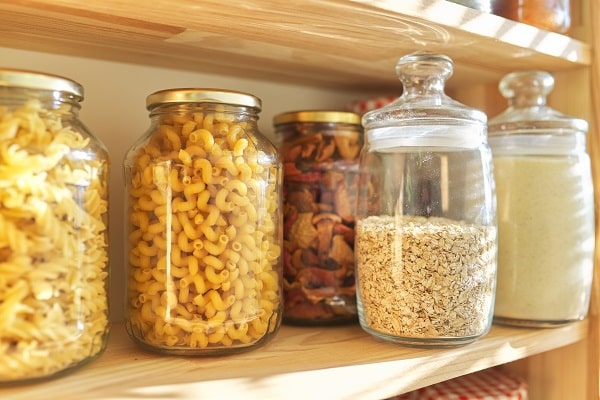
Most shoppers have heard that one of the key ways to save money is to buy in bulk and then carefully seal and store the products to extend their shelf life. But what many people don’t realize is that even after a product’s packaging has been opened, it is still possible to reseal it tightly and prolong its expiration date. This is especially important for perishable items like dairy products, meat, and produce.
By taking a few extra minutes to reseal opened packages and wrappers, you can make your food last longer and save yourself money in the long run. So the next time you’re about to throw away an opened package of cheese or bacon, think twice and seal it up tightly instead. It might just save you a trip to the grocery store.
How To Know If Your Food Has Gone Bad
How often have you gone to the fridge only to find that your milk has expired? Or reach into the pantry for a bag of chips, only to discover they’ve gone stale? It can be frustrating to realize that you’ve let your food go bad, but it’s essential to know how to tell when food has spoiled. After all, eating expired food can cause nausea, vomiting, and other unpleasant symptoms. So how can you know if your food has gone bad?
Milk
One way to tell if milk has gone bad is to smell it. If the milk smells sour or off, it’s best to throw it away. You can also look for signs of mold growth, which is another indication that milk has spoiled. You can also check for expiration dates with other dairy products like yogurt and cheese. If the product is past the listed expiration date, it’s likely gone bad, and you should discard it.
Meat
When it comes to meat, freshness is key. If the meat starts to smell sour or rotten, it’s time to toss it out. You can also look for color changes – fresh meat should be red or pink, while spoiled meat may turn greenish-brown. Spoiled meat will also have a slimy texture. If you’re unsure whether meat has gone bad, it’s always better to err on the side of caution and throw it out.
Fruits And Vegetables
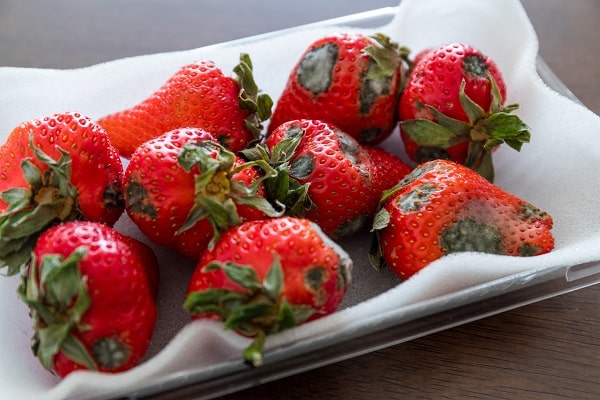
With fruits and vegetables, it’s often possible to tell if they’ve gone bad just by looking at them. For example, spoiled fruits may start to develop mold, while wilted or discolored vegetables are another sign that they’ve gone bad. However, not all signs of spoilage are so obvious. With some fruits and vegetables, the only way to tell if they’ve gone bad is to smell them. If they have an off odor, it’s best to discard them.
Dry Goods
Dry goods like grains, flour, and pasta can last for months or even years when stored properly. However, if exposed to moisture, they can go bad quickly. To tell if dry goods have gone bad, look for signs of mold growth or insect infestation. You should also smell the product – if it smells rancid or off, it’s probably not safe to eat.
Expired food can be dangerous to consume, so it’s important to know how to tell when food has gone bad. By following these simple tips, you can make sure that you always have fresh, safe food on hand.
Keep Your Food Good As Long As Possible!
So there you have it – a few simple tips to extend the shelf life of your food. By following these guidelines, you can save yourself money and reduce food waste. Remember that every unique food has its own shelf life, so be sure to check expiration dates and look for signs of spoilage before you eat anything. If in doubt, throw it out! Better safe than sorry.