Antioxidants

Antioxidants are substances that can prevent or slow damage to cells caused by free radicals, which are unstable molecules the body produces as a reaction to environmental and other pressures. There’s a growing body of evidence suggesting that oxidative stress can play a part in the development of mood disorders. Antioxidants like Vitamin E, Vitamin C, and beta-carotene can help mitigate this stress, potentially improving mood and cognitive function.
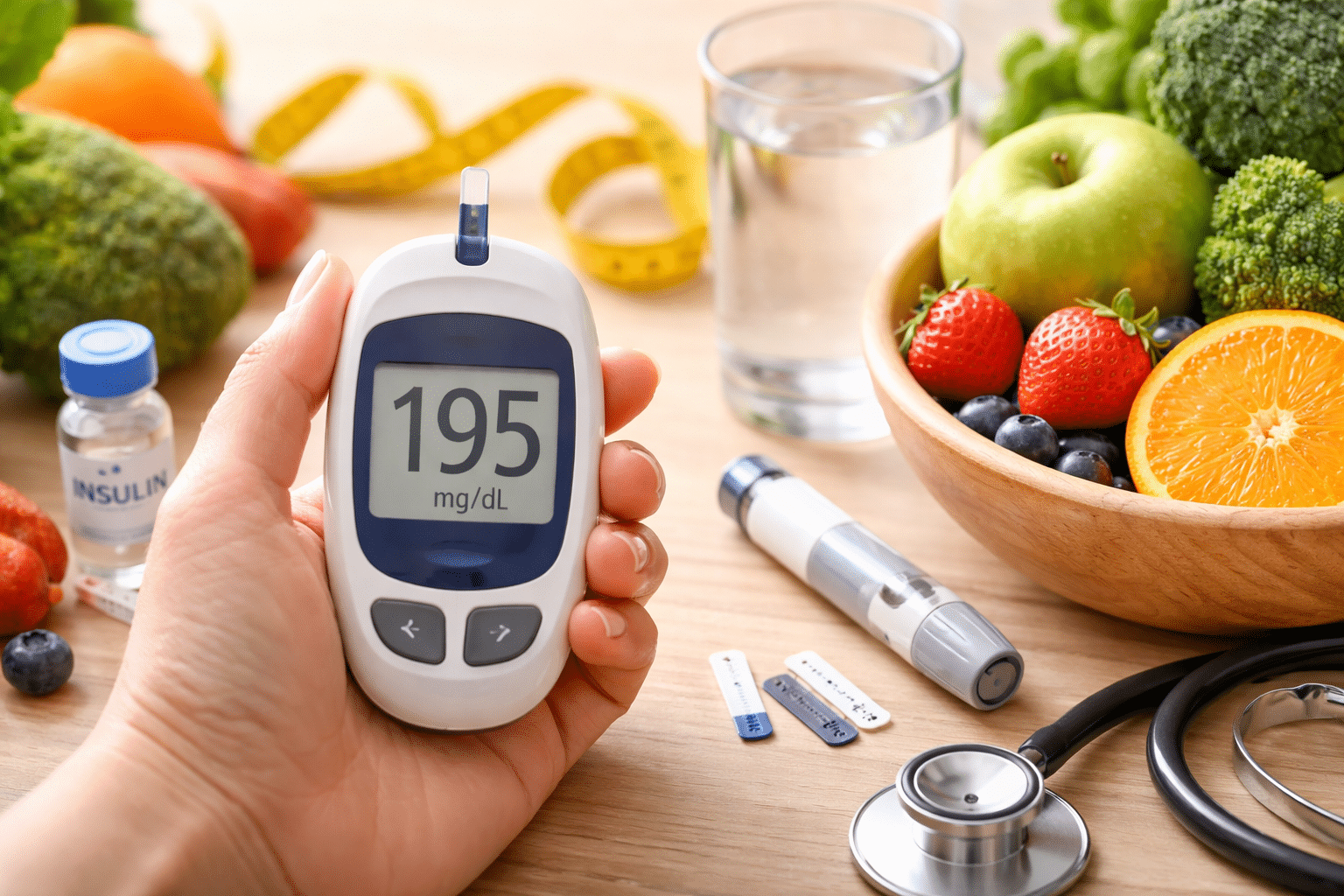
Foods high in antioxidants—such as berries, nuts, and dark green vegetables—should be integral to a diet aimed at mood improvement. By combating oxidative stress, these nutrients can protect brain health, potentially reducing the risk of mood disorders and providing a mental health boost.
The Bottom Line
In conclusion, a growing body of evidence supports the intricate relationship between diet and mood, underscoring the importance of various nutrients in mental health. From the omega-3 fatty acids that build brain cells to the complex carbohydrates that provide sustained energy and aid in neurotransmitter synthesis, each nutrient plays a role in mood regulation. By making informed dietary choices, individuals can support their mental well-being alongside their physical health. It is clear that a balanced and nutrient-rich diet is not just fuel for the body but also nourishment for the mind, and by understanding the role of these key nutrients, one can take proactive steps towards a happier, more balanced mood.