

Magnesium
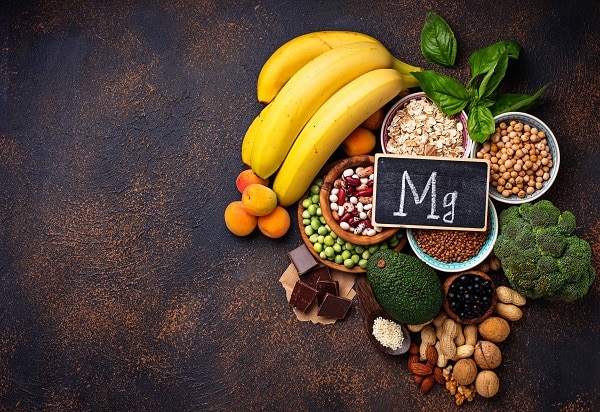
Magnesium is a mineral with a critical role in numerous bodily functions, including regulating mood and stress responses. It acts within the nervous system, helping to maintain nerve and muscle function, and it is also vital for the biochemical reactions that generate energy for the brain. Research indicates that low magnesium levels are associated with an increased risk of depression, and some studies suggest that magnesium supplementation can have antidepressant effects.
Rich dietary sources of magnesium include nuts, seeds, whole grains, and leafy green vegetables. Incorporating these foods into one’s diet can contribute to the proper functioning of the nervous system and improve resilience against stress and mood disorders. Magnesium’s significant effect on mood underscores the importance of maintaining adequate mineral levels as part of a holistic approach to mental health.
Probiotics

Probiotics are live bacteria and yeasts beneficial for digestive health, but their influence extends beyond the gut. Emerging research suggests that these microorganisms may also affect mood regulation. This is due to the gut-brain axis, a bidirectional communication network linking the gut’s enteric nervous system with the central nervous system. Probiotics may help balance the gut microbiota, positively influencing brain function and mood.
Incorporating probiotic-rich foods like yogurt, kefir, and fermented vegetables into the diet can promote a healthy gut microbiome, which is thought to be associated with enhanced mental well-being. Regular consumption of these foods may help in the production of neuroactive substances like gamma-aminobutyric acid (GABA), which has a calming effect on the brain and may help to alleviate symptoms of anxiety and depression. The potential of probiotics to support mood regulation is a fascinating area of study, suggesting that the path to a happier mindset may begin in the gut.
Amino Acids

Amino acids are the building blocks of proteins and serve as precursors to neurotransmitters; the chemicals brain cells use to communicate. For example, tryptophan is an amino acid that produces serotonin, a neurotransmitter significantly affecting mood. Low levels of serotonin are associated with depression and anxiety, highlighting the importance of tryptophan in maintaining emotional balance.
Foods rich in tryptophan include poultry, eggs, and dairy, which can help ensure adequate serotonin production. Beyond tryptophan, other amino acids like tyrosine are also critical as they contribute to the production of dopamine, a neurotransmitter that influences motivation and pleasure. A diet including various amino acids can provide a strong foundation for mental health.
Antioxidants

Antioxidants are substances that can prevent or slow damage to cells caused by free radicals, which are unstable molecules the body produces as a reaction to environmental and other pressures. There’s a growing body of evidence suggesting that oxidative stress can play a part in the development of mood disorders. Antioxidants like Vitamin E, Vitamin C, and beta-carotene can help mitigate this stress, potentially improving mood and cognitive function.
Foods high in antioxidants—such as berries, nuts, and dark green vegetables—should be integral to a diet aimed at mood improvement. By combating oxidative stress, these nutrients can protect brain health, potentially reducing the risk of mood disorders and providing a mental health boost.
The Bottom Line
In conclusion, a growing body of evidence supports the intricate relationship between diet and mood, underscoring the importance of various nutrients in mental health. From the omega-3 fatty acids that build brain cells to the complex carbohydrates that provide sustained energy and aid in neurotransmitter synthesis, each nutrient plays a role in mood regulation. By making informed dietary choices, individuals can support their mental well-being alongside their physical health. It is clear that a balanced and nutrient-rich diet is not just fuel for the body but also nourishment for the mind, and by understanding the role of these key nutrients, one can take proactive steps towards a happier, more balanced mood.