

Seitan: The Wheat-Meat Substitute
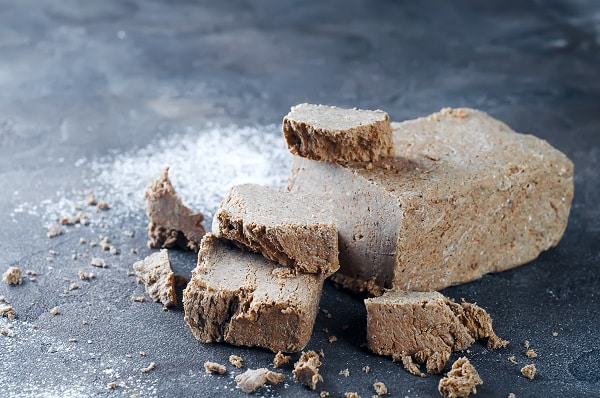
Seitan often hailed as the ‘wheat meat’, is a remarkable ingredient in the vegan kitchen. Made from wheat gluten, it’s high in protein and can mimic the texture of meat, making it a popular choice for vegans and vegetarians. Its neutral flavor provides a blank canvas, absorbing spices and marinades, allowing it to be used in various culinary applications. From stir-fries to sandwiches, seitan can be prepared to suit any dish that traditionally uses meat. Its versatility is further showcased when it’s grilled, fried, or even braised, offering a satisfying texture that’s appreciated in a plant-based diet.
Making seitan at home is straightforward and lends itself to customization. By kneading wheat gluten with water and spices, one can create a dough that can be shaped and cooked in various ways. The key to a successful seitan is in the cooking method – simmering it in a flavorful broth helps to infuse it with depth and richness. Homemade seitan proves to be cost-effective and allows for complete control over the ingredients, ensuring a healthier and more personalized product. For those looking to reduce their meat consumption, seitan offers an excellent alternative, providing meat’s familiar texture and richness without the ethical and environmental implications.
Legume-Based Proteins: Beans and Lentils
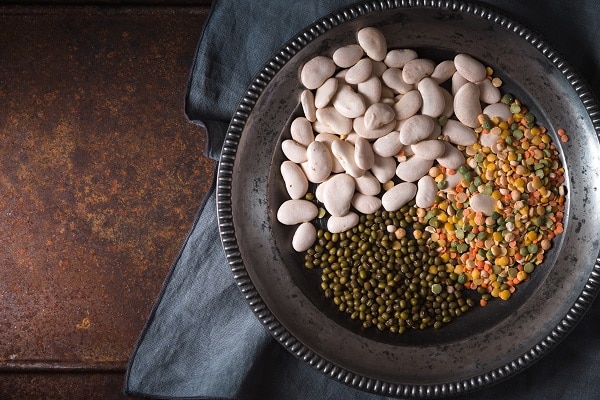
Legumes, including beans and lentils, are fundamental in a vegan diet, offering a significant protein, fiber, and nutrient source. With their variety and versatility, beans can be incorporated into countless dishes, from hearty stews to refreshing salads. Lentils, quick to cook and packed with nutrients, are equally versatile, making them a convenient choice for busy lifestyles. These legume-based proteins are nutrient-dense and economical, making them a staple in vegan pantries worldwide.
The beauty of beans and lentils lies in their ability to absorb flavors, making them ideal for various culinary styles. They provide a satisfying meal base, whether soaked and cooked from scratch or used from a can for convenience. With their quick cooking time, Lentils are perfect for last-minute meal preparations. Storing a variety of legumes in the pantry ensures that a nutritious and protein-rich meal is always within reach, fostering a sustainable and healthful vegan diet.
Vegan Broth: Flavorful Base for Cooking
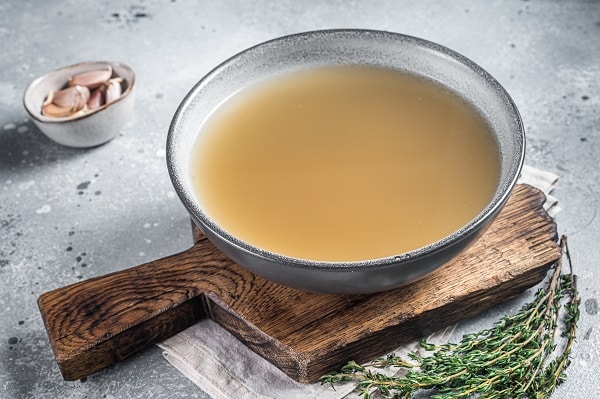
A well-prepared vegan broth can elevate any dish, offering a depth of flavor that forms the backbone of many recipes. Unlike store-bought versions, homemade broth is free from excessive sodium and preservatives, ensuring a healthier option. Made with simple ingredients like vegetables, herbs, and spices, it can be tailored to personal taste preferences and dietary needs.
Creating vegan broth at home is an exercise in resourcefulness, utilizing scraps and trimmings from vegetables that would otherwise be discarded. This reduces food waste and provides a cost-effective way to enhance the flavor of soups, stews, and sauces. Freezing broth in batches ensures that there’s always a flavorful base on hand, ready to be used in various dishes. This simple yet impactful staple is essential in any vegan kitchen, adding richness and complexity to plant-based cooking.
Flax and Chia Seeds: Nutrient-Packed Thickeners
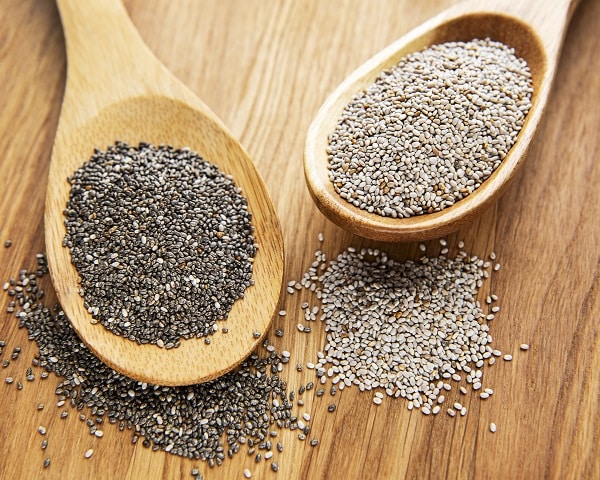
Flax and chia seeds are more than just healthful additions to a vegan diet; they serve as essential culinary tools. Known for their high omega-3 fatty acid content, these seeds are excellent thickeners and egg replacements in vegan cooking. Their ability to form a gel-like consistency when mixed with water makes them ideal for binding ingredients in recipes like pancakes, muffins, and cookies.
Incorporating these seeds into daily meals is effortless. Sprinkled over oatmeal, blended into smoothies, or used in baking, they provide a nutrient boost without compromising flavor. Their versatility extends beyond egg replacement; they can thicken sauces, create healthy puddings, or add a crunchy texture to salads. These tiny seeds pack a powerful nutritional punch, making them indispensable in a well-rounded vegan pantry.
The Bottom Line
In conclusion, stocking a vegan pantry with homemade staples benefits health and the environment and enhances the culinary experience. From the rich flavors of nutritional yeast and plant-based milks to the satisfying textures of seitan and legume-based proteins, these staples offer endless possibilities in the kitchen. The ease of preparing vegan broth, flax and chia seeds, and baking mixes at home further demonstrates that a vegan diet can be as convenient as it is nutritious. Embracing these staples encourages creativity and experimentation, allowing one to explore a world of flavors and textures. Ultimately, a well-stocked vegan pantry is the foundation of a sustainable, health-conscious,