“Healthy” snacks often seem like a smart choice for busy lifestyles, offering convenience and promises of better nutrition. However, many of these options aren’t as wholesome as they appear. Clever marketing and vague nutrition labels can mask harmful ingredients that jeopardize your health over time. From hidden sugars to artificial additives, the risks can be far-reaching and easy to overlook. This article uncovers the hidden dangers in your favorite “healthy” snacks, breaking down what to watch out for so you can make more informed choices for yourself and your family.
Contents
Misleading Nutrition Labels and Marketing Claims

Nutrition labels and marketing claims can be incredibly deceptive, steering consumers toward snacks that aren’t as healthy as they seem. Words like “natural,” “organic,” and “low-fat” are often loosely regulated, leaving room for unhealthy ingredients. For instance, many low-fat products compensate for flavor loss by adding high levels of sugar or sodium. Similarly, snacks labeled “natural” can still contain artificial additives, as the term isn’t strictly defined by many regulatory bodies.
Marketing strategies further amplify the confusion by pairing buzzwords with attractive packaging. Vibrant colors and wellness-related imagery create a false sense of health, persuading buyers that they’re making a good choice. Celebrity endorsements and health-focused certifications add credibility, even if the product’s nutritional value is questionable. For example, snacks marketed as “heart-healthy” may still include high levels of processed ingredients, undermining their supposed benefits. Understanding these tactics is crucial for making informed decisions in the grocery aisle.
Hidden Sugars in “Healthy” Snacks

Hidden sugars are a common culprit in snacks marketed as healthy, with various names disguising their presence. Ingredients like cane juice, malt syrup, and agave nectar are just a few examples that might not immediately register as sugar. These sugars contribute to the sweet taste many consumers crave, but they come at a cost. Regular consumption leads to energy spikes and crashes, making these snacks counterproductive to sustained energy levels.
Over time, excessive sugar intake is linked to serious health conditions like obesity, type 2 diabetes, and heart disease. The danger lies in how small servings of these snacks can contain significant amounts of sugar, quickly adding up throughout the day. Products like granola bars and fruit snacks are often marketed as nutritious but are loaded with hidden sugars. Being mindful of ingredient lists and recognizing alternative names for sugar can help reduce unnecessary intake.
Artificial Ingredients and Preservatives

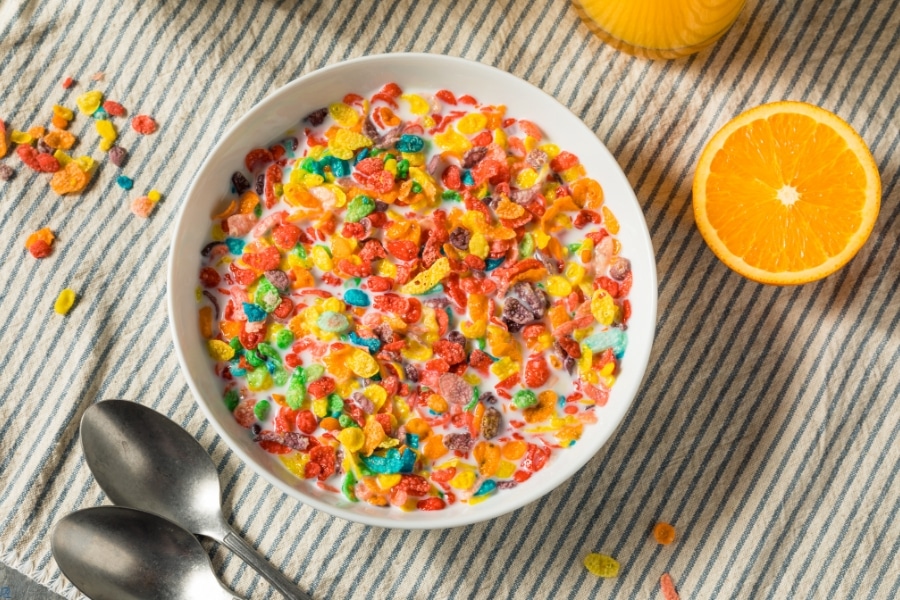
Artificial ingredients and preservatives are common in “healthy” snacks, often used to improve taste, color, and shelf life. Ingredients like artificial flavors, dyes, and synthetic preservatives enhance the appeal of these products, masking their unnatural origins. For example, colorful snacks marketed to children may contain dyes linked to hyperactivity or allergic reactions. These additives can accumulate in the body over time, posing potential health risks.
The long-term effects of consuming artificial ingredients include increased inflammation, potential links to chronic diseases, and compromised immunity. Preservatives like BHT and artificial dyes have been controversial due to their possible carcinogenic properties. Even snacks claiming to be “all-natural” might still include these substances under different names. Choosing minimally processed snacks with clear, simple ingredient lists is a safer option.