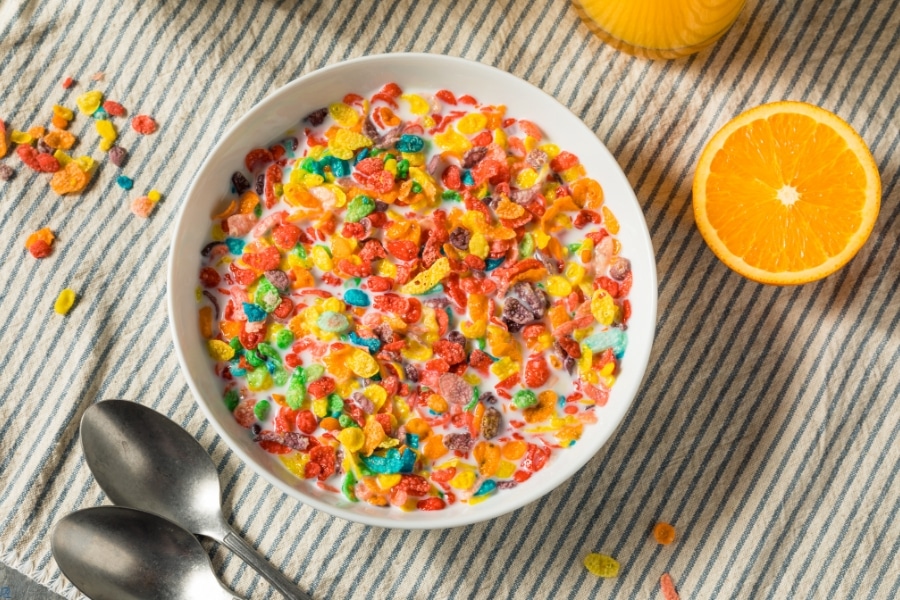

Refined Grains Masquerading as Whole Grains
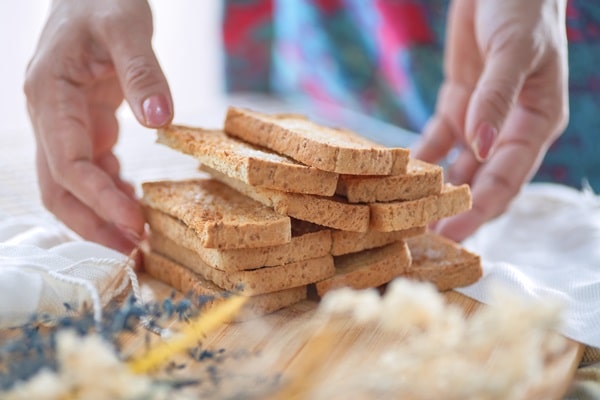
Many snacks marketed as “whole grain” actually rely heavily on refined grains that have been stripped of essential nutrients. Refined grains are processed to improve texture and shelf life but lose key components like fiber, vitamins, and minerals. Products such as whole-grain crackers or granola bars may contain more refined flour than whole grains, despite their labeling. This can mislead consumers into believing they’re choosing a healthier option when, in reality, they’re consuming snacks with limited nutritional value.
Refined grains can cause spikes and crashes in blood sugar levels, leading to cravings and overeating. Over time, this pattern increases the risk of obesity, type 2 diabetes, and other metabolic disorders. The lack of fiber in refined grains means these snacks don’t provide the same satiating benefits as true whole-grain options. To avoid falling for this common trick, look for snacks with “100% whole grain” or high fiber content prominently listed on their labels.
Harmful Fats Hiding in Plain Sight
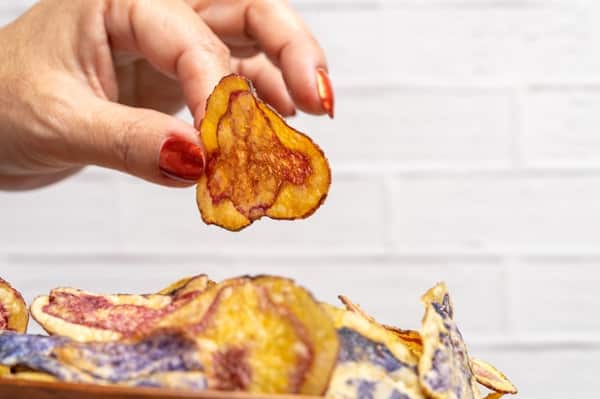
“Healthy” snacks often contain harmful fats disguised as necessary ingredients for taste and texture. Trans fats and certain saturated fats are commonly used in products like baked chips or granola bars to improve consistency and extend shelf life. Manufacturers may label these snacks as “low-fat” or “fat-free,” but hidden partially hydrogenated oils can still pose risks. Even snacks boasting “healthy oils” like palm oil can contribute to inflammation and elevated cholesterol.
Consuming these harmful fats regularly increases the risk of heart disease, high cholesterol, and chronic inflammation. Many of these fats remain hidden in ingredient lists under different names, making it difficult for consumers to identify them. While small quantities may seem harmless, cumulative intake can be detrimental to long-term health. Opting for snacks made with unsaturated fats, like those from nuts or avocados, is a smarter choice for supporting cardiovascular health.
Portion Sizes and Overeating

Portion sizes on snack labels can be misleading, often causing consumers to eat far more than they realize. A single package of a “healthy” snack may contain multiple servings, yet the entire package is often consumed in one sitting. For example, a granola bar labeled as two servings doubles the calorie, sugar, and fat intake when eaten entirely. This misrepresentation leads many to unintentionally overeat, negating the perceived benefits of choosing a “healthier” option.
Overeating, even with healthier snacks, contributes to excess calorie consumption and weight gain. The habit of consuming snacks straight from the package makes portion control even more challenging. To combat this, pre-measuring portions or selecting individually packaged servings can help maintain a balanced intake. Incorporating whole, nutrient-dense foods as snacks is another effective way to stay satisfied without overindulging.
Stop Letting “Healthy” Snacks Fool You
The illusion of “healthy” snacks can lead to harmful habits if you’re not vigilant about what’s inside them. By looking beyond marketing claims and understanding ingredient lists, you can protect your health from the risks these snacks pose. Small changes in how you choose and consume snacks can lead to big improvements in your well-being over time. Staying informed empowers you to make smarter decisions and enjoy truly nutritious snacks that align with your health goals.