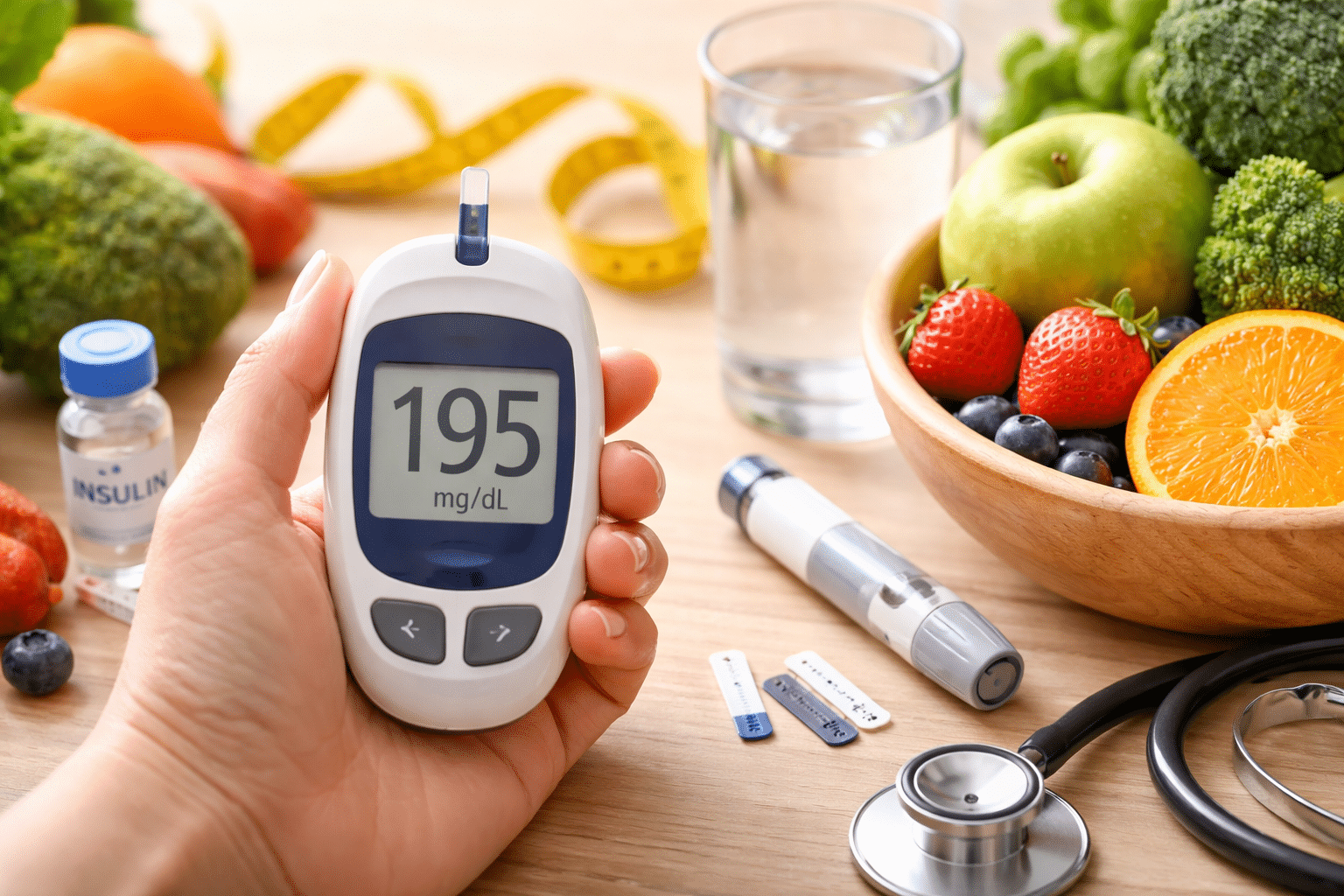
Eat Lots Of Vegetables

It’s no secret that eating your vegetables is good for you. In addition to being low in calories and fat, vegetables are full of essential nutrients like vitamins, minerals, and fiber. Getting enough of these nutrients is vital for maintaining good health. For example, vitamin C helps to boost the immune system, while potassium can help to lower blood pressure. Fiber helps to promote digestive health, and folic acid is essential for pregnant women.
However, many people struggle to get their recommended daily intake of vegetables. One way to increase your intake is to eat more vegetable-based meals. Incorporating a variety of colorful vegetables into your diet can also help ensure that you get all the essential nutrients you need.
Eat More Whole-Grains

A diet rich in whole grains has various health benefits, including a lower risk of heart disease, arthritis, diabetes, and certain cancers. Whole grains are an excellent source of fiber, which helps to keep the digestive system healthy and can also help to lower cholesterol levels. In addition, whole grains contain vitamins, minerals, and antioxidants essential for good health.
Despite the benefits of whole grains, many people consume a diet heavy in refined carbs, such as white bread and pasta. To get the most health benefits, aim to consume at least three servings of whole grains daily. Choose whole-grain breads, cereals, and pastas whenever possible, and try to include various grains in your diet, such as oats, barley, quinoa, and brown rice. Just a few simple changes to your diet can make a big difference in your overall health.
Avoid Sugary Drinks

Soft drinks, juice, and even some sports drinks are full of sugar. You might not realize it because manufacturers use a variety of names for sugar on ingredient lists. And a can of soda has about 39 grams of the stuff. That’s about ten teaspoons! The American Heart Association (AHA) recommends that women consume no more than six teaspoons (25 grams) of added sugar daily.