

Cabbage
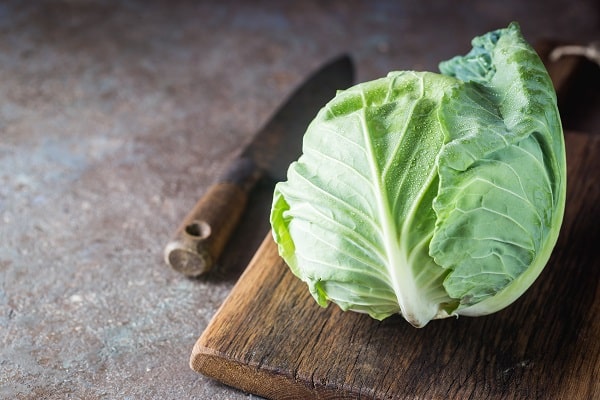
Sulforaphane is a powerful compound found in many everyday foods, including cabbage. Low in calories and readily available at most grocery stores, cabbage can easily be included in meals. Given its richness in Sulforaphane, an antioxidant that may help reduce inflammation and aid digestion, it is even more of an incentive to consume.
An individual may not know what Sulforaphane is but certainly knows cabbage, opening the doorway for more consumption of sulforaphane-rich foods overall. Cabbage should not only be eaten as part of a meal but allowed to take center stage with any dish; it truly packs a punch regarding health benefits because of Sulforaphane alone.
Other Vegetables That Contain Sulforaphane

In addition to cruciferous vegetables, other vegetables contain sulforaphane. These vegetables may not be as high in sulforaphane as cruciferous vegetables, but they are still worth considering.
- Arugula
- Bok Choy
- Collard Greens
- Mustard Greens
- Radish
Sprouts As A Concentrated Source Of Sulforaphane

Another way to get a concentrated dose of sulforaphane is by consuming sprouts. Sprouts are the germinated seeds of plants and are often higher in nutrients than mature plants. Two types of sprouts are particularly high in sulforaphane: broccoli sprouts and radish sprouts.
Broccoli sprouts: Broccoli sprouts are the sprouted seeds of broccoli and are a particularly rich source of sulforaphane. Broccoli sprouts contain up to 100 times more sulforaphane than mature broccoli. They can be added to salads, sandwiches, or smoothies for an extra dose of nutrition.
Radish sprouts: Radish sprouts are the sprouted seeds of radishes and are another good source of sulforaphane. They have a slightly spicy flavor and can be used in salads or sandwiches.
How To Prepare And Cook Sulforaphane-Containing Foods
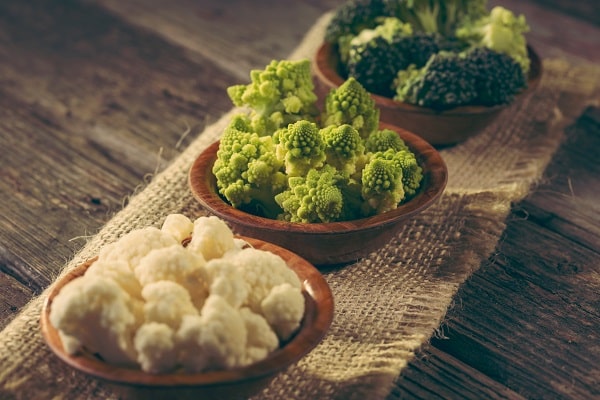
To get the most out of sulforaphane-containing foods, it’s important to prepare and cook them in a way that preserves their nutrients. Here are a few tips for cooking and preparing these foods:
- Steam your vegetables: Steaming is the best way to cook cruciferous vegetables, as it helps to preserve their nutrients. Place steam vegetables in a steamer basket over a pot of boiling water and cover them with a lid. Cook until tender, then season with salt and pepper as desired.
- Stir-fry your vegetables: Stir-frying is another good way to cook vegetables, as it helps to retain their nutrients. To stir-fry, heat a small amount of oil in a pan over medium-high heat. Add your vegetables and stir-fry for a few minutes until they’re tender but still crisp.
- Eat your vegetables raw: Raw vegetables are the best way to preserve their nutrients, but it’s not always practical. If you’re going to eat your vegetables raw, wash them thoroughly and cut them into bite-sized pieces for easy consumption.
Reap The Benefits Of Sulforaphane Today!
Sulforaphane is a compound found in many healthy foods, including cruciferous vegetables, sprouts, and other vegetables. Sulforaphane has many health benefits, including anti-inflammatory, antioxidant, and anti-cancer properties. To get the most out of these foods, it’s important to prepare and cook them in a way that preserves their nutrients. Consider incorporating these sulforaphane-rich foods into your diet to boost nutrition and potential health benefits.