Dairy Alternatives and Plant Milks
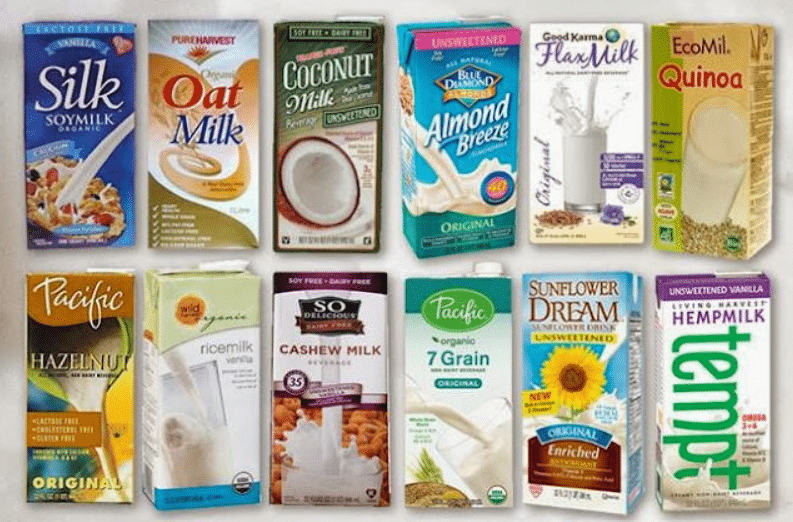
The rise in veganism has led to an increase in dairy alternatives, particularly plant milk. Almond, soy, oat, and rice milk each offer unique nutritional profiles and flavors, catering to different dietary needs and preferences. These milks can be used in everything from morning cereals to creamy soups and sauces.
Vegan cheese and yogurt have also become more accessible, with numerous store-bought options and recipes for homemade versions. Incorporating these alternatives into daily meals allows for the enjoyment of familiar textures and flavors, making the transition to veganism smoother and more enjoyable.
Healthy Fats and Oils
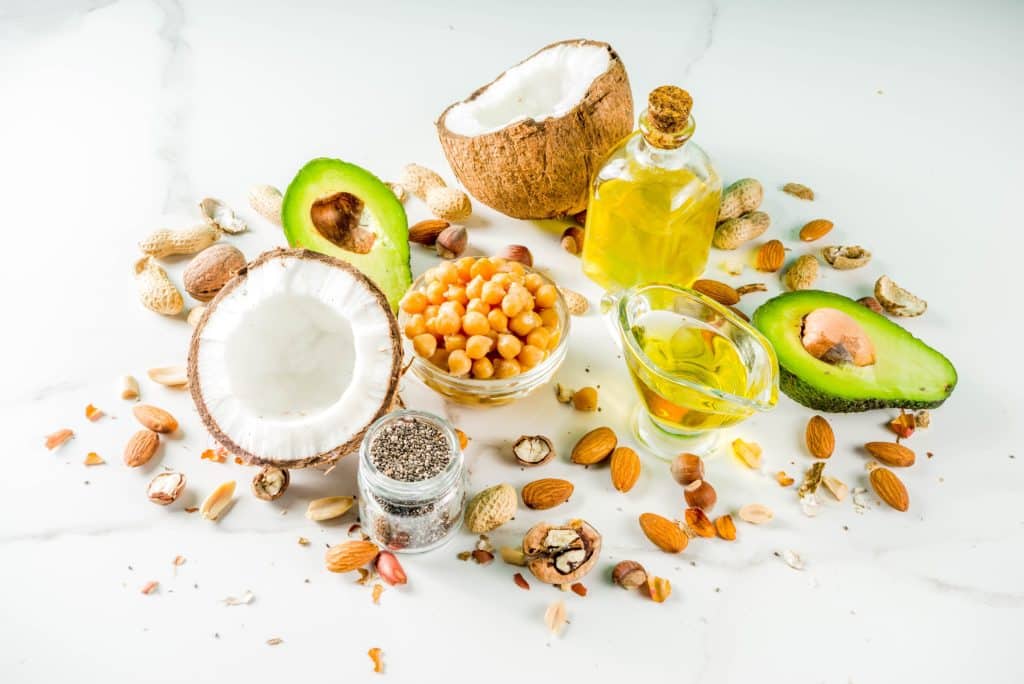
Healthy fats are an essential component of any diet, including vegan. Sources such as avocados, nuts, and seeds provide necessary fatty acids and contribute to satiety and flavor in meals. These can be easily incorporated into salads, smoothies, and baked goods.
Choosing the right cooking oils, like olive or coconut oil, is also important for a vegan diet. Each oil has its health benefits and ideal cooking temperatures, making it suitable for different culinary uses. Balancing fat intake is crucial for optimal health, particularly in a diet devoid of animal fats.
Snacks and Convenience Foods
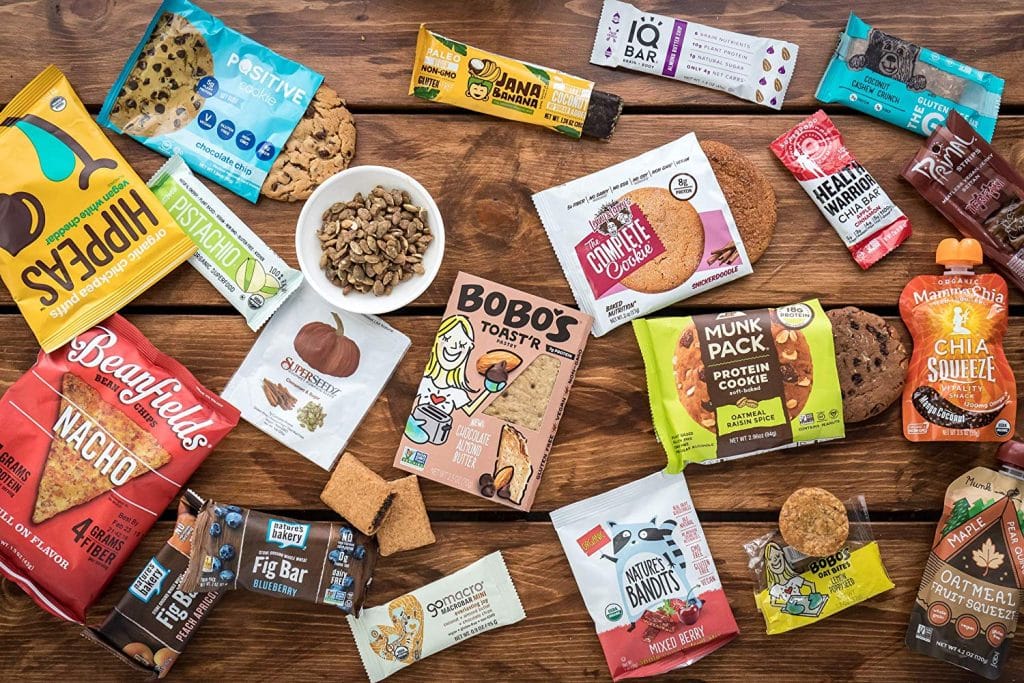
Healthy snacking is an important aspect of maintaining a balanced vegan diet. Options like fresh fruits, nuts, and homemade energy bars provide quick nutrition and are perfect for on-the-go lifestyles. These snacks are healthy and offer a variety in taste and texture, keeping the diet interesting and satisfying.
Reading labels becomes a crucial skill when selecting vegan convenience foods. Many packaged foods contain hidden non-vegan ingredients, so vigilance is key. Additionally, numerous vegan convenience foods are available that save time without compromising on health, ideal for busy days or when cooking from scratch is not feasible.
Herbs, Spices, and Flavor Enhancers
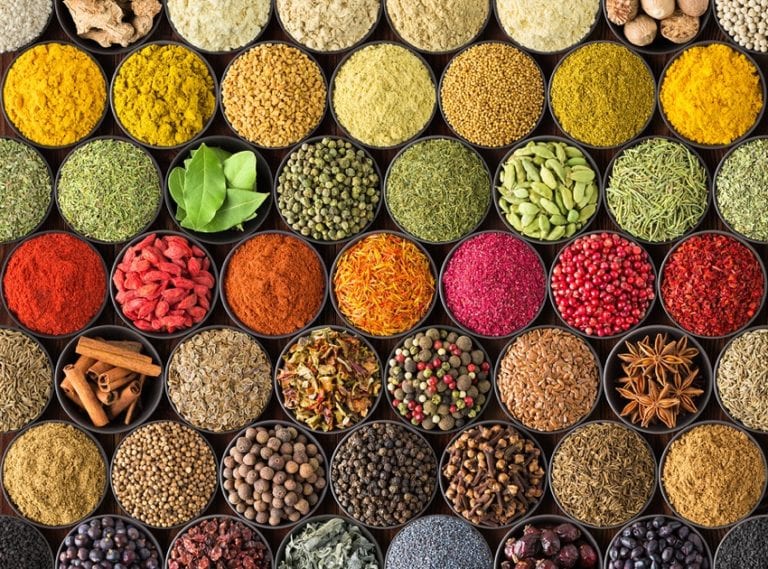
A well-stocked herb and spice cabinet is essential for any vegan kitchen. These flavor enhancers are key to creating satisfying and diverse dishes. From the warmth of cinnamon to the brightness of fresh basil, herbs, and spices can transform simple ingredients into delectable meals.
Natural sweeteners like maple syrup, agave, and dates offer vegan alternatives to refined sugars, adding sweetness to dishes without the need for animal products. Experimenting with these can elevate desserts and sweet treats, providing healthier options that are just as indulgent.
Planning and Budgeting for Your Vegan Grocery Shopping

Effective meal planning is a cornerstone of successful vegan grocery shopping. It not only ensures a well-rounded diet but also helps in managing food expenses. Planning meals allows for targeted shopping, reducing impulse purchases and food waste.
Budgeting is another crucial aspect, especially considering some vegan products can be pricey. Tips like buying in bulk, choosing seasonal produce, and comparing prices can help make veganism more affordable. Additionally, adopting eco-friendly shopping practices like reducing packaging and waste aligns with the environmental ethos of veganism.
The Bottom Line
Creating the perfect vegan grocery list is more than choosing plant-based foods. It involves understanding nutrition, making smart shopping choices, and finding joy in vegan foods’ variety and flavors. This guide provides the foundation for crafting a grocery list that is nutritious, satisfying, and kind to the planet and animals. Embracing veganism can be a delightful journey of discovery, full of delicious foods and innovative recipes that nourish the body and soul.