

Customizing Non-Vegan Dishes
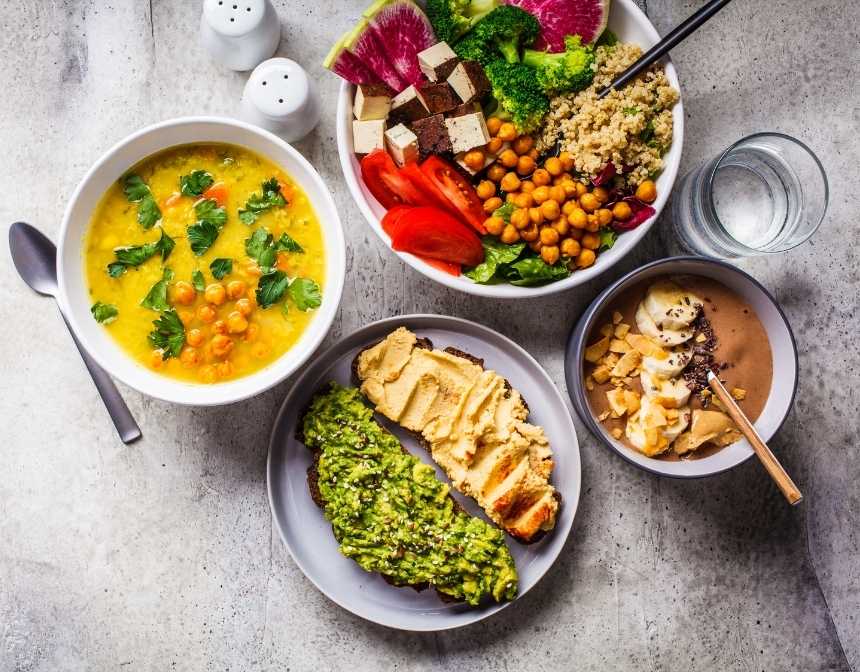
Often, the key to a satisfying meal at a restaurant that isn’t exclusively vegan lies in creatively customizing non-vegan dishes. Many menus feature items that can easily be modified to fit vegan requirements. Ingredients like cheese, meat, and cream-based sauces can typically be omitted or substituted with plant-based alternatives. Additionally, adding extra vegetables or plant-based proteins can transform a basic salad or side dish into a hearty meal.
Understanding the basic composition of dishes allows for more effective customization. For instance, a pasta dish can be veganized by requesting olive oil or tomato-based sauces instead of cream-based ones and excluding any cheese or meat. This approach requires a bit of imagination and a willingness to experiment, but it often results in discovering delightful new meal options that may not have been initially apparent.
Dealing With Limited Choices
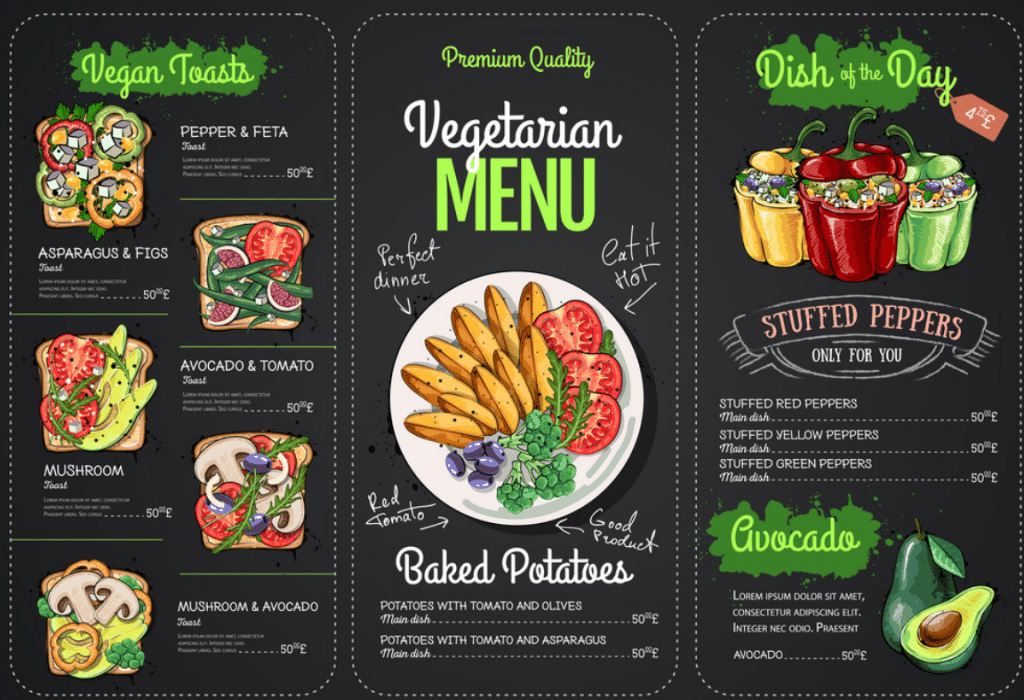
Restaurants with limited vegan options present a unique challenge. In such scenarios, focusing on the sides, salads, and appetizers sections of the menu often yields surprising meal possibilities. Many side dishes are inherently vegan or can be easily modified. For example, a combination of a side salad, steamed vegetables, and a baked potato can constitute a fulfilling meal.
Another strategy is to inquire about the possibility of combining several side dishes or appetizers to create a custom vegan platter. This approach not only provides a satisfying meal but also demonstrates to the restaurant the demand for vegan options, possibly influencing future menu choices. In such dining situations, patience and creativity go a long way in ensuring an enjoyable meal.
Ethnic Restaurants And Vegan Options
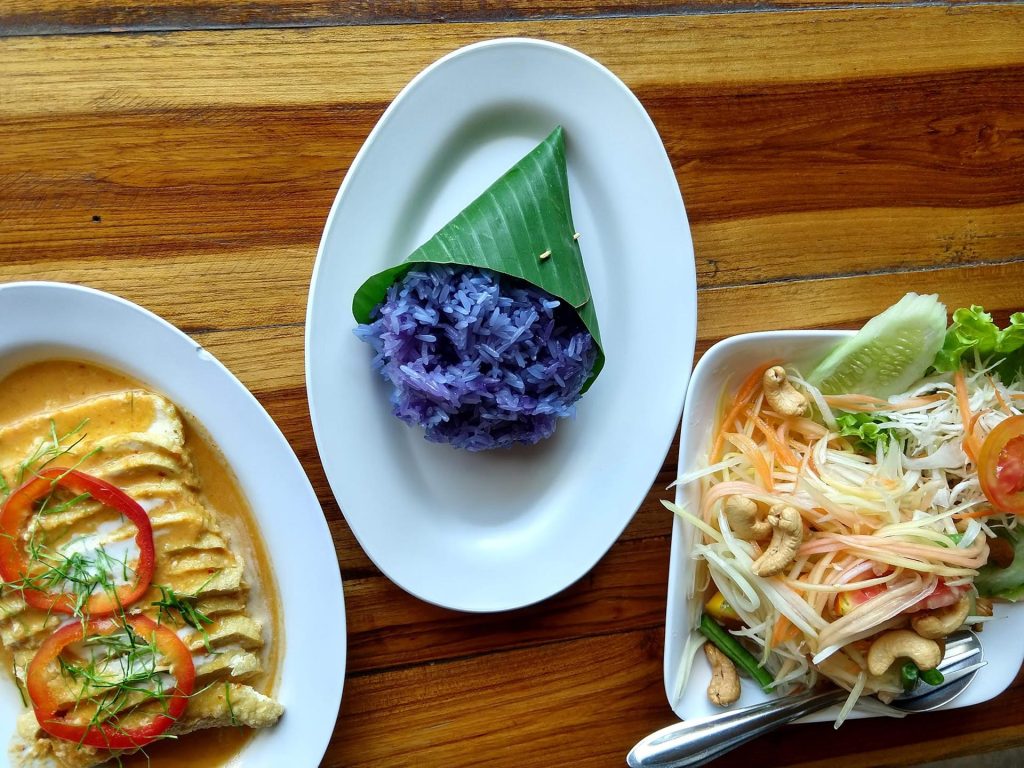
Ethnic cuisines often offer a plethora of vegan options, making them a great choice for vegans. For example, Indian cuisine features a wide array of vegan dishes, such as chana masala (chickpea curry) and aloo gobi (potato and cauliflower dish). Similarly, Thai and Mediterranean cuisines are known for their use of fresh vegetables, legumes, and grains, providing a rich selection of vegan dishes.
When dining at ethnic restaurants, it’s still important to inquire about hidden non-vegan ingredients. For instance, some Asian cuisines may use fish sauce as a base in seemingly vegan dishes. Understanding these nuances and asking specific questions about ingredients ensures that the meal adheres to vegan standards while allowing for the exploration of diverse and flavorful dishes from around the world.
Social Dining And Group Outings

Navigating social dining situations, especially with non-vegan companions, requires tact and planning. When involved in selecting the restaurant, suggesting places known to have good vegan options ensures that there will be something for everyone. In group settings, it’s also helpful to communicate dietary preferences beforehand to avoid any last-minute complications.
Enjoying social outings without compromising vegan principles is entirely possible. If the chosen restaurant has limited vegan options, focusing on the social aspect of the outing rather than the food can be a helpful approach. Enjoying the company of friends and family, regardless of the meal, is often the most rewarding part of dining out.
The Bottom Line
The increasing popularity of veganism has made dining out as a vegan more accessible than ever. Restaurants are continually expanding their vegan offerings, and with a little research, communication, and creativity, finding delicious vegan meals is increasingly straightforward. Remember, every request for a vegan option is a step towards a more inclusive and diverse culinary world. This guide provides the necessary tools and insights to navigate the dining landscape, ensuring that vegans can enjoy a wide array of culinary experiences without compromise.