The Dangers of Over-Exercising and Its Effect on Hormones

Exercise is essential for good health, but too much of it can have the opposite effect, particularly regarding hormones. Intense or excessive exercise without proper recovery can lead to an overproduction of cortisol, the stress hormone. Chronic high cortisol levels can disrupt the balance of other hormones, such as thyroid and sex hormones, leading to problems like fatigue, weight gain, and even infertility. For women, over-exercising can cause irregular periods or even stop them altogether due to hormonal disruptions.
Additionally, over-exercising can lead to a decrease in other essential hormones, like testosterone, which is vital for maintaining muscle mass, bone density, and energy. When your body is under constant physical stress, it prioritizes dealing with it rather than producing the hormones necessary for overall health. This can leave you feeling drained, sluggish, and unable to recover properly from workouts. Moderation and balance are key to exercise, so giving your body time to rest and recharge is essential.
The Problem with Sugar and Artificial Sweeteners

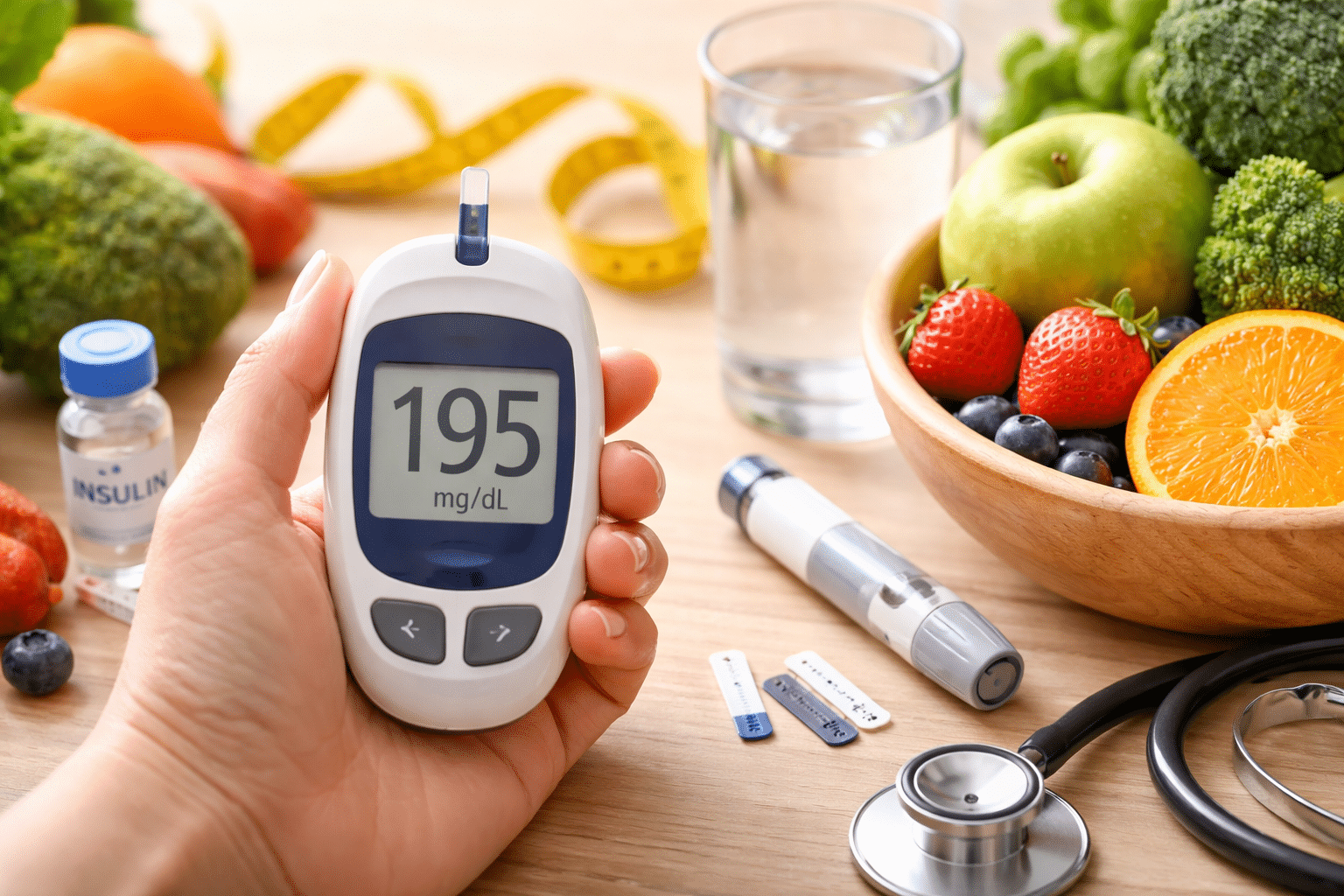
Excessive sugar consumption can wreak havoc on your hormones, particularly insulin, which plays a central role in regulating blood sugar levels. Consuming too much sugar causes a spike in insulin, which, over time, can lead to insulin resistance. This condition disrupts the balance of other hormones, such as cortisol and leptin, which are involved in stress regulation and hunger cues. Constant blood sugar fluctuations can result in irritability, weight gain, and difficulty managing stress, all of which are signs of hormonal imbalance.
Artificial sweeteners, often used in “sugar-free” products, can be equally problematic for your hormones. These sweeteners can trick the brain into releasing insulin, even though they contain no actual sugar. This can disrupt the body’s natural response to blood sugar regulation and affect insulin sensitivity. Furthermore, some studies suggest that certain artificial sweeteners, such as aspartame and sucralose, can interfere with gut bacteria, which plays a role in maintaining hormonal balance. Over time, this disruption can lead to metabolic issues and further hormone imbalances.
How Chronic Stress Affects Your Diet and Hormones

Chronic stress is one of the most significant contributors to hormonal imbalances, increasing cortisol levels. When cortisol is elevated for prolonged periods, it can interfere with other hormones, including thyroid and sex hormones like estrogen and testosterone. This imbalance can lead to weight gain, fatigue, and mood swings. Stress also impacts the body’s ability to process nutrients, further affecting hormone regulation and leading to deficiencies and disruptions in bodily functions.
Additionally, chronic stress often leads to poor eating habits, such as overeating or consuming high-sugar, processed foods as a form of comfort. These types of foods further exacerbate the adverse effects of stress on hormones. For example, stress-induced sugar cravings can elevate insulin levels, while a poor diet contributes to inflammation in the body. This vicious cycle of stress, poor eating, and hormonal imbalance can make it difficult to achieve and maintain a healthy hormonal equilibrium. Stress management is crucial for keeping your hormones in check.