

In recent years, the surge in veganism among athletes has sparked a global conversation about the viability of a plant-based diet in the realm of competitive sports and strength training. This shift challenges traditional beliefs about nutrition and athletic performance, particularly the reliance on animal-based proteins. This article explores the core connections of veganism and athletes, exploring how one can build and maintain strength, endurance, and overall health while adhering to a vegan lifestyle. It aims to demystify the nutritional science, highlight successful athlete stories, and provide practical advice for those considering or already following a plant-based diet.
The Evolution of Vegan Athletes

The journey of veganism in the athletic world has been transformative. Initially met with skepticism, the diet has gained momentum, backed by scientific research and successful athlete endorsements. Early adopters were often questioned about their dietary choices, but their sustained performance and health benefits began to turn heads. Today, a growing number of elite athletes credit their plant-based diets for improved recovery times, better health markers, and enhanced performance. This shift is not just a trend but a testament to the evolving understanding of nutrition in sports.
The narrative of vegan athletes is rich with examples of triumph and resilience. From endurance runners to professional bodybuilders, athletes across various disciplines are proving that a plant-based diet can fuel high-level performance. Their achievements have not only inspired a new generation of athletes but also prompted sports nutritionists to reevaluate dietary guidelines. These stories are pivotal in understanding how veganism is reshaping the landscape of sports nutrition and athlete health.
Nutritional Foundations of a Vegan Athlete

Athletes require a well-balanced diet rich in essential nutrients to perform at their best. Protein, carbohydrates, fats, vitamins, and minerals play crucial roles in energy production, muscle repair, and overall health. A common misconception is that these nutrients are not sufficiently available in a vegan diet. However, with careful planning and knowledge, athletes can meet all their nutritional needs through plant-based sources, often with added health benefits like improved heart health and reduced inflammation.
The key to a successful vegan athlete’s diet lies in diversity and balance. Incorporating a wide range of fruits, vegetables, whole grains, legumes, nuts, and seeds ensures a comprehensive intake of all necessary nutrients. Attention to specific needs such as protein intake and micronutrient levels is crucial, especially in high-demand sports. By understanding the nutritional content of plant-based foods and tailoring their diet accordingly, vegan athletes can achieve optimal health and performance.
Protein: The Building Block
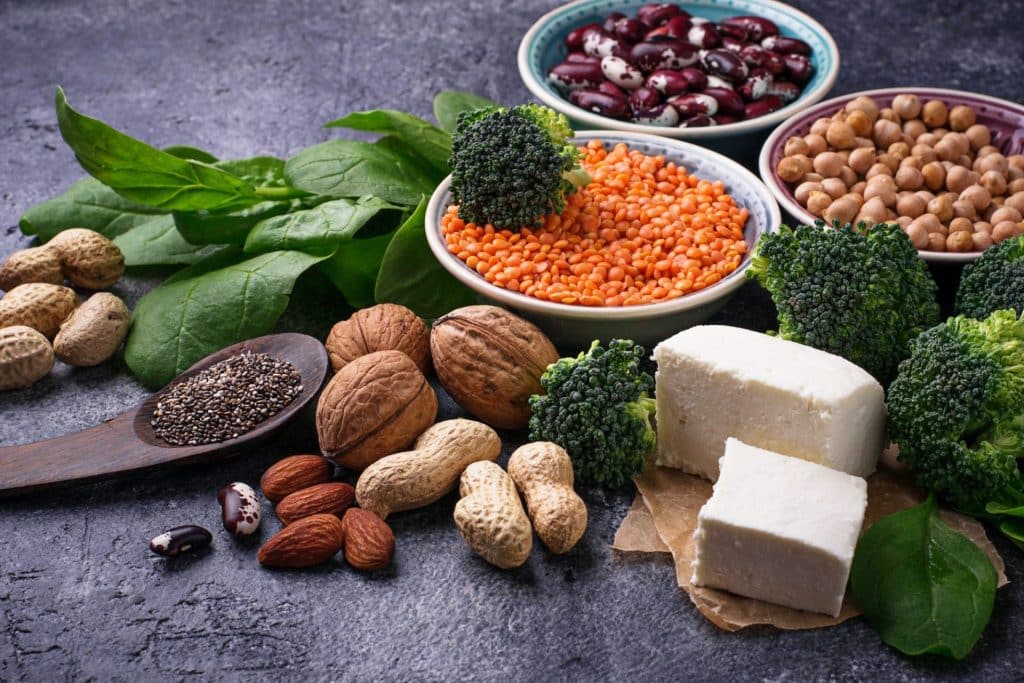
Protein is often the center of discussions surrounding vegan athletes. The myth that plant-based diets lack sufficient protein is persistent but unfounded. In reality, numerous plant sources, such as lentils, chickpeas, tofu, quinoa, and various seeds, offer ample protein. These sources are rich in protein and provide a broad spectrum of other nutrients beneficial for athletes.
The effectiveness of plant-based proteins matches that of animal proteins when consumed in adequate amounts and variety. The key is to ensure a mix of different protein sources to cover all essential amino acids, the building blocks of protein. Studies have shown that with proper planning, vegan athletes can meet or even exceed their protein requirements, supporting muscle repair and growth, which are vital for strength and endurance.
Carbohydrates and Fats: Fueling Performance

Carbohydrates are the primary energy source for athletes, and a vegan diet is naturally rich in high-quality carbohydrates. Foods like fruits, vegetables, whole grains, and legumes not only provide energy but also essential nutrients and fiber. These complex carbohydrates ensure a steady energy supply, which is crucial for endurance athletes and those engaged in high-intensity training.
Fats, often misunderstood in the context of athletic performance, are essential for long-term energy, hormone production, and nutrient absorption. Plant-based diets offer healthy fats from sources like avocados, nuts, seeds, and olive oil. These fats are heart-healthy and provide sustained energy, which is especially beneficial for endurance sports. Balancing carbohydrates and fats in a vegan diet ensures that athletes have the energy they need for both immediate performance and long-term health.