
Green Tea
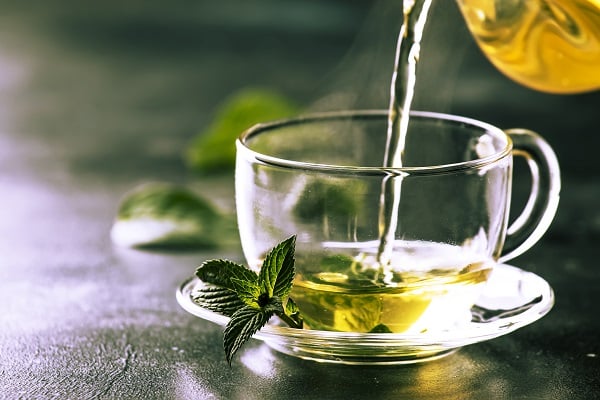
Green tea contains L-theanine, an amino acid that affects mental alertness through its ability to increase alpha brain wave activity – the type associated with a waking but relaxed state. Theanine also enhances dopamine release – a neurotransmitter that helps elevate your mood and desire for pleasure. In terms of nutrition, green tea provides an excellent vegan source of catechins – potent antioxidants which protect cells from damage caused by free radicals. Studies have shown green tea extract to be as effective as Prozac in helping to relieve symptoms of anxiety and depression.
Sweet Potatoes
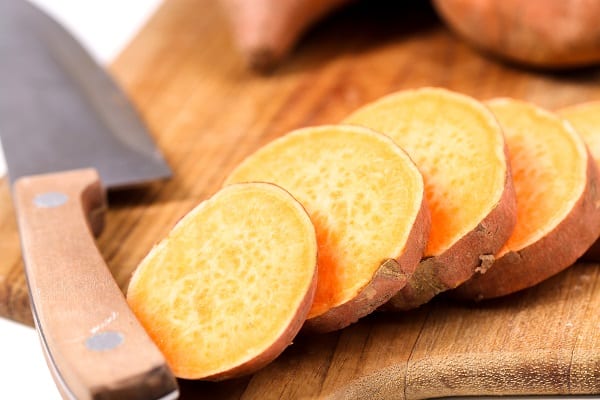
Sweet potatoes are a great source of complex carbohydrates, which your body uses as fuel. This is good for mental health because glucose enhances the production and function of serotonin – a neurotransmitter that affects mood and behavior. It also means you have the energy to get through the day without feeling tired or sluggish – so it’s vital for alleviating feelings of lethargy often associated with depression. Sweet potatoes contain high levels of vitamin B6 too, which helps regulate mood hormones like serotonin and dopamine. Studies show that people deficient in vitamin B6 are more likely to suffer from clinical depression than those who aren’t. Additionally, sweet potatoes are rich in magnesium, an essential mineral needed for healthy nerve signaling and strong bones and teeth.
Almonds
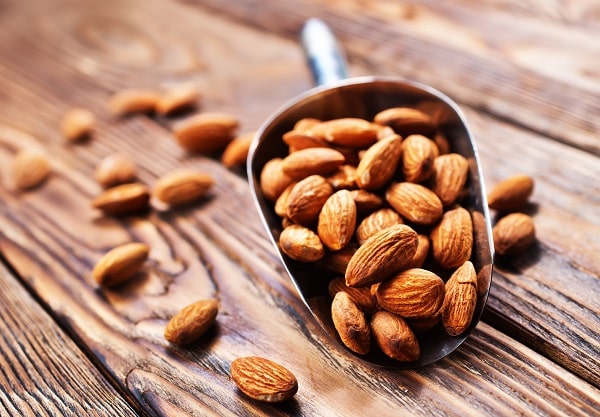
Almonds are full of Vitamin E, a powerful antioxidant protecting the cells from damage. Vitamin E is also essential for brain function and a healthy nervous system. Studies have shown it to be effective in treating depression – so much so that some healthcare providers recommend it as a treatment for major depressive disorder. Almonds are also rich in magnesium – another nutrient essential for good mental health. Research shows that low magnesium levels can contribute not only to depression but also to other serious conditions such as anxiety disorders and diabetes.
Pineapple
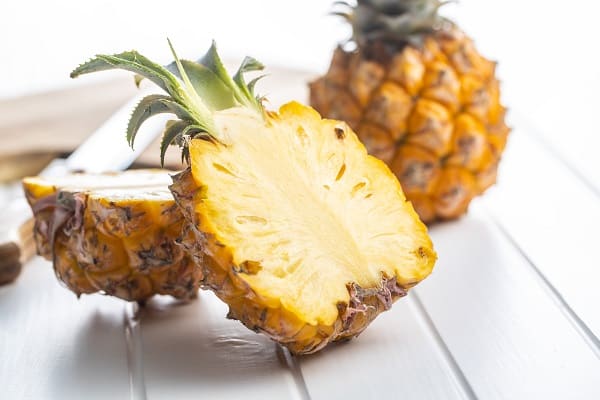
Pineapple is full of the enzyme bromelain, which has anti-inflammatory properties. Bromelain can help reduce symptoms of depression and anxiety by relieving stress on the body’s immune system. Bromelain also helps break down proteins, so they are easier for our bodies to absorb – further helping you fight inflammation. Pineapples are high in vitamin C, another powerful antioxidant that protects cells from damage caused by free radicals. Vitamin C is also essential for a healthy nervous system, brain function, and mood regulation.
Broccoli
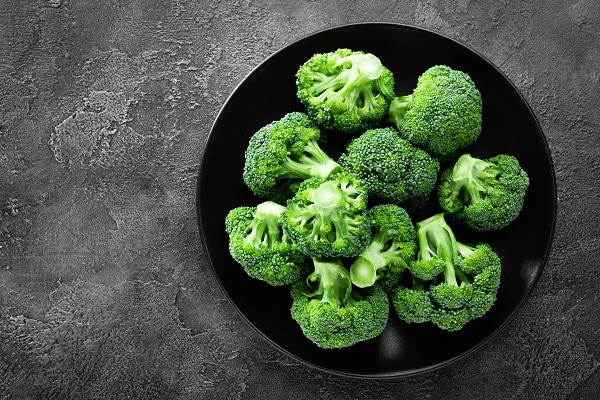
Broccoli is an excellent source of several vitamins and minerals that fight depression. It has tons of antioxidants (including beta-carotene), vitamin C, magnesium, potassium, and calcium. Broccoli is also high in lutein and zeaxanthin – two compounds that protect against age-related degeneration of the eyes – and sulforaphane – which helps improve mental wellbeing by activating a particular type of antioxidant in the body that protects against cellular damage.
Conclusion
If you’re looking to reduce your risk of depression, consider switching to a vegan diet! Vegan foods are high in antioxidants and B vitamins that can help boost moods. Additionally, many vegan food options contain Omega-3 fatty acids, which protect the body from damage caused by free radicals. Always make sure to talk to your doctor before adding more vegan food options to your diet.