

How To Identify Trans Fats On Food Labels

Identifying trans fats on food labels can be a complex task. Though some countries require trans fats to be listed on nutritional labels, loopholes may still allow small amounts to go unmentioned. Terms like “partially hydrogenated oils” are synonymous with trans fats and should be red flags when reading ingredients. Recognizing these terms and understanding serving sizes are crucial in avoiding hidden trans fats.
With increased awareness of trans fats’ negative health impacts, some manufacturers voluntarily label their products as “trans-fat-free.” However, regulations may still permit small amounts per serving. Educated consumers must look beyond the front packaging and study ingredient lists to make truly informed choices. Tools like mobile apps and online resources can aid in identifying products that are genuinely free from trans fats, promoting healthier eating habits.
Alternatives To Trans Fats

In the quest to reduce trans fat consumption, numerous healthier alternatives have emerged. Unsaturated fats like olive oil, avocado oil, and canola oil offer benefits for heart health and can be used in cooking and baking. Even butter, a saturated fat, is considered by many experts to be a healthier alternative to trans fats. Switching to these options can significantly reduce the risks associated with trans fats.
Manufacturers, too, are exploring alternatives in response to consumer demand and regulatory pressure. New processes and ingredients are being developed to maintain the taste and texture that trans fats once provided without the associated health risks. These innovations are not only important for individual health but represent a broader shift towards responsible food production and consumption.
Current Regulations And Guidelines

Global perspectives on trans fats vary, and regulations have evolved to reflect growing health concerns. In some countries, strict limitations or even bans have been implemented on trans fats in processed foods. Other regions have focused on labeling requirements and public awareness campaigns. These regulations are part of a larger movement toward transparency and accountability in the food industry.
Despite these advances, inconsistencies and gaps remain in global regulations. Different countries have different thresholds for what constitutes “trans-fat-free,” leading to confusion and challenges for consumers. The ever-changing landscape of food regulation requires continued vigilance from governments, industry stakeholders, and consumers alike. The future of trans fats is likely to be shaped by a combination of scientific research, public opinion, and legislative action, making it a dynamic and continually evolving subject.
Myths And Misconceptions
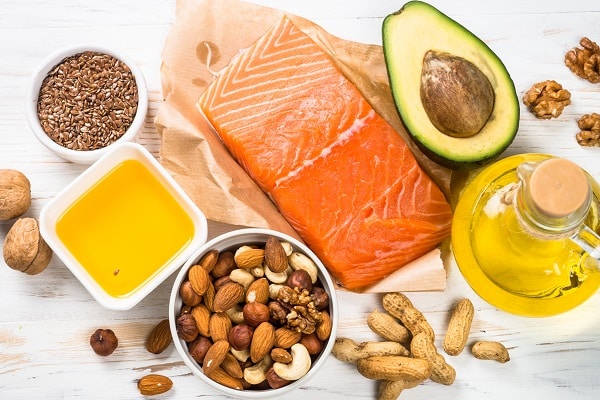
Trans fats are shrouded in myths and misconceptions that can complicate the understanding of their impact on health. One common myth is that all fats are harmful and should be avoided. While trans fats are indeed associated with health risks, not all fats have the same effect. Healthy fats are essential for many bodily functions, including energy production and nutrient absorption.
Another misconception is that any food labeled “trans-fat-free” is indeed free from trans fats. In reality, labeling regulations might allow small amounts of trans fats per serving to be present without being disclosed. Other myths include the belief that trans fats are only found in junk food, ignoring their presence in various processed foods. Dispelling these myths is vital for informed and healthy dietary choices.
Personal Choices And Responsibility

In a world filled with mixed messages and ever-changing dietary advice, personal responsibility plays a crucial role in managing trans fat consumption. Awareness of what trans fats are, where they are found, and how to avoid them empowers individuals to make healthier choices. These choices extend beyond personal health and can influence the decisions of family and community members.
Educated consumers can also drive change at a broader level. By demanding more transparent labeling and healthier alternatives, individuals can push manufacturers and regulators toward a more responsible approach to food production. The relationship between personal choices and broader societal health is symbiotic, emphasizing the importance of individual actions in shaping a healthier future.
Know The Truth About Trans Fats!
Trans fats, once embraced for their practical benefits, are now viewed with skepticism and concern due to their adverse health impacts. This exploration has unraveled their complex history, clarified misconceptions, and provided guidance on how to navigate the modern food landscape. The truth about trans fats is a multifaceted story of science, industry, and personal responsibility. It is a tale that underscores the importance of continued education, awareness, and vigilant decision-making in your journey toward healthier living.