
Vitamin K holds significant importance in the overall health spectrum. It aids in blood clotting and maintains bone health. While meat and dairy products are common sources of Vitamin K, many vegans might need help to meet their daily recommended intake. However, an array of plant-based foods is rich in this nutrient. This article explores eight such vegan-friendly foods that serve as excellent sources of Vitamin K. Keep reading to learn more!
Kale
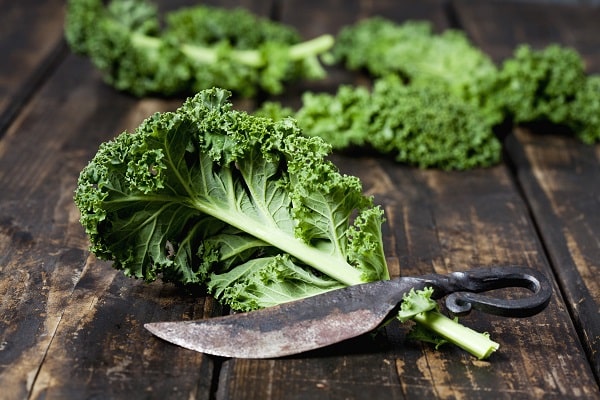
Kale has an impressive nutrient profile, high in vitamins, minerals, and antioxidants. Of particular note is its Vitamin K content. Just one cup of raw kale provides nearly seven times the daily recommended intake for Vitamin K. This leafy green’s high nutrient density makes it an exceptional addition to any diet, vegan or otherwise.
Including kale in a daily diet can be accomplished in numerous ways. Consider adding it to salads, smoothies, or stir-fries. For a more unique option, kale can be baked into chips for a nutritious, crispy snack. Regardless of preparation, kale remains a reliable and versatile source of Vitamin K.
Natto
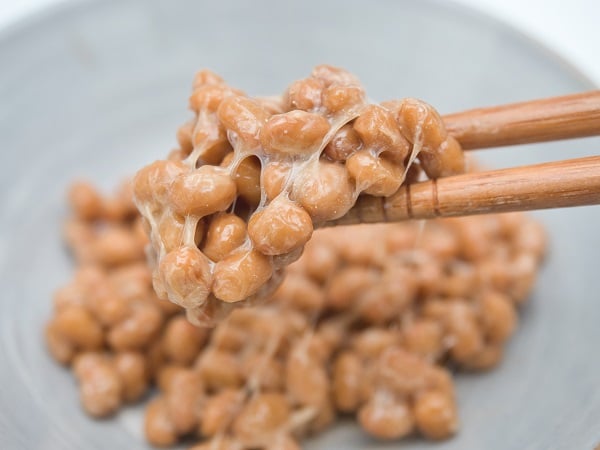
Natto, a traditional Japanese food made from fermented soybeans, is often lauded for its high Vitamin K content. This food is not just rich in Vitamin K1 – found in many plants – but also K2, which is typically found in animal products and fermented foods. The significant amount of both forms of Vitamin K makes natto an essential food for those following a vegan diet.
Despite its strong smell and taste, which might seem unusual to some, there are plenty of ways to incorporate natto into meals. It can be mixed into rice, used as a topping for tofu, or included in soups. These serving suggestions not only make natto more palatable but also ensure that vegans can easily boost their intake of Vitamin K.
Broccoli
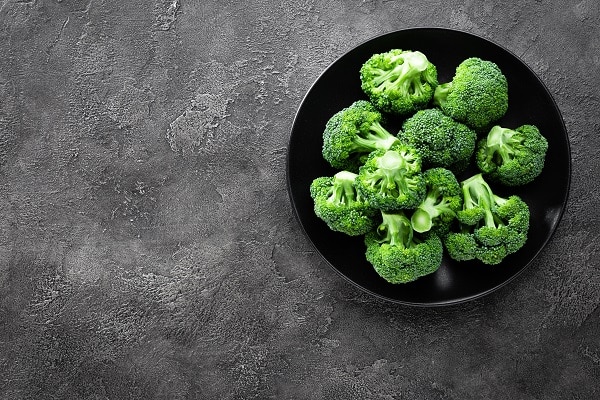
Broccoli stands as a nutritional powerhouse among vegetables, renowned for its dense vitamin and mineral content. Its Vitamin K content is particularly notable, with a single cup of cooked broccoli providing more than a full day’s requirement. Additionally, this cruciferous vegetable contains other essential nutrients, such as Vitamin C, fiber, and antioxidants, offering a well-rounded health boost.
There’s an abundance of ways to incorporate broccoli into any vegan meal. It can be steamed, sautéed, or roasted and used as a side dish or added to stir-fries, curries, or salads. Not to forget, it can also be blitzed into a healthy, creamy soup. Broccoli’s versatility and high nutrient profile certainly make it an excellent choice for those seeking to up their Vitamin K intake.
Brussels Sprouts
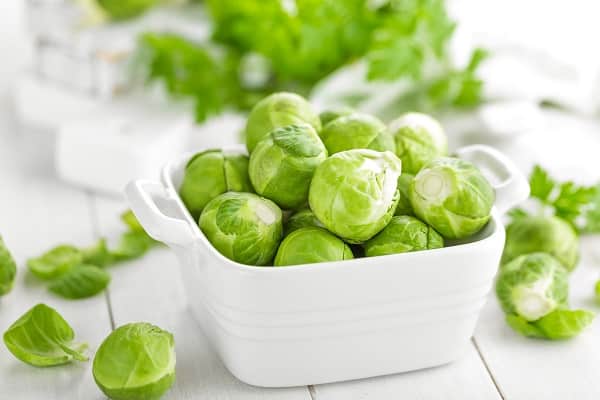
Often underestimated, Brussels sprouts are packed with Vitamin K. Just half a cup of cooked Brussels sprouts contributes a substantial amount towards the daily Vitamin K recommendation. Apart from being a rich Vitamin K source, these mini cabbages also offer an array of other nutrients like Vitamin C, fiber, and antioxidants.
Enjoying Brussels sprouts in a vegan meal can be simple and delightful. They can be roasted with a drizzle of olive oil and a sprinkle of herbs until they’re caramelized and tender, which brings out their inherent sweetness. Alternatively, they can be shredded and added to salads or stir-fries. Regardless of the method, Brussels sprouts offer a tasty and efficient means of increasing Vitamin K intake.