Eating Out and Social Events

Eating out presents unique challenges for portion control. Restaurant servings are often much larger than standard serving sizes. One effective strategy is to divide the meal in half from the start, setting aside or boxing up the other half for another meal. This prevents overeating and extends the enjoyment of the meal to another time.
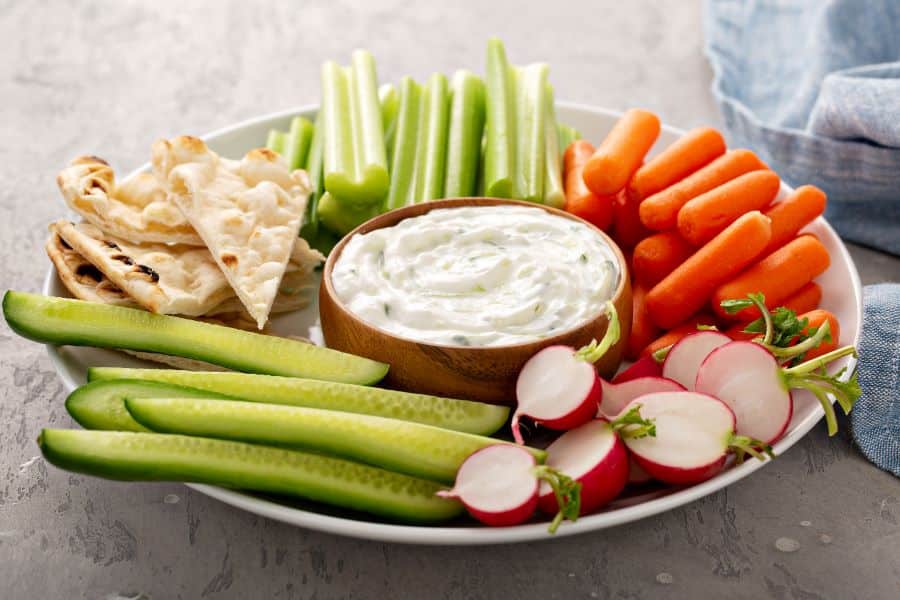
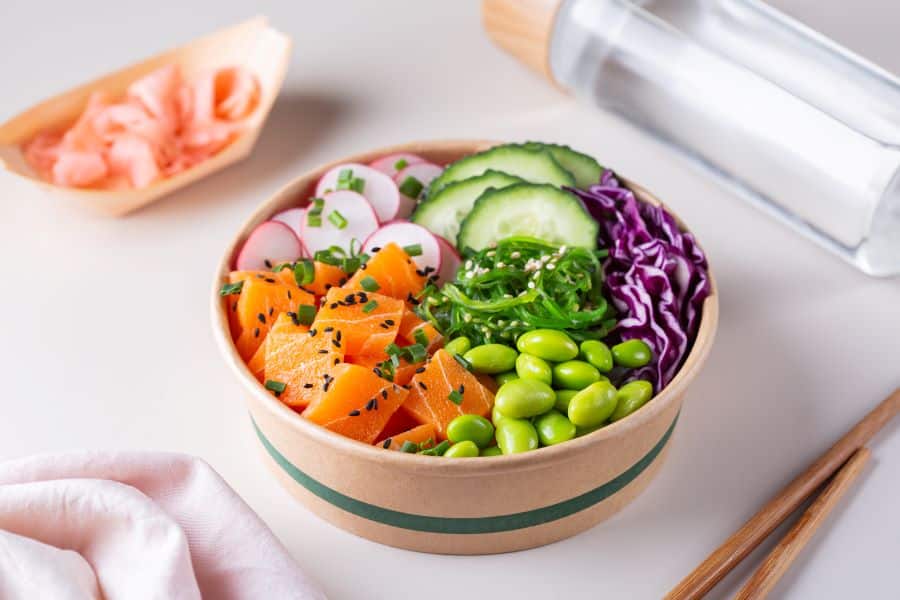
Social events can also disrupt portion control efforts. Buffets and parties offer many choices, making it easy to overindulge. Focusing on filling half of the plate with vegetables, a quarter with lean protein, and the remaining quarter with whole grains or other items can help maintain balance. It’s also beneficial to eat a small, healthy snack before attending such events to avoid arriving overly hungry, which can lead to overeating.
Portion Control for Weight Management
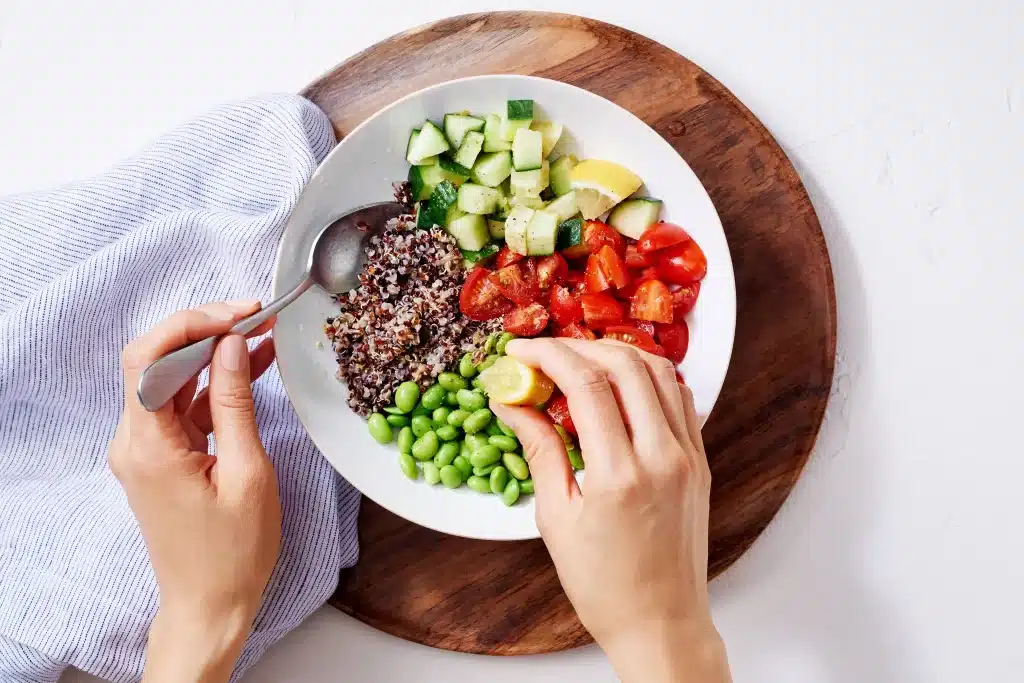
Portion control is a cornerstone of effective weight management. One can create a calorie deficit necessary for weight loss or a balance for weight maintenance by controlling portion sizes. This involves reducing the size of portions and understanding the calorie content of different foods.
Adjusting portion sizes according to weight goals can be tricky but is achievable with consistent effort. For weight loss, it might mean slightly smaller portions than usual, particularly of high-calorie foods, while for weight maintenance, it’s about finding a balance that sustains one’s current weight. Regular physical activity can also aid in creating a calorie balance that supports weight management goals. This holistic approach ensures that portion control is a manageable and sustainable part of a healthy lifestyle.
Challenges and Solutions

Emotional eating is one of the biggest challenges in maintaining portion control, which can lead to overeating. Recognizing emotional triggers and finding healthier coping mechanisms, such as exercise or engaging in hobbies, can help mitigate this. Planning meals and snacks also reduces the likelihood of impulsive, emotion-driven eating.
Busy schedules pose another challenge, often leading to quick, unmeasured meals. Pre-portioning meals and snacks can be an effective solution. Investing time in meal prep each week ensures that portion-controlled meals are readily available, reducing the temptation to opt for oversized, convenience food portions.
Long-Term Strategies for Success

Adopting a long-term mindset is crucial for successful portion control. It’s not about short-term dietary restrictions but developing a sustainable eating pattern. This involves regular self-monitoring, being flexible with one’s diet, and forgiving oneself for occasional lapses.
Continuous education about nutrition and portion sizes is also important. As dietary guidelines and personal health needs evolve, so should one’s understanding and approach to portion control. Engaging with nutrition professionals or reliable health resources can provide ongoing support and information in this journey.
The Role of Technology in Portion Control

Modern technology offers various tools to aid in portion control. Smartphone apps can track food intake, helping to monitor portion sizes and nutritional content. Some apps even allow users to photograph their meals and estimate portion sizes and calories, making it easier to stay accountable.
Digital food scales and smart kitchen gadgets also contribute to precise portion control. These tools remove much guesswork from measuring food, ensuring consistency and accuracy in portion sizes. Embracing these technological aids can streamline the portion control process, especially for those with specific dietary goals.
The Bottom Line
Mastering portion control is an integral part of a balanced, healthy lifestyle. It requires understanding food portions, responding to internal cues, and adjusting eating habits to various life situations. While challenges like emotional eating and busy schedules can hinder efforts, practical solutions like meal prepping and leveraging technology can aid in overcoming these obstacles. Ultimately, portion control is about making mindful, informed choices about food and fostering a sustainable approach to eating that benefits both physical and mental health. By embracing these principles and strategies, individuals can enjoy a varied, satisfying diet while maintaining control over their portions, improving overall well-being.